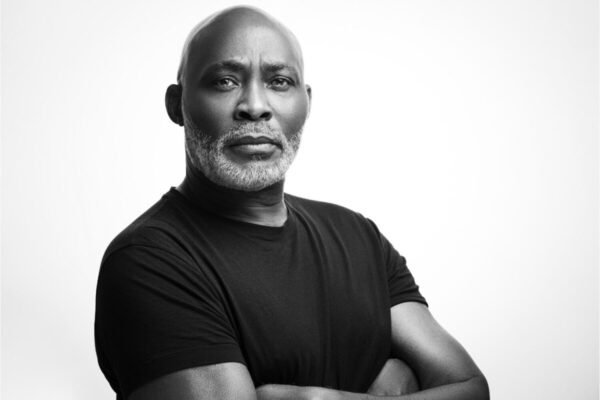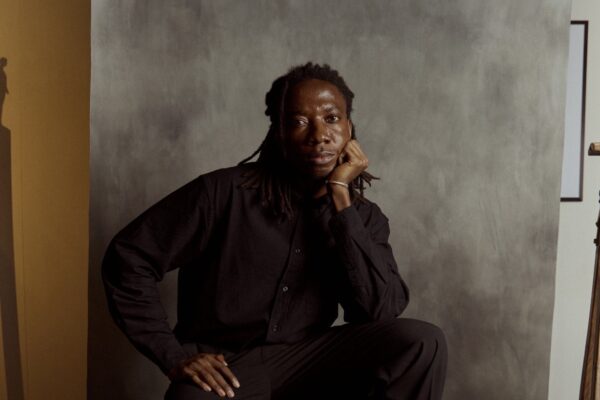
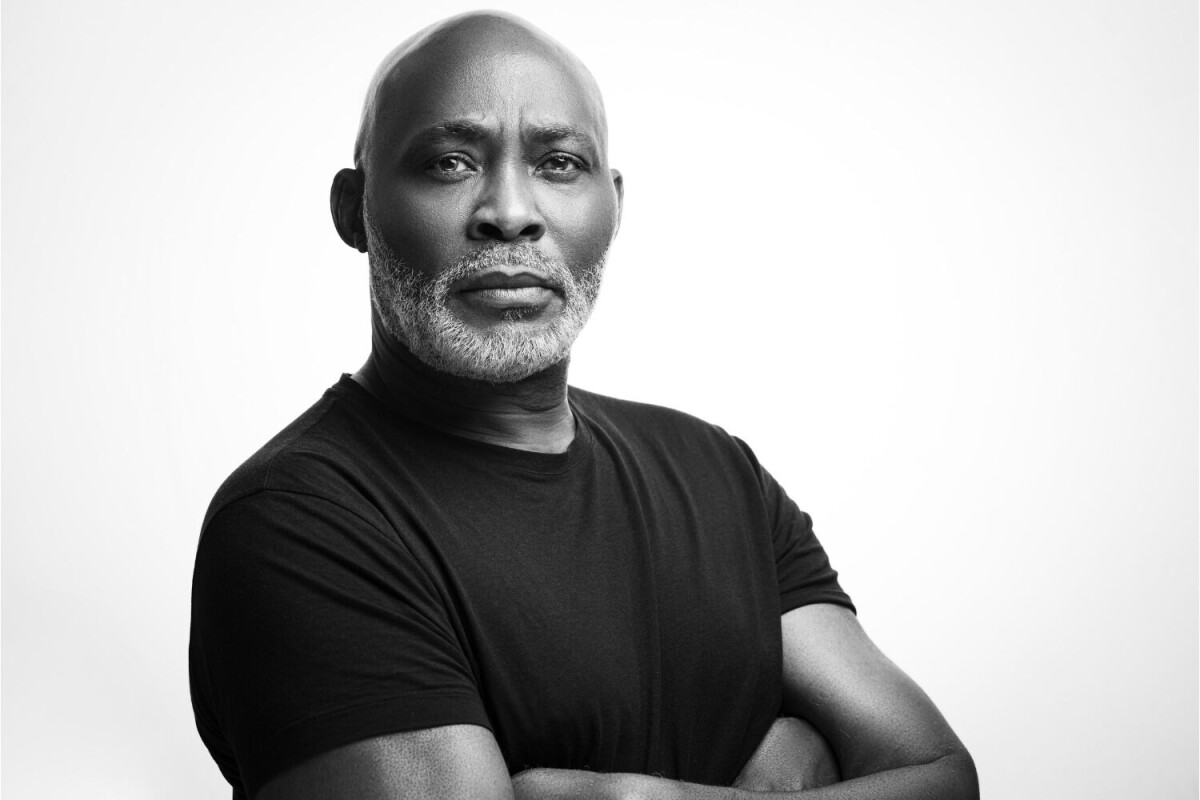
Actor and filmmaker Richard Mofe-Damijo has called for stronger protection for creative professionals’ earnings and intellectual property as artificial intelligence changes how films are made. He spoke at the sixth Peace Anyiam-Osigwe Nigerian Digital Content Regulatory Conference (PAO-NDCRC), held on November 18 and 19, 2026, at the MUSON Centre in Lagos.
According to a statement published by the National Film and Video Censors Board (NFVCB), the conference organiser, Mofe-Damijo, acknowledged that AI has opened new possibilities for filmmaking, including improved production workflows, visual effects, and lower production costs. The conference’s theme was “Film and Content Production in the Digital Era: Balancing Regulation and Innovation.” He warned, however, about the unauthorised replication of actors’ faces and voices, intellectual property violations and threats to creative ownership. He called for stronger safeguards for performers, writers, directors and producers, and for technology that expands human creativity rather than diminishing the value of the people behind it.
RMD urged the industry to look beyond production figures, box-office headlines and social media engagement, and to pay attention to the economics of content creation. Key questions, he said, include who owns the distribution rights, how royalties are tracked, what licensing arrangements actually say, and how creative professionals are compensated. The global popularity of Nigerian films, he argued, must translate into sustainable returns for those who create them. He also called for greater business literacy among filmmakers and a deeper understanding of contracts, intellectual property, licensing and commercial rights so that creators treat their work as the valuable asset it is.
On regulation, he was equally direct. It should provide clarity, inspire confidence and encourage innovation, not create unnecessary restrictions for practitioners.
NFVCB Executive Director and Chief Executive Officer Dr Shaibu Husseini said the rapid growth of streaming platforms, social media and AI had changed how audiovisual content is produced, distributed and consumed, requiring regulators to rethink traditional approaches. He also stressed the need to protect intellectual property, tackle digital piracy and build safeguards around AI, particularly on authorship, consent, ownership and the rights of creative professionals.
Other speakers reinforced that Nollywood’s next stage depends on how well it runs as a business. Femi Odugbemi, founder/CEO of Zuri24 Media, named authenticity as a competitive advantage abroad, alongside strong story development and a clear understanding of the target audience. Ijeoma Onah told filmmakers to understand the market before production and to approach market executives early, using international festivals for exposure and partnerships. Adetutu Laditan pointed creators to advertising, branding, sponsorships and affiliate marketing, and to content that can hold an audience beyond the life of its creator. Sonny Owagboi of Rex Insurance made the case for insuring equipment, drones, vehicles and crew as a basic part of professional production.
Participants also urged filmmakers to use AI as an assistant and a tool to enhance their work, rather than surrender the storytelling process to technology.
Minister of Arts, Culture, Tourism and the Creative Economy, Barr Hannatu Musa Musawa, was represented by Moriam Ajaga, Special Adviser to the President on Arts and Culture in the minister’s office. Goodwill messages came from Mahmood Ali-Balogun, Dr Evelyn Nwosu of the NTA, Netflix public policy representative Ziyanda Buthelezi-Ngcobo, and Raymond Osigwe of the Africa Movie Academy Awards. The conference was organised in honour of the late Peace Anyiam-Osigwe.
The NFVCB closed by insisting that its role is not to stifle creativity but to keep the industry’s growth orderly, responsible and beneficial to practitioners, investors and audiences.
Photo courtesy of Richard Mofe-Damijo, via OkayAfrica.