Some houses become museums. Others become footnotes. And who and what decides what becomes a monument and what does not?
In August 1967, Wọlé Ṣóyínká was arrested following his peace mission to Biafra. A few metres from the busy main gate of Nigeria’s first university, the University of Ibadan, stands a modest bungalow at No. 8 Ebrohimie Road, where the arrest took place; after spending 26 months in detention under the military government, he returned to the same address. In the years that followed, the bungalow became attached to a significant chapter in the life of the writer and playwright, and to a period of Nigeria’s political and intellectual history. Yet, decades later, it remains without proper recognition.
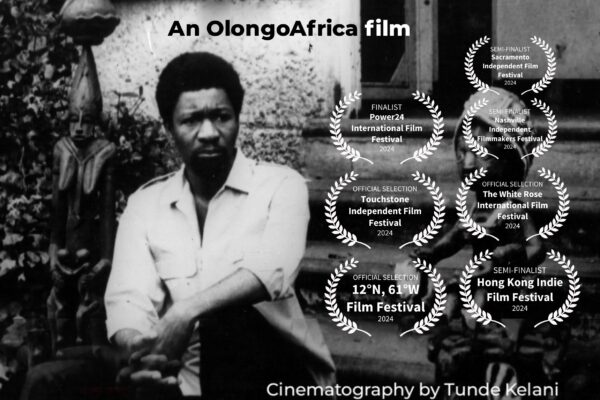
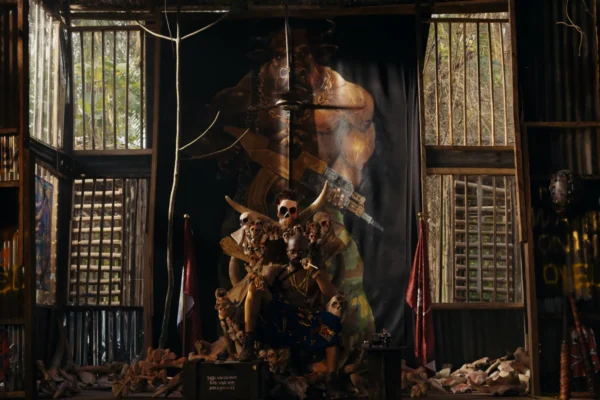
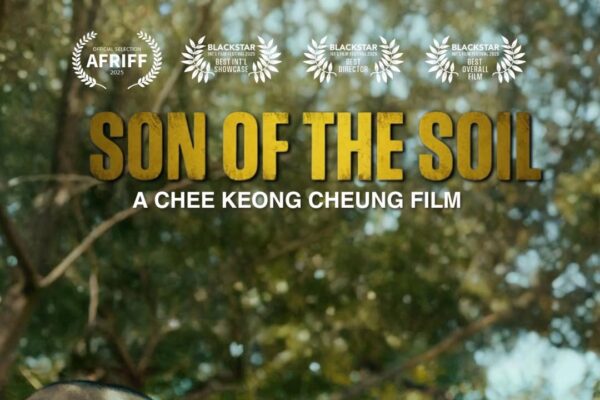
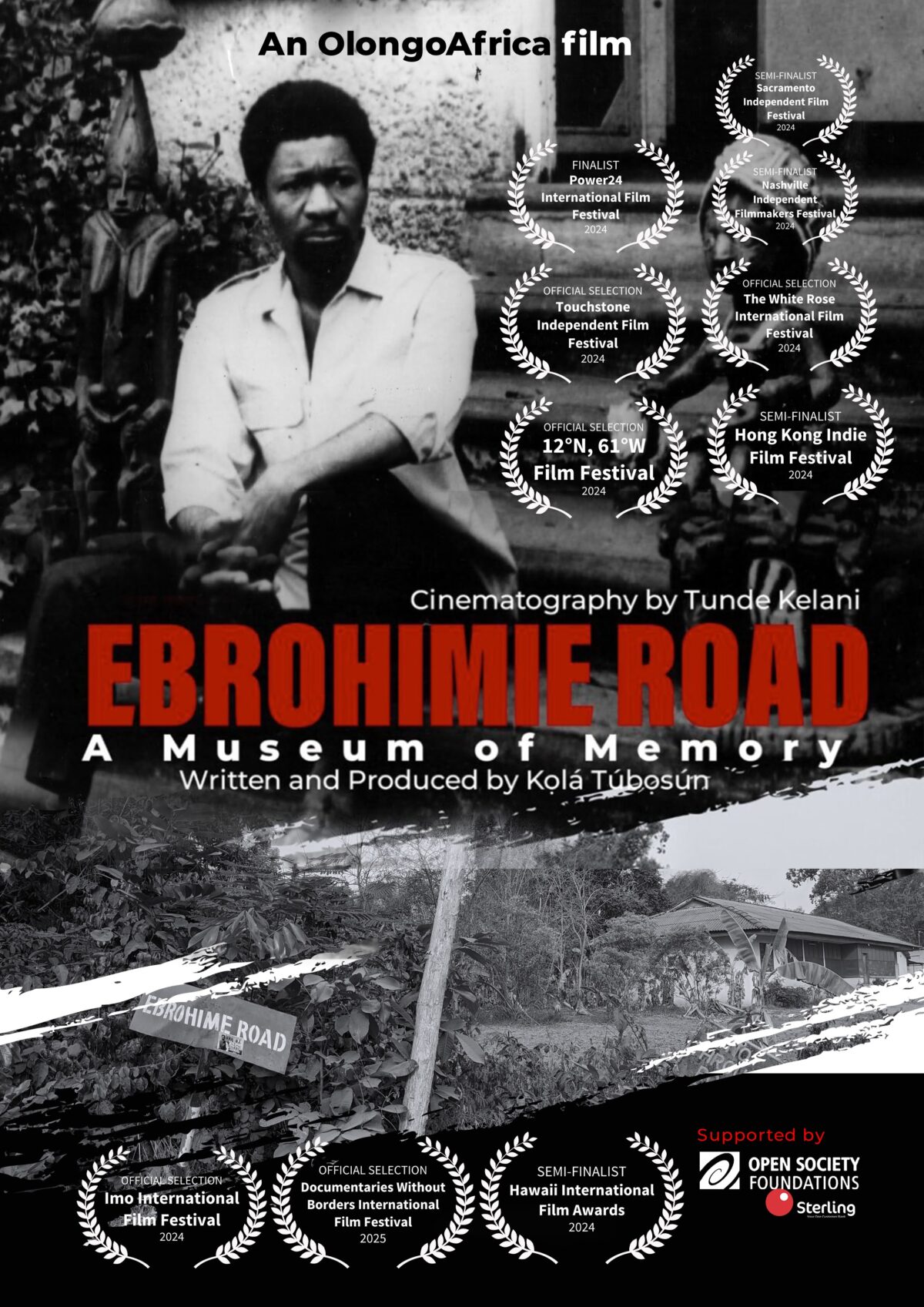
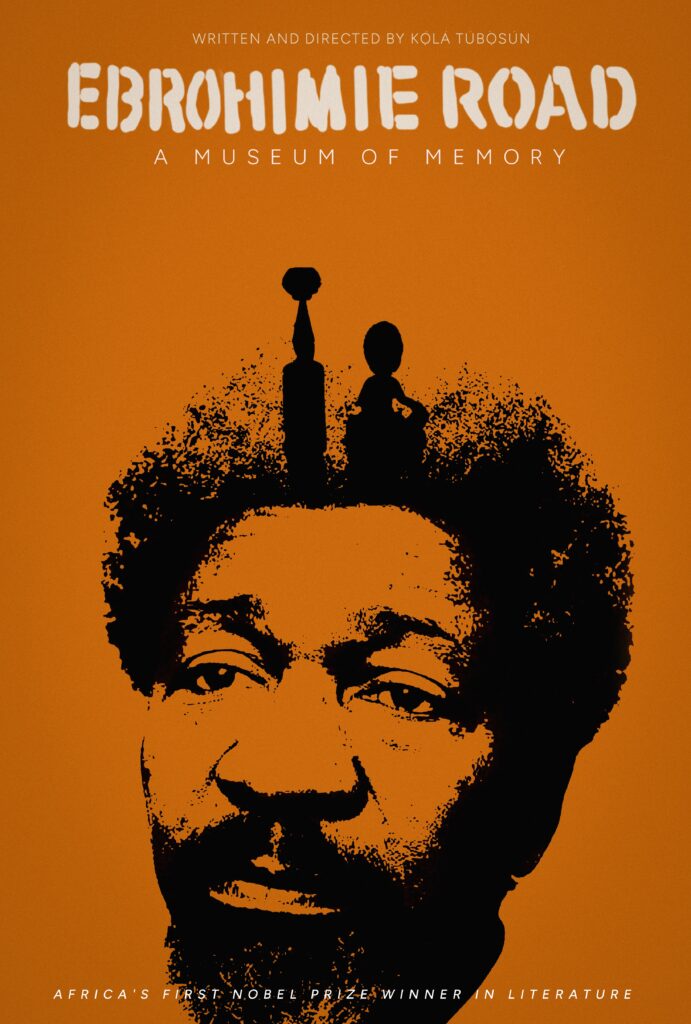
Its story has, however, found another home in Ebrohimie Road: A Museum of Memory, a feature-length documentary by Kọ́lá Túbọ̀sún, which premiered in July 2024 to mark Ṣóyínká’s 90th birthday. According to Túbọ̀sún, the film has since found its way into the collections of universities and institutions worldwide, including Harvard, Stanford and Columbia. But its international reach sits alongside an unresolved question at home: what happens to the physical place behind the memories? The film cannot preserve the bungalow, but it brings together the people, experiences and history that give it meaning, asking what a place can hold long after the people who once inhabited it have moved on.
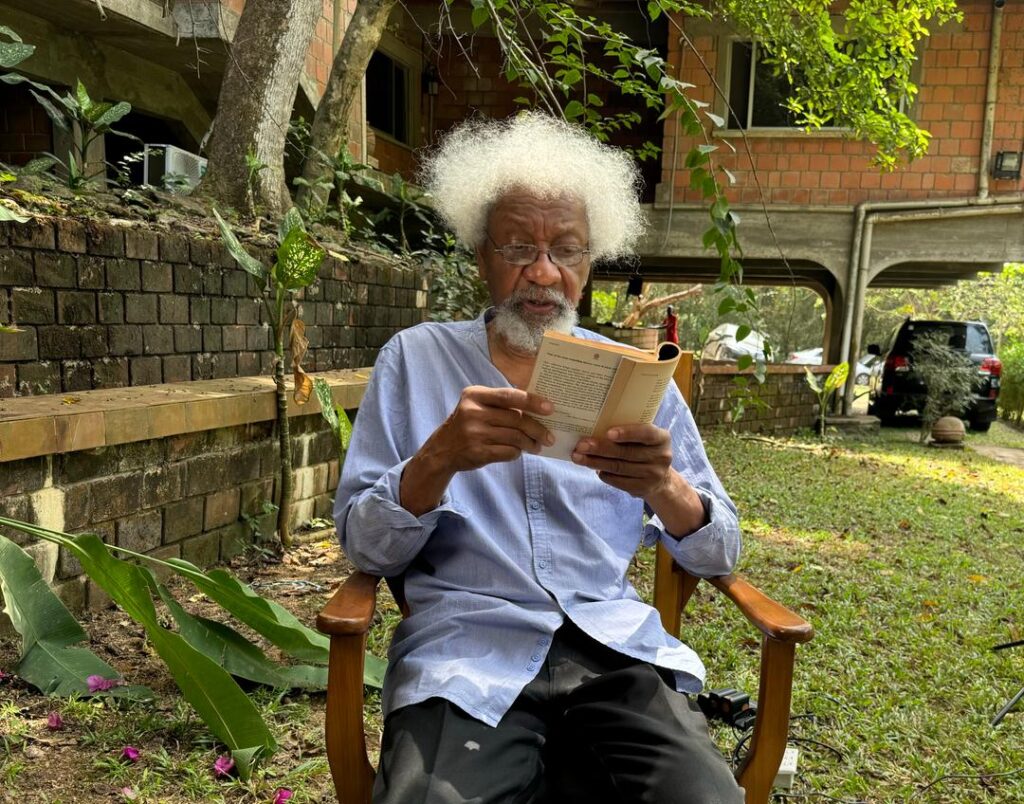
Before the Nobel: The life inside Ebrohimie Road
Inside, the house was less a monument than a family home.
The film lets those who experienced it revisit their memories in their own words. Wole Soyinka recalls how much effort he put into securing the house, “I not only chose it, I campaigned for it. I lobbied for it. I cheated for it. I beat people up for it to make sure I had that particular house, anything it took.” It offered him solitude and room for a creative life. And those who knew it remember a place alive with warmth and creativity.
These people sketch a restless, fearless chapter in the life of the dramatist and poet, years before the Nobel Prize turned him into a monument. It was also a house with a university around it, and the film does not hide the strained relationship between Ṣóyínká and the institution, the University of Ibadan.
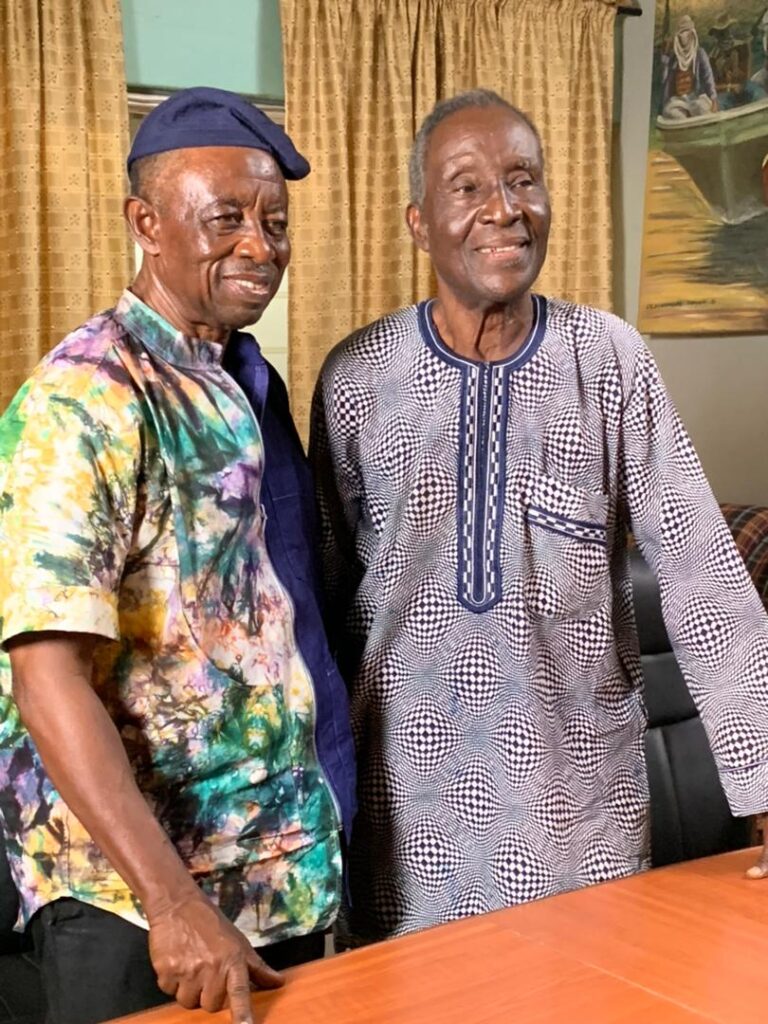
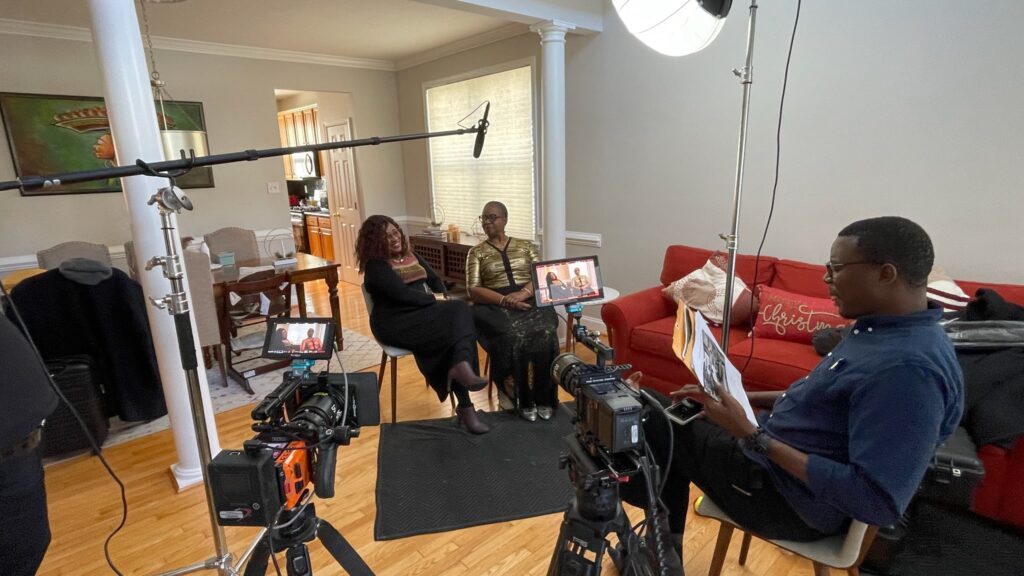
With a runtime of about 100 minutes, the documentary draws on a range of voices to reconstruct the house’s life and history. Ṣóyínká speaks for himself in an interview recorded in February 2024. His daughters, Peyìbòmí and Mọ́remí, and sons, Olaokun and Ilemakin, share family memories alongside his sister, Folabo Ajayi-Ṣóyínká, and former wife, Olayide. Colleagues and students, including Níyì Ọ̀ṣúndáre, Fẹ́mi Ọ̀ṣọ́fisan, Fẹ́mi Euba, Dan Izevbaye, and Remi Raji, also contribute, alongside other witnesses such as Joop Berkhout and his neighbours.
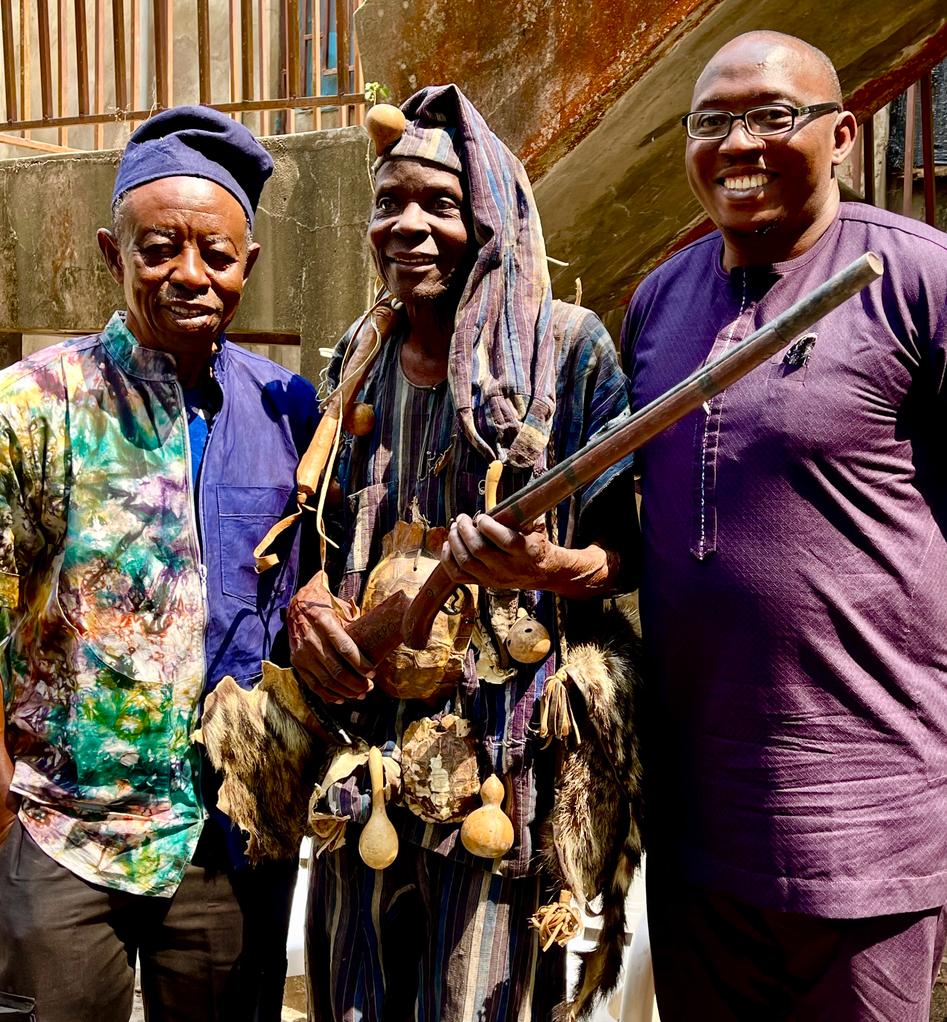
The interviews were recorded across Ibadan, Abẹ́òkuta, Kansas, Louisiana, and Maryland, and were complemented by archival footage, photographs and newspaper clippings. Together, these materials move the story beyond individual recollections, bringing into view the different experiences and historical circumstances that shaped the house. The film begins with Ṣóyínká’s arrest following his peace mission to Biafra, then traces the events surrounding his detention and eventual return to Ebrohimie Road after 26 months. This is one of the most interesting things about the house; a place that had held his family and creative life also became associated with his confrontation with the military government.
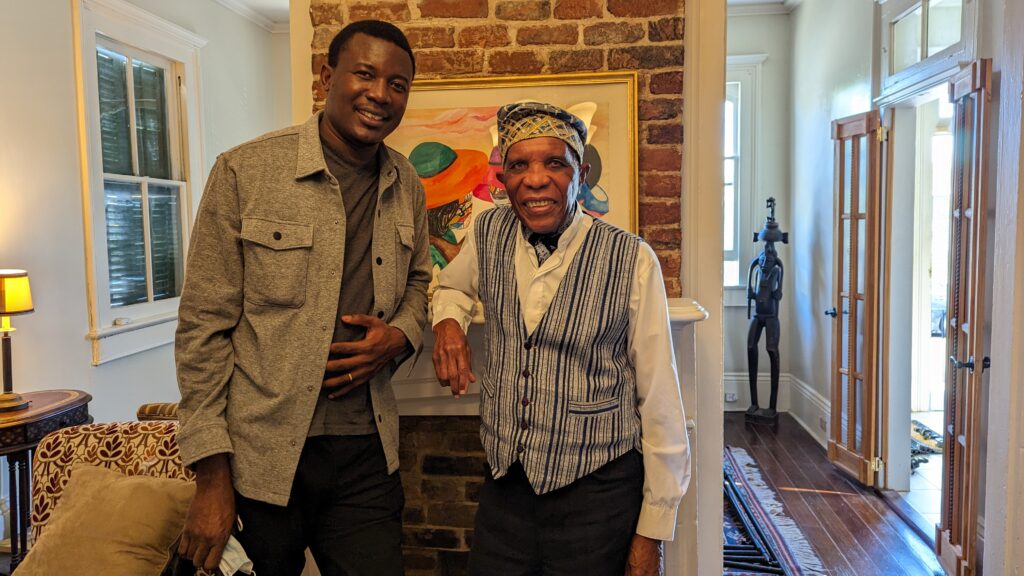
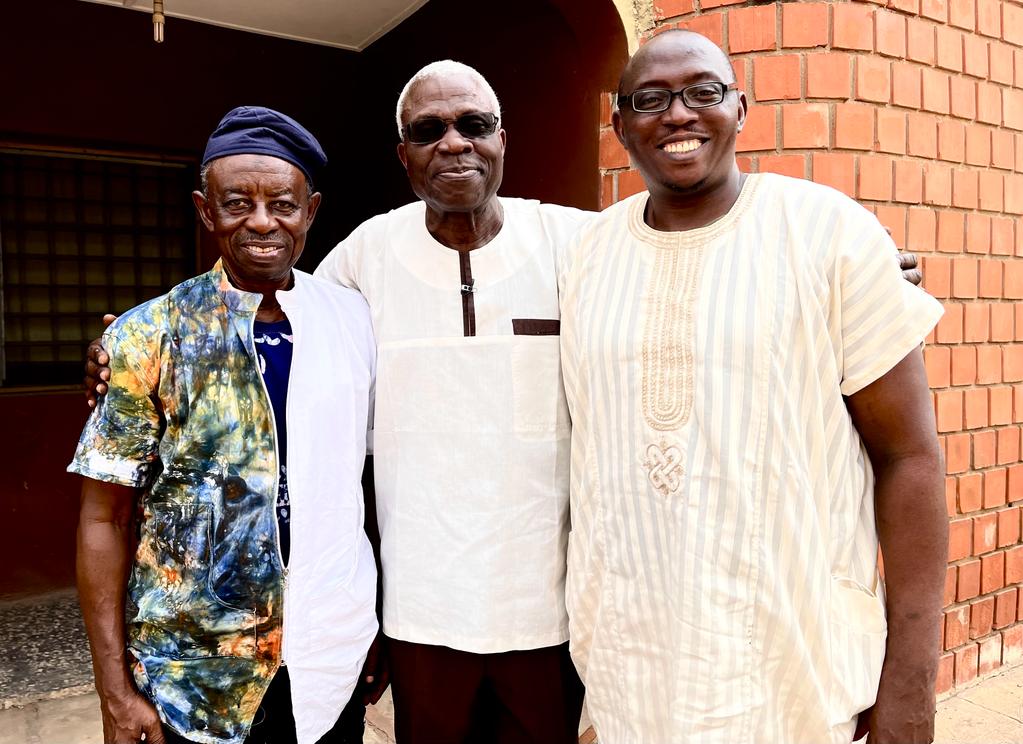
For Kọ́lá Túbọ̀sún, the writer and linguist making his first film, bringing this history to the screen was also a way of revisiting a place connected to his own university experience. A University of Ibadan alumnus, he encountered the bungalow years after his time on campus, but the stories attached to it drew him into a history that extended beyond the building itself. The expression “A Museum of Memory”, he explains, came from Professor Dan Izevbaye, who used it to describe the house’s role in Nigeria’s political, literary and academic life. “The film was always about memory, how much we remember and how we remember,” Túbọ̀sún says, adding that the theme was sharpened through the interviews with those who knew the house.
In this way, Ebrohimie Road becomes more than a record of where Soyinka once lived. It brings together the memories of a family, the recollections of an intellectual community and the history of a country at a turning point. Few houses on a Nigerian university campus can claim to have held so much of one person’s life and so much of a country’s history.
A House Inside a University
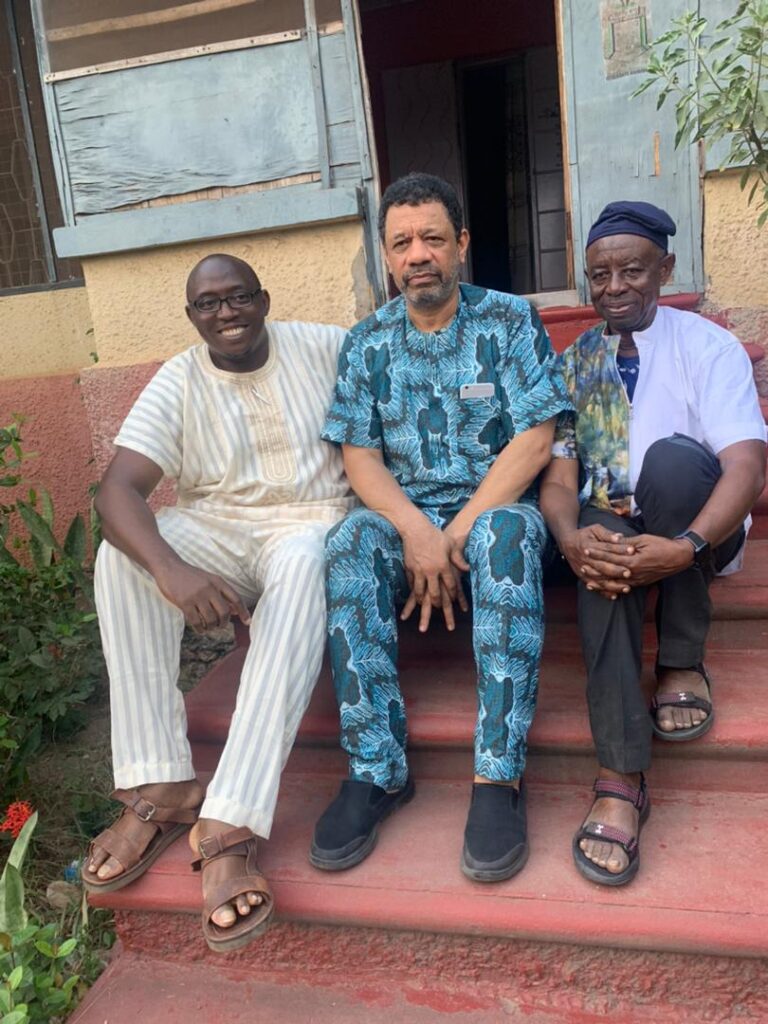
But remembering a house and preserving it are two different things. While the documentary brings its history back into public view, the building itself remains without formal recognition as a museum or heritage site. It is not abandoned; it is currently occupied by Professor Nelson Olabanji Fasina, a professor at the University of Ibadan. Its location, a few metres from the university’s main gate, makes its relationship with the institution difficult to overlook. The house is part of the university’s wider history, yet what should be done to preserve it remains an open question.
For Túbọ̀sún, the responsibility to move beyond remembrance rests largely with the university. Asked what he would like to see happen to the property, whether through restoration, a commemorative plaque or its conversion into a museum, he simply answered: “Everything. We’ve seen the many ways in which societies elsewhere memorialize their historical figures. To do nothing at all would be the crime.” He believes the house deserves something more tangible than the attention a documentary can generate. “My hope is that Ebrohimie Road already does something of a commemoration. But we need something more tangible on the ground, which only the University of Ibadan can spearhead.”
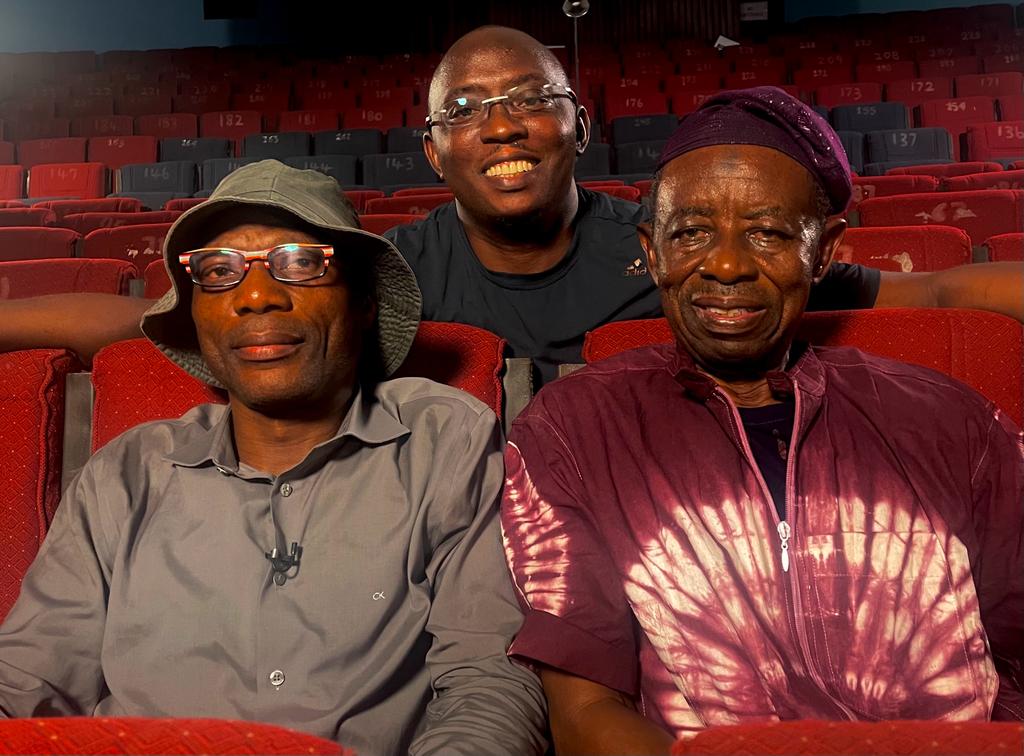
The film has already created opportunities for the university community to engage with the house’s history. It was screened on the front lawn of the property, with professors and students in attendance, as well as at the Institute of African Studies and the Ṣóyínká Theatre. Asked whether the University of Ibadan had responded to the film or the question of preserving the site, Túbọ̀sún’s answer was brief: “Not officially.” He added that the screenings had provided enough visibility for those in positions of authority at the university to take an interest, should they wish to act.
Túbọ̀sún says he no longer lives in Ibadan and cannot assess changes at the property firsthand. However, he has seen people on social media share photographs of themselves on the steps of the house or visiting the study featured in the documentary. In his interview, he also encouraged readers to visit and acknowledge the person currently living there. But increased visibility does not necessarily translate into preservation. A building may attract visitors and become the subject of renewed public interest while remaining without a formal plan for its future.
The question, then, is no longer simply whether Ebrohimie Road deserves to be remembered. The documentary has made a compelling case for that. It is whether the institution whose campus surrounds the house will help turn that memory into something lasting.
Beyond Ebrohimie Road: The Politics of Remembering
The question of what happens to Ebrohimie Road extends beyond the University of Ibadan. It touches on a broader challenge in Nigeria: how the country recognises and preserves the physical spaces connected to its intellectual, literary and cultural history. Although institutions such as the National Commission for Museums and Monuments (NCMM) exist to protect the country’s cultural heritage, preservation still faces challenges, including inadequate funding, weak enforcement, and limited public engagement. The result is often a gap between recognising the importance of a place and making a lasting commitment to protect it.
There is already an example within Soyinka’s own history. At Obafemi Awolowo University in Ile-Ife, where he spent part of his academic career, the Wole Soyinka Museum was inaugurated in July 2018, honouring his contribution to literature and African intellectual life while creating a space to inspire younger generations of writers and artists. This demonstrates how a university can give institutional recognition to the legacy of a figure closely connected to its history.
The comparison is significant, although the two sites have different histories. The museum at Ifẹ̀ celebrates Soyinka’s literary and academic legacy, while Ebrohimie Road carries the memory of a particular period in Nigeria’s political history: his life at the University of Ibadan, his peace mission to Biafra, his detention and eventual return. One has received a formal institutional identity, while the other remains a residence whose historical significance is largely sustained through memory, documentation and public interest.
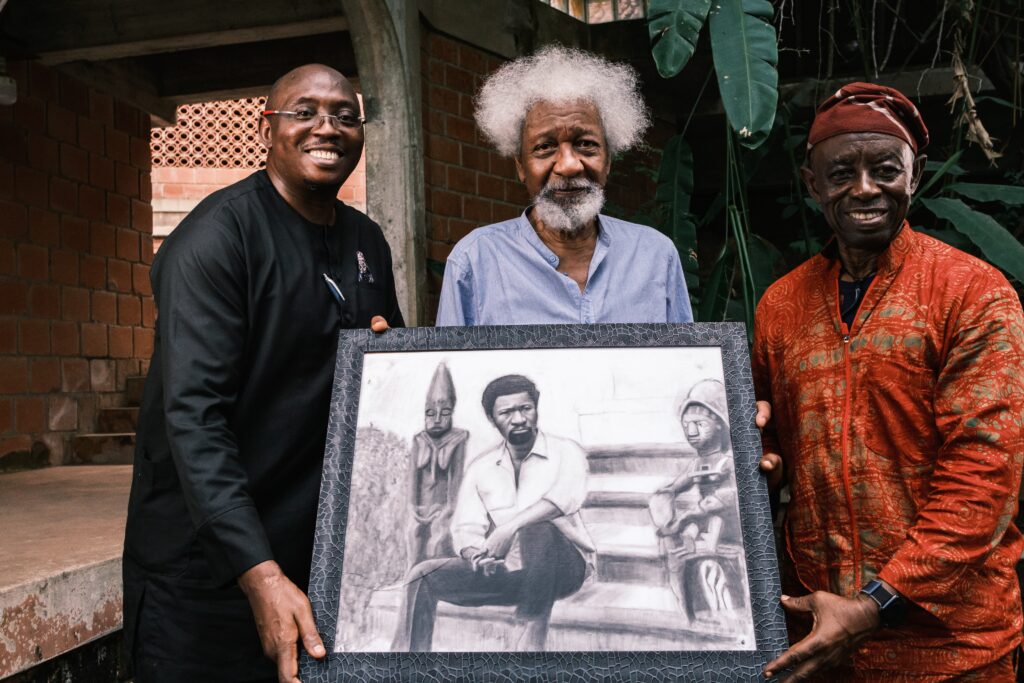
This is where the documentary’s achievement reveals its limitations. According to Túbọ̀sún, Ebrohimie Road: A Museum of Memory has screened across three continents and been acquired by almost 50 universities and institutions. He says it is used in courses on African literature, history and memory. Its international reach is considerable, yet the physical building at the centre of the film has not received the tangible recognition its filmmaker hopes to see. A film may preserve testimonies, bring forgotten histories into circulation and introduce a place to audiences who may never visit it. It cannot, by itself, secure the building’s future.
Perhaps this is the larger question Ebrohimie Road leaves behind. What does it mean to celebrate a writer’s achievements while neglecting the physical spaces that shaped his life and work? The house does not necessarily have to become a museum like the one at Ifẹ̀. Its future could involve restoration, formal heritage recognition, a commemorative plaque or another arrangement that protects its history while respecting its present use. What matters is that its significance is acknowledged and a plan made for its preservation.
A country remembers through its books, films, archives and monuments. But it also remembers through the buildings that survive its history. At No. 8 Ebrohimie Road, the story has been told, the memories gathered, and the film has travelled far beyond the street on which the house stands. What remains uncertain is whether the country, and the institution closest to it, will give that memory a lasting place in the physical world.
We have learnt to celebrate the people who make history. We must also learn to preserve the places that hold it.