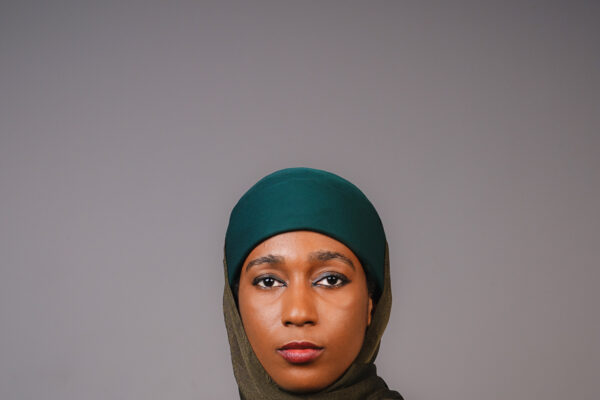
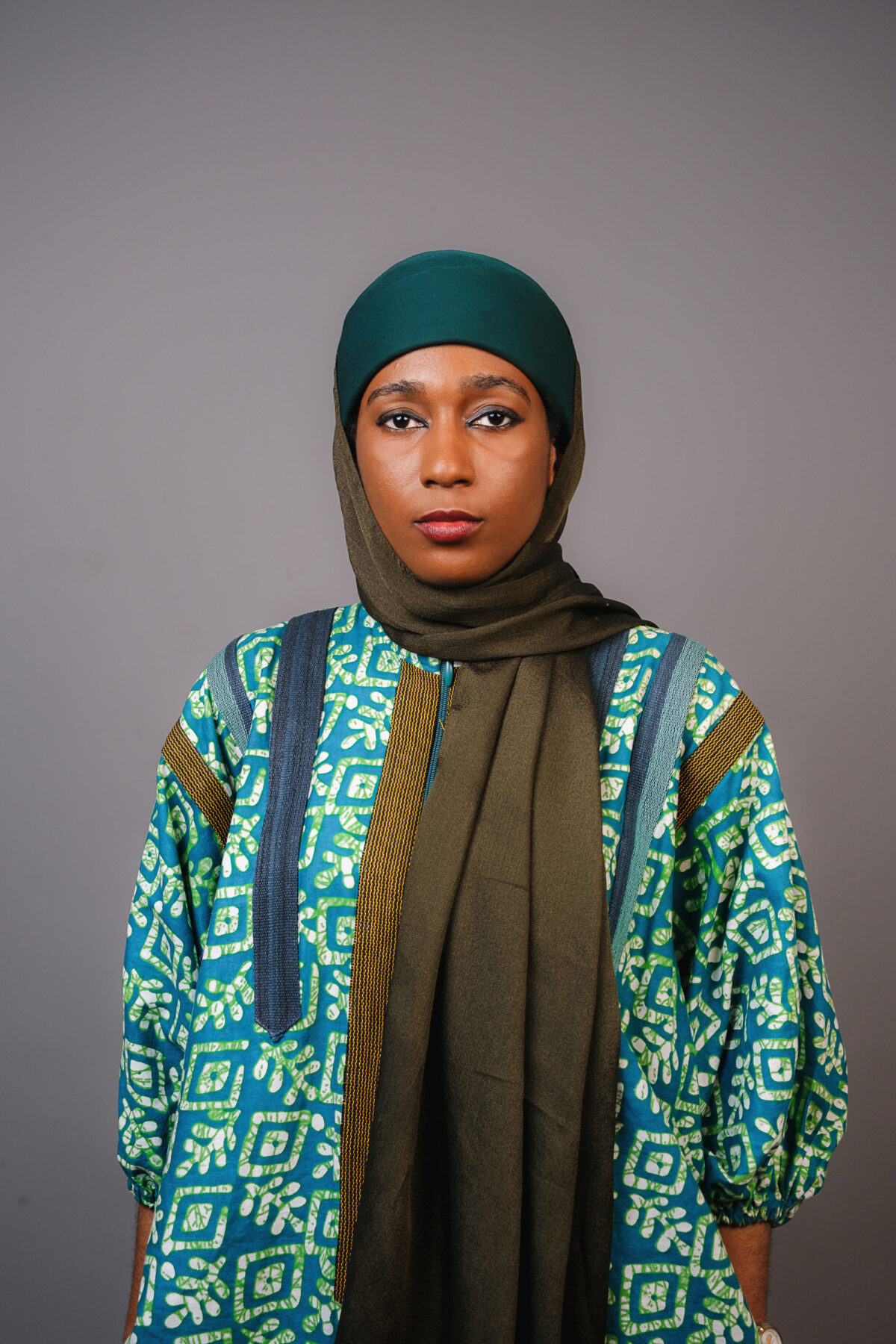
From the stories she is drawn to tell to how those stories find their audiences, Korede Azeez sees filmmaking as more than a creative pursuit. For her, it is also an exercise in building, collaboration, and finding ways to make the industry sustainable.
A film begins with a story, but for Korede Azeez, that is hardly where the work ends. This perspective has shaped her filmmaking journey.
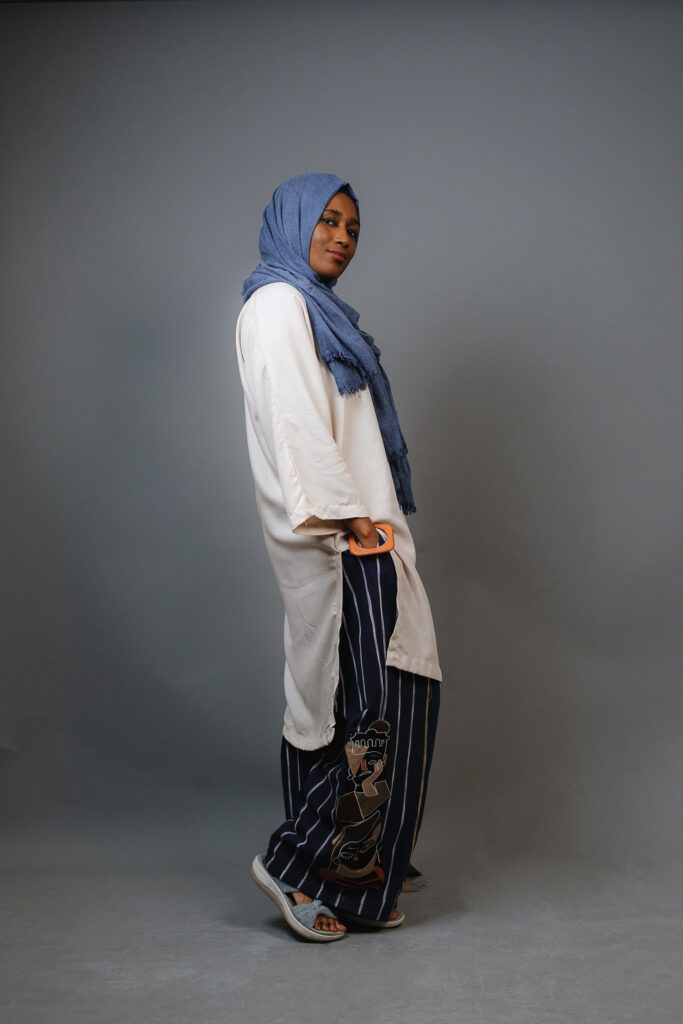
Korede Azeez has spent much of that journey familiarising herself with the elements that shape a film. She began in sound, moved into writing and directing, and found herself increasingly interested in producing. Each transition brought her closer to the creative process, and also to the decisions that shape a film beyond the screenplay: how it is made, how it is presented, how it reaches an audience, and what might allow the work to continue.
She describes herself simply as someone who likes to build things.
“I think a film is like a startup and a product at the same time,” she says.
It may seem like an unusual comparison, but it captures the intentionality behind how she approaches her work. For Azeez, film is not simply about telling a compelling story. It is about understanding every process that must happen for a project to succeed, from development and production to marketing, distribution, and how it engages the intended audience.
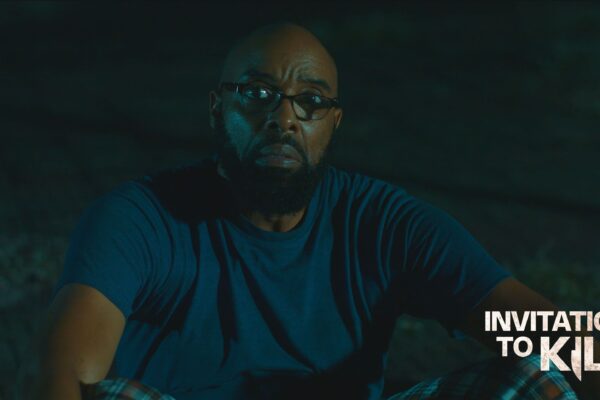
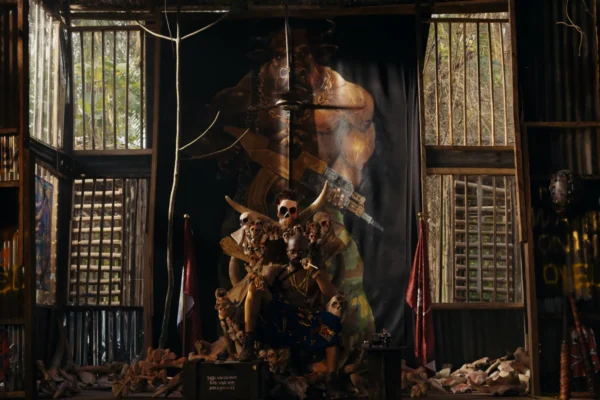
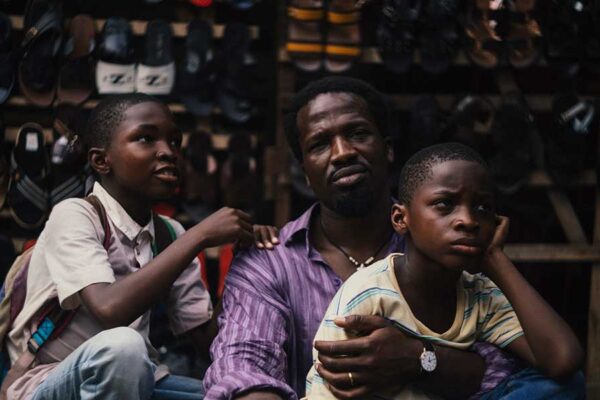
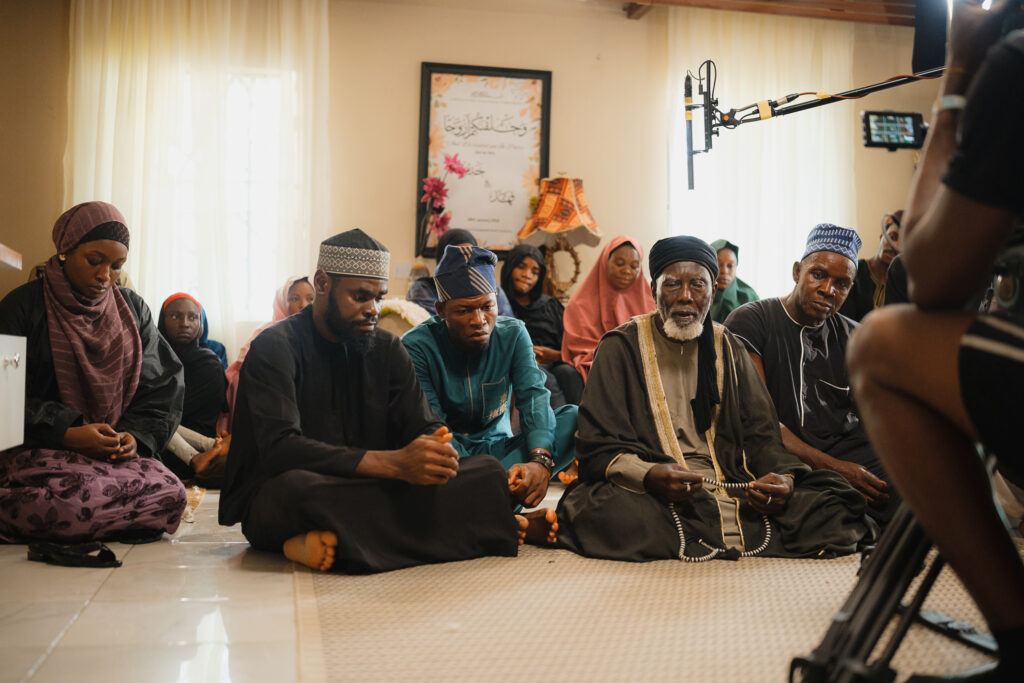
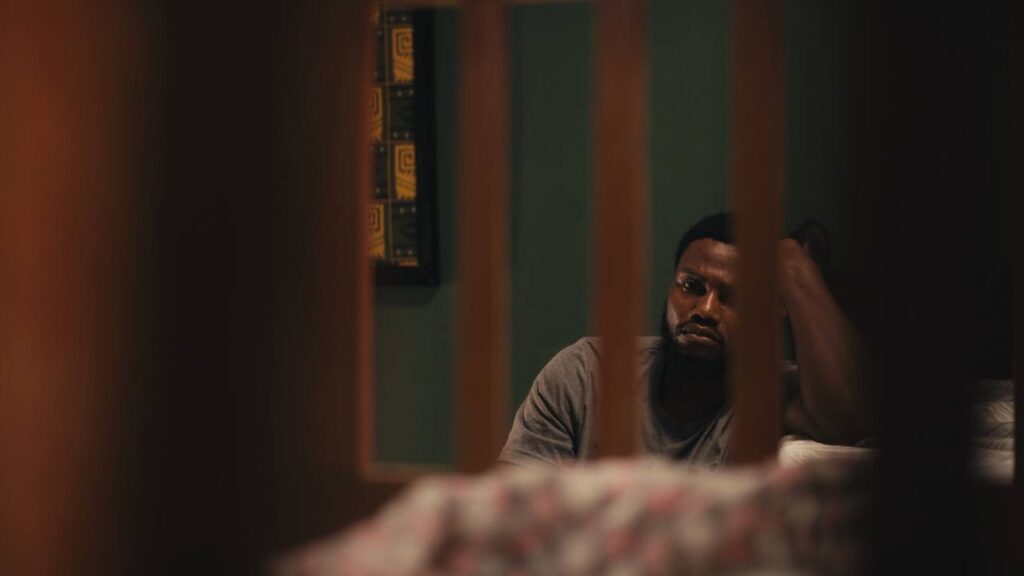
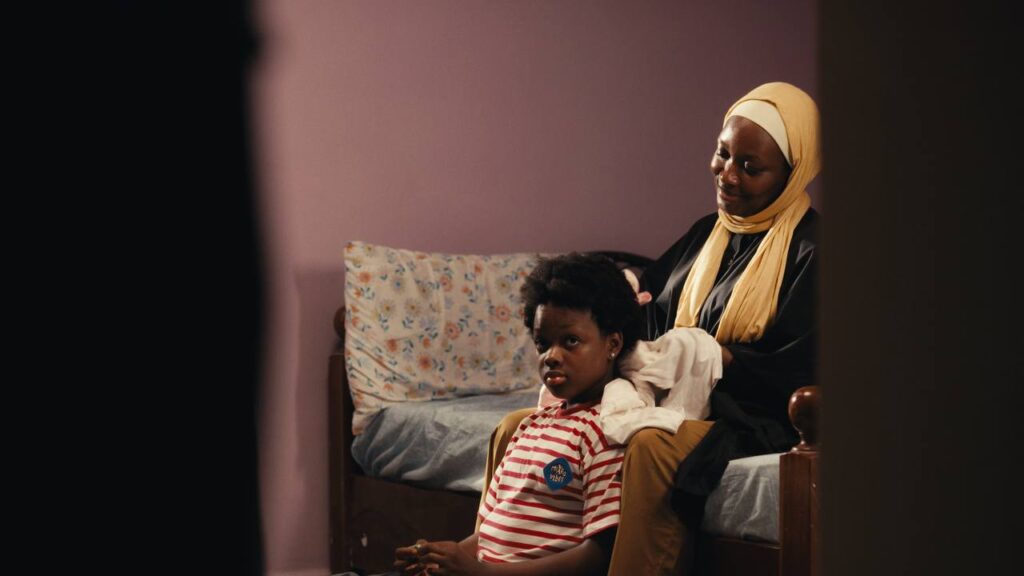
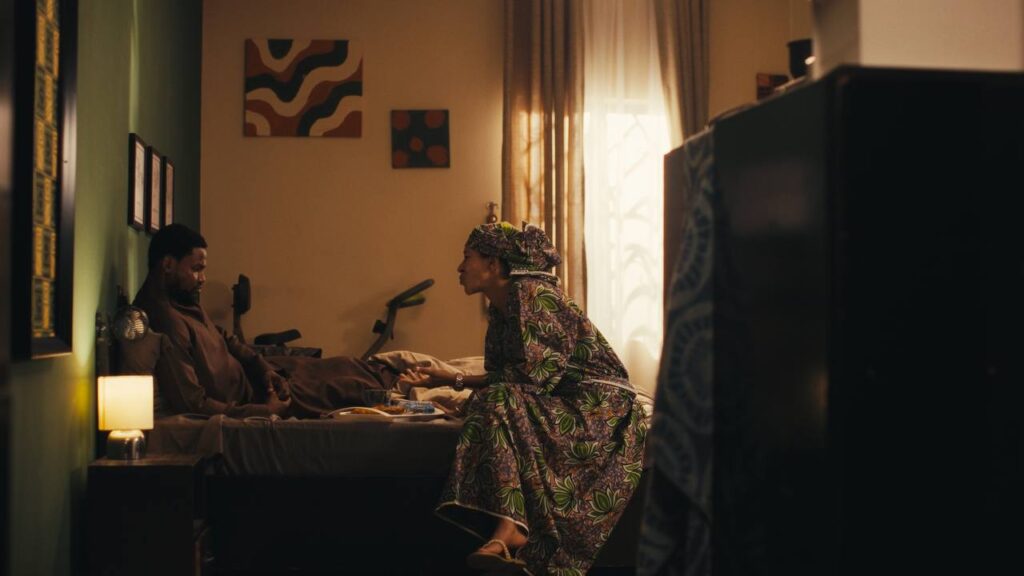
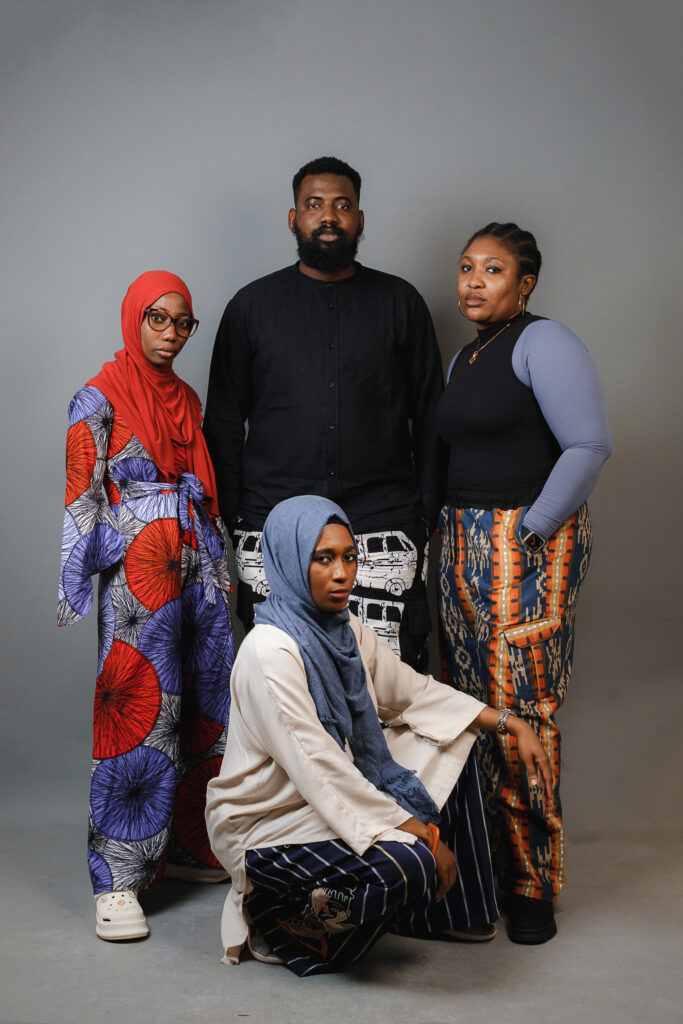
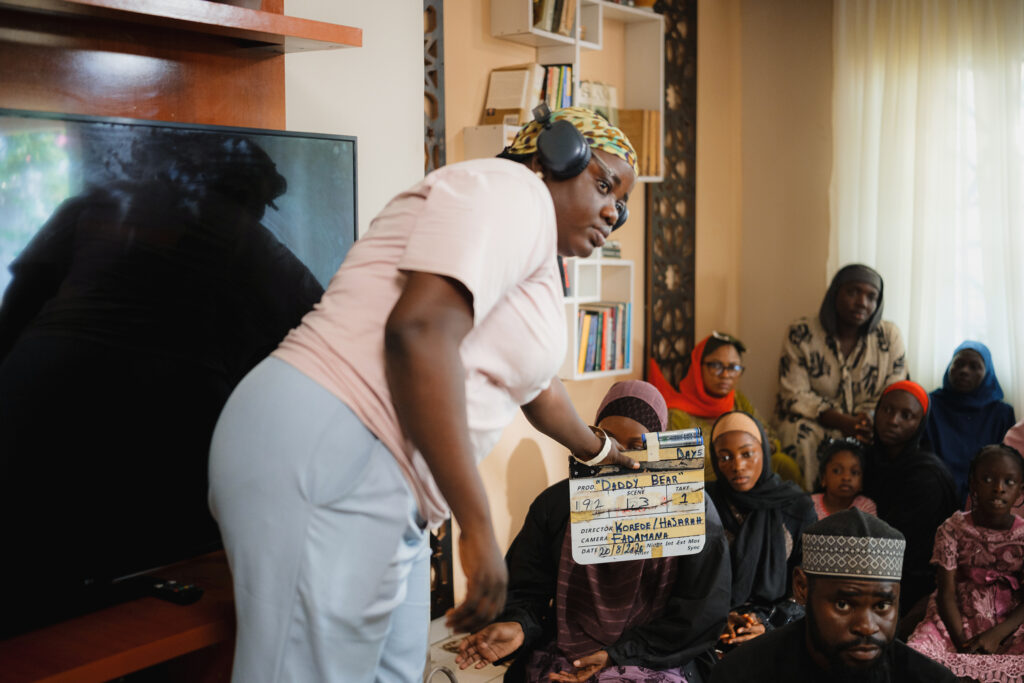
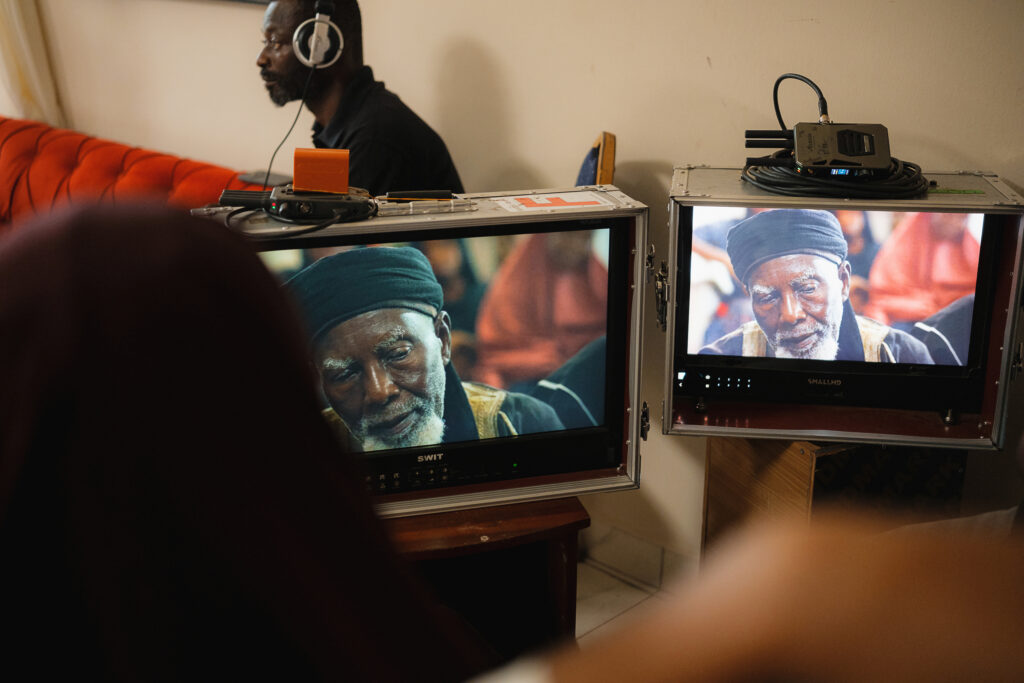
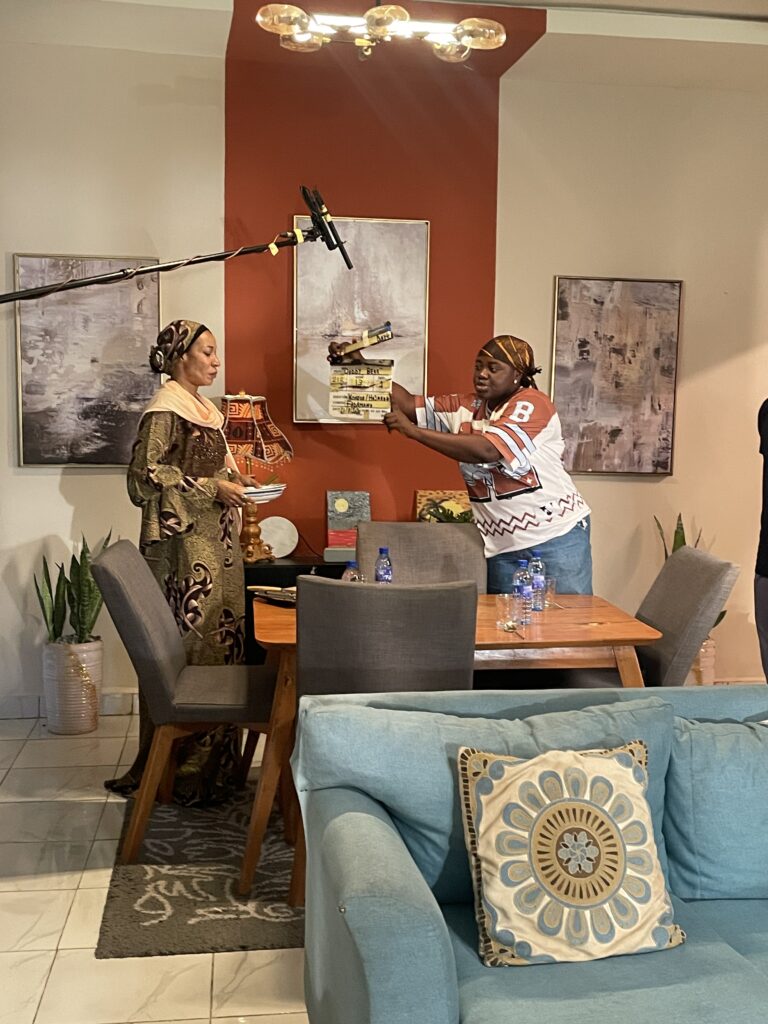
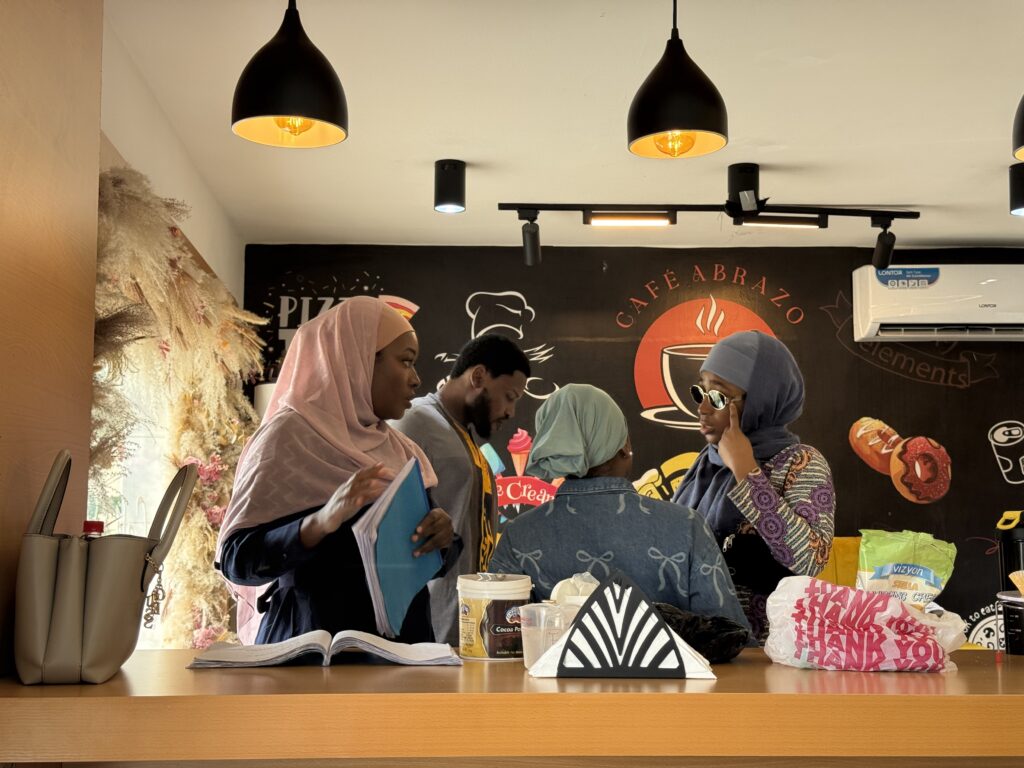
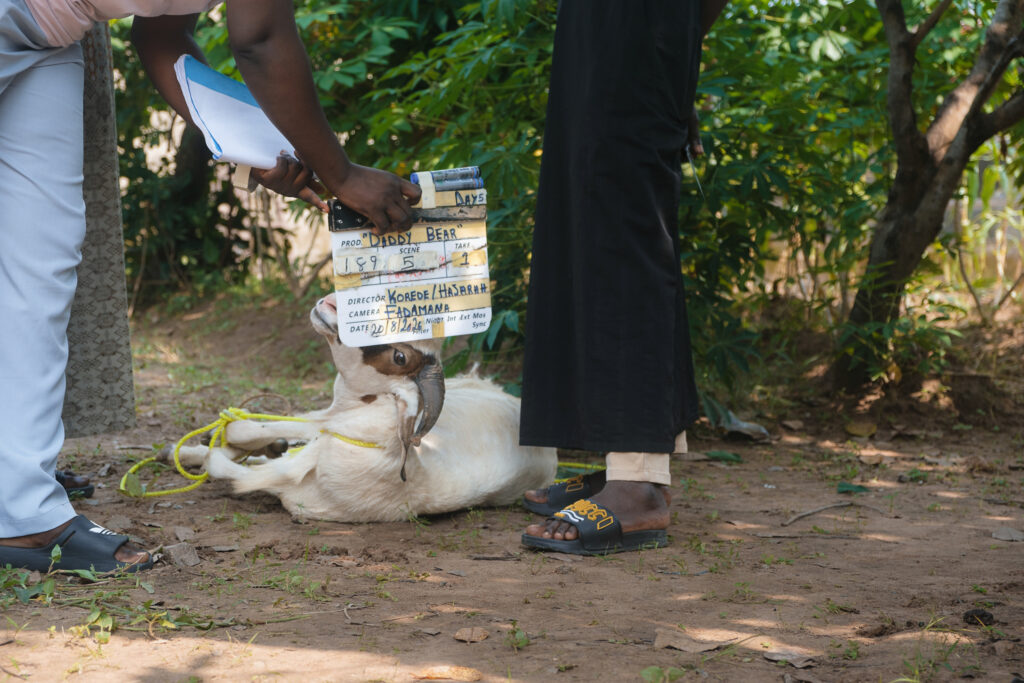
Her latest feature project, Daddy Bear, revolves around the intersection of these interests. Co-directed with Hajarat Abiodun Alli, who wrote the film and originated the story, the film follows Fahd, a father raising his 10-year-old daughter, Aisha, and newborn Saliha after the death of their mother, Khadijah. It is a story of navigating fatherhood and the demands of family life, set in a Muslim household in Abuja. The film stars Jammal Ibrahim as Fahd, Chidera Osadebe as Aisha, and Ame Aiyejina as Zahra, with cinematography by Okwong Fadamana. First-look images were released in October 2026. But beyond the project itself lies a larger question: how can a film reach the people who might connect with it, especially when conventional distribution routes don’t guarantee that connection?
For Azeez, the question is inseparable from the reasons she makes films in the first place.
From Telling Stories to Building Them
Azeez’s movement through different departments of filmmaking has been guided by a desire to exercise greater creative control. She recalls writing her first short story around age eight, and later directing gave her the chance to create a world and put it on screen, while producing brought her closer to the decisions that shape how a finished work is delivered and sold.
Through Cardinal StoryWorks, the story-development unit of Cardinal Productions, the Abuja-based company she founded, she began exploring how writers could work together to produce stronger stories.
The idea grew out of her experience developing With Difficulty Comes Ease. The project had begun with a desire to tell a story centred on a Muslim woman, which Azeez put out as an invitation for other writers to collaborate; it became an exercise in developing a story collectively, exchanging feedback and refining the screenplay. Although Azeez eventually wrote the script for that project, the collaborative process left a lasting impression on her, and she began to consider how to incorporate that approach from the start, rather than introducing it only when a script needed help.
When Alli brought the premise that would become Daddy Bear into the writing room, the story entered that same environment of collective development. The idea was straightforward, and the team began working on it, although the project paused before development continued.
The opportunity to develop again came through the Entertainment and Media Hubs Programme, powered by CcHUB’s Creative Economy Practice in partnership with Africa No Filter. Alli applied with Azeez as a collaborator, and after the project was shortlisted, Azeez brought in her producing partner, Fulfilment “Fuchi” Nwaturuocha.
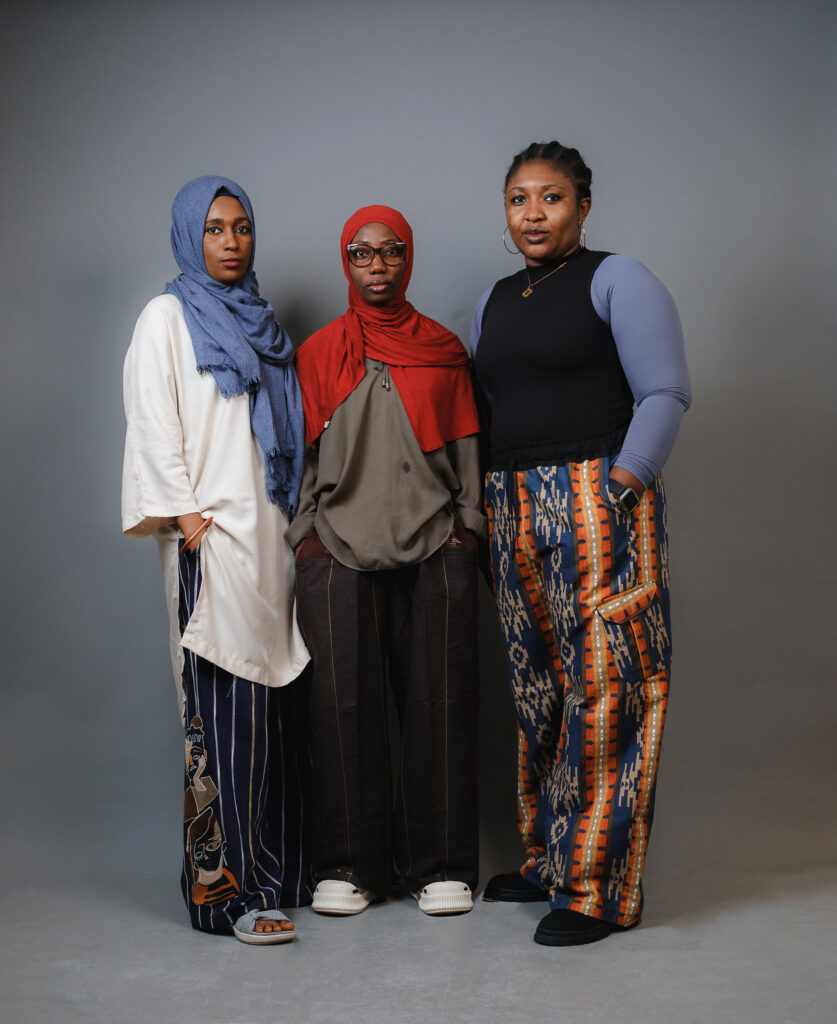
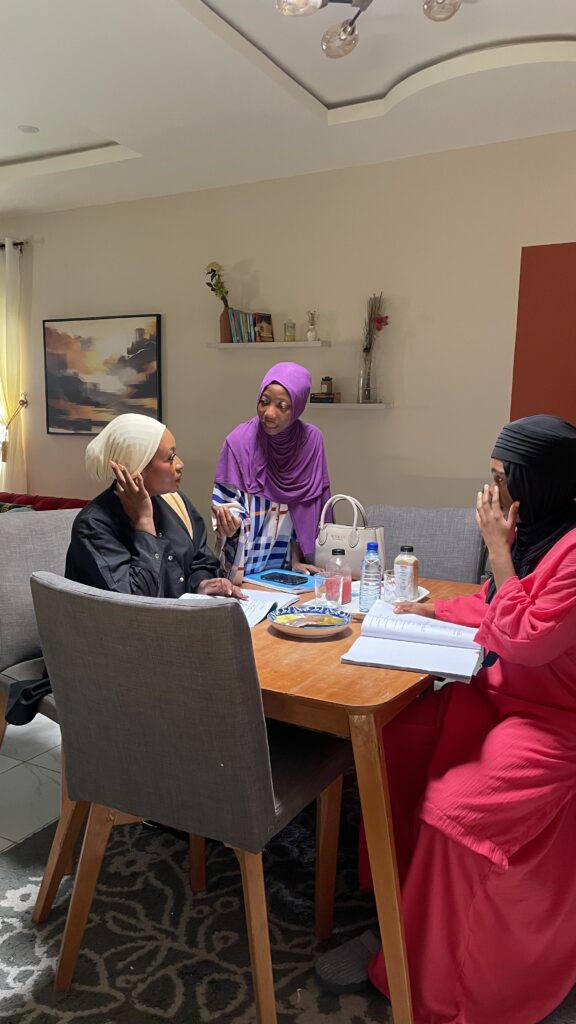
The story, which originated with Alli, was developed into a screenplay with Azeez at Cardinal Story Works and produced by Fulfilment “Fuchi” Nwaturuocha. The story then went through another round of development. Script consultant Bola Agbaje provided feedback as the team worked through successive drafts, while Azeez, Alli and Nwaturuocha contributed to the process. The schedule was tight enough that pre-production began before the screenplay was finished.
For Azeez, collaboration depends on more than assembling capable people. It requires understanding what each person is trying to protect about a project and making room for those intentions to survive the process of bringing it to life.
The People Behind the Story
Azeez is drawn to stories that say something about the human condition, particularly those that compel audiences to examine themselves. She wants to make films that ask questions rather than simply provide answers, and that approach informs how she thinks about the people who inhabit her stories.
When asked about the difference between telling the story of a man and that of a woman, she resists treating gender as the defining distinction. People are shaped by their values, beliefs, families, cultures, and the expectations placed upon them. Gender can influence those expectations, but each character still has to be understood as an individual. In her words, “The way we approached the story and this character was just coming from a place of truth.”
In Daddy Bear, this means approaching Fahd through his circumstances rather than through a predetermined idea of what a father should be. Azeez describes the film as a story about “a man who tries.” Fahd chooses not to remarry so that someone else can raise his daughters; he stays present and learns that fatherhood is about more than providing. The emphasis is not on whether he is competent, or whether he responds to every situation as he ought to. It is watching a person navigate a difficult experience and understanding how he approaches it.
That perspective also informs the film’s treatment of faith. Azeez does not want religious identity to turn the characters into symbols or make the film feel like a sermon. Faith belongs to the everyday lives of the people being represented. Prayer, religious practice, and belief can exist naturally within a story without becoming its sole purpose.
For Azeez, getting close to a character is a form of interrogation. The process allows her to explore not only who that person is but also what others in similar circumstances might be experiencing. The aim is to understand the character’s perspective and represent it as truthfully as possible.
Representation as a Question of Identity
Azeez’s interest in Muslim characters comes partly from her experience growing up as a Yoruba Muslim in Enugu, a city where she encountered limited understanding of Muslim identity. She became conscious of the gap between the lives she knew and the ways Muslims were frequently represented in the media.
According to her, “In Nigerian films, you are getting Musa the Gateman. In American films, you are getting the terrorists” News coverage could reinforce those impressions, leaving little room for the ordinary complexity of Muslim life.
For Azeez, the problem is not simply that particular groups appear too infrequently on screen. It is how they are represented. She believes that seeing more people represented as they are might help audiences recognise the similarities that exist across differences. The intention is not to deny cultural or religious distinctions, but to prevent those distinctions from becoming the only things that matter about a person.
She is careful not to describe her work as an extension of religious obligation. Her stories come from people and circumstances around her. If she had grown up somewhere else, she suggests, the people she wanted to write about might have been different. Her stories emerge from where she is, what she sees and what she notices.
In Daddy Bear, this interest meets the story. Faith shapes the environment Fahd lives in, but it does not replace his humanity.
Taking the Film to Its Audience
Beyond making the film, Azeez and her collaborators are also considering how Daddy Bear should reach the people they hope will watch it.
With production complete, the team is preparing for community screenings in Lagos and Abuja, expected to begin in November 2026. The plan is to take the film into different spaces and work with existing networks, including faith communities. The decision came from practical considerations and the team’s desire for audiences to engage with the film together.
Streaming offers one route to viewers, but Azeez questions how straightforward that route is for the audiences they have in mind. Cinema presents its own challenges: not everyone in the intended audience regularly attends cinemas, and the number and accessibility of screens matter. Uploading a film to YouTube would not necessarily solve the problem of getting it discovered.
Marketing also costs money. Even when a film is available on a platform, making sure the right people know about it can demand considerable resources.
Community screenings offer a different possibility. Rather than relying entirely on audiences to find the film, the team can take it into spaces where those audiences already gather. This can create room for conversation and sustain it beyond the screening itself.
The proposed rollout may take different forms, from schools to events organised with community partners. Ticketing arrangements and prices may vary according to the costs associated with each location, but the team hopes to keep the experience accessible.
Azeez does not present the approach as a finished solution to independent film distribution. Instead, she wants to explore what it can offer. The team is also exploring the possibility of making Daddy Bear available through streaming and television. Neither route has been confirmed.
Beyond the Finished Film
Azeez is particularly interested in how filmmakers can build practices that let them keep working, and how different parts of the industry might support that continuity.
Her experience with Daddy Bear has brought together the questions that interest her: how stories are developed collaboratively, how filmmakers preserve the intentions behind them, how representation can broaden an audience’s understanding of other people, and how distribution can be approached with particular audiences’ needs in mind.
These are the kinds of questions Azeez wants to keep exploring. Her interest in entrepreneurship isn’t separate from her creative work; it grows out of a desire to understand what makes that work possible and what might allow other creatives to keep making theirs.
Asked what advice she would give filmmakers, she returns to the reason they make stories in the first place.
“Know your why,” she says. She believes it matters to understand why you want to tell particular stories and why you want to tell them in a particular way.
For Azeez, that question reaches beyond the moment a story begins. It extends to the choices made during production, the people whose lives the film represents, and the audiences it eventually reaches.
Interview By: Rotimi Feyisayo Guidiance
Written By: Aaron Ayo Akinyemi