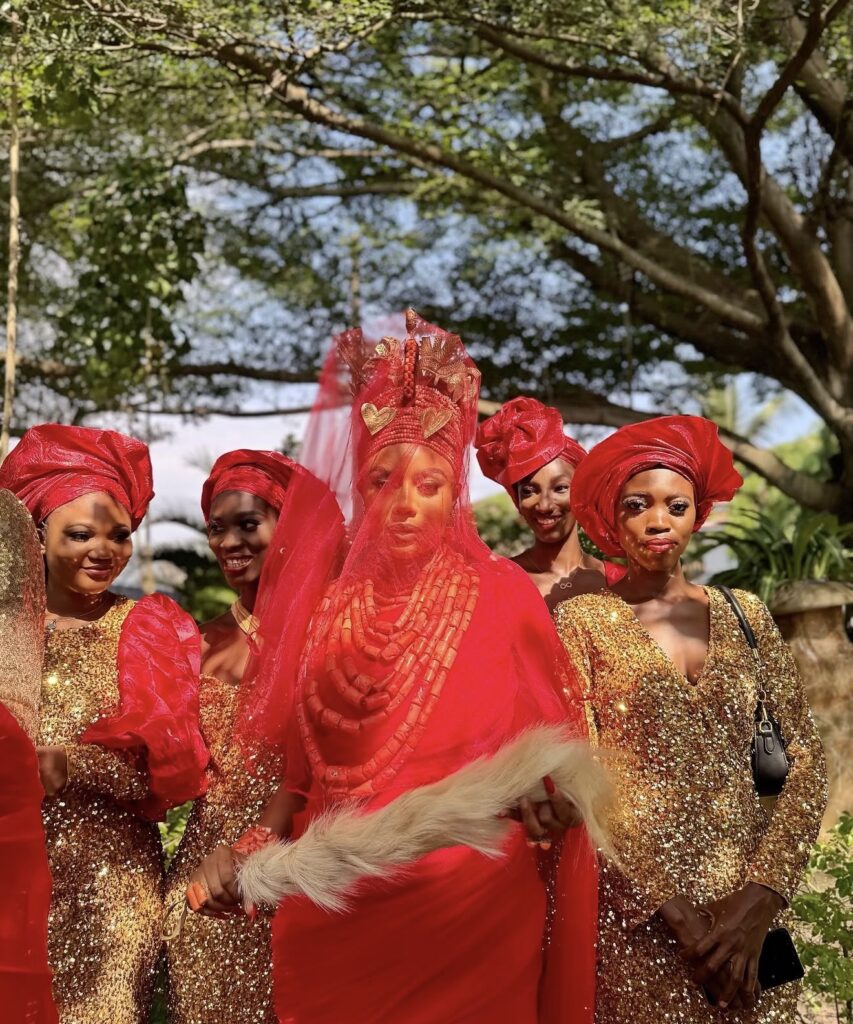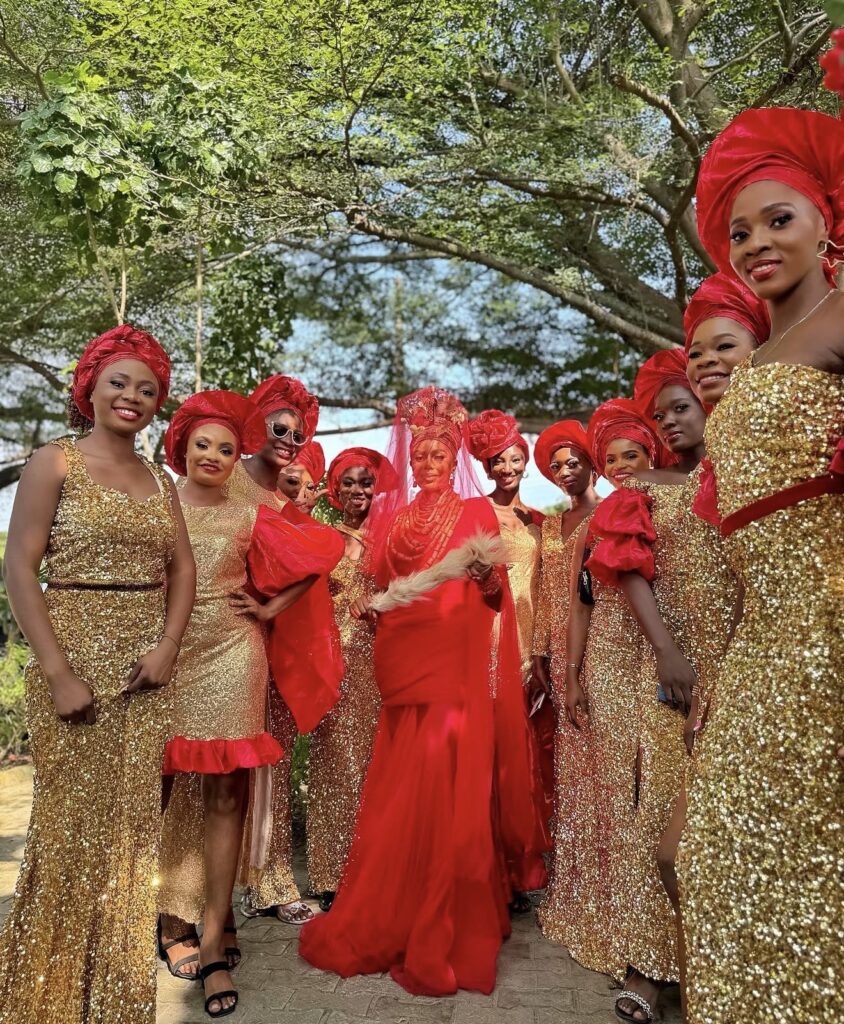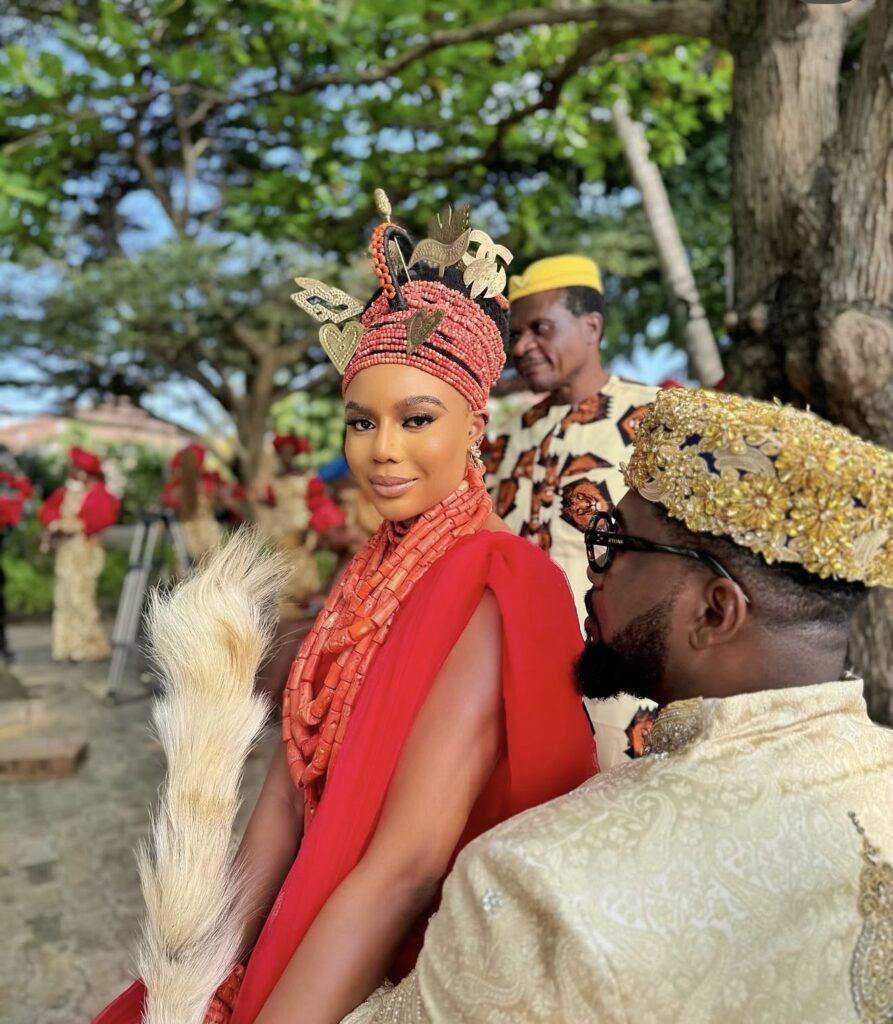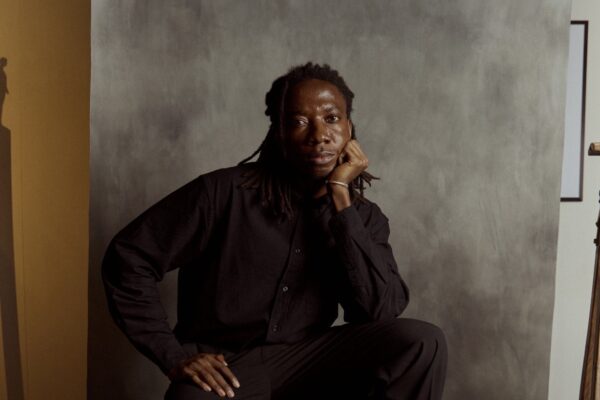

For Nancy Isime, Loving Itohan marked two significant experiences: taking on a demanding lead role and making her debut as an executive producer on a feature film.
The project came to her through Greoh Studios, led by Jade Osiberu, with a script already in place. Drawn to its emotional depth, Isime found a personal connection to the story, describing the experience as one of self-reflection and healing.
Although her experience executive-producing The Nancy Isime Show gave her some familiarity with production, feature filmmaking presented a different learning curve. Working alongside Greoh Studios, she navigated a new creative environment while remaining deeply invested in playing Itohan.
She describes the experience as a soft launch into executive producing, one she hopes to build on with patience and a deliberate choice of projects.
Loving Itohan, which opened in Nigerian cinemas on 6 November, follows newlyweds Itohan and Somto as they begin building their life together, unaware that Somto’s younger brother, Obi, harbours a long-standing love for Itohan. Directed by Orobosa Ikponmwen, the film stars Isime alongside Uzor Arukwe, Martha Ehinome Orhiere, Dorathy Bachor, Chioma Nwosu, Obehi Aburime and Grace Dein Coker.

In this conversation with OYA Magazine, Isime reflects on her first feature-film executive-producing experience, the personal connection that drew her to Loving Itohan, the demands of playing its central character and what this new experience might mean for the next chapter of her career.
This interview has been edited for length and clarity.
OYA: How did Loving Itohan come about? Was it a story you had been developing, or was it pitched to you?
Nancy Isime: Loving Itohan was a project pitched to me by Greoh Studios. It wasn’t a story I had been developing independently; the opportunity came through their team.
OYA: What was it about the story that made you want to back it? What did you see in it that made you commit?
Nancy Isime: I think the emotional depth of the story drew me to it. I found myself going through a healing process while working on the project because certain aspects of the story felt very personal to me. Beyond the opportunity to tell a compelling story, it became a journey of self-reflection and emotional connection, which made me even more invested in bringing it to life.
OYA: You’ve spent years building The Nancy Isime Show. Coming into this film, what did you feel prepared for, and what caught you off guard?
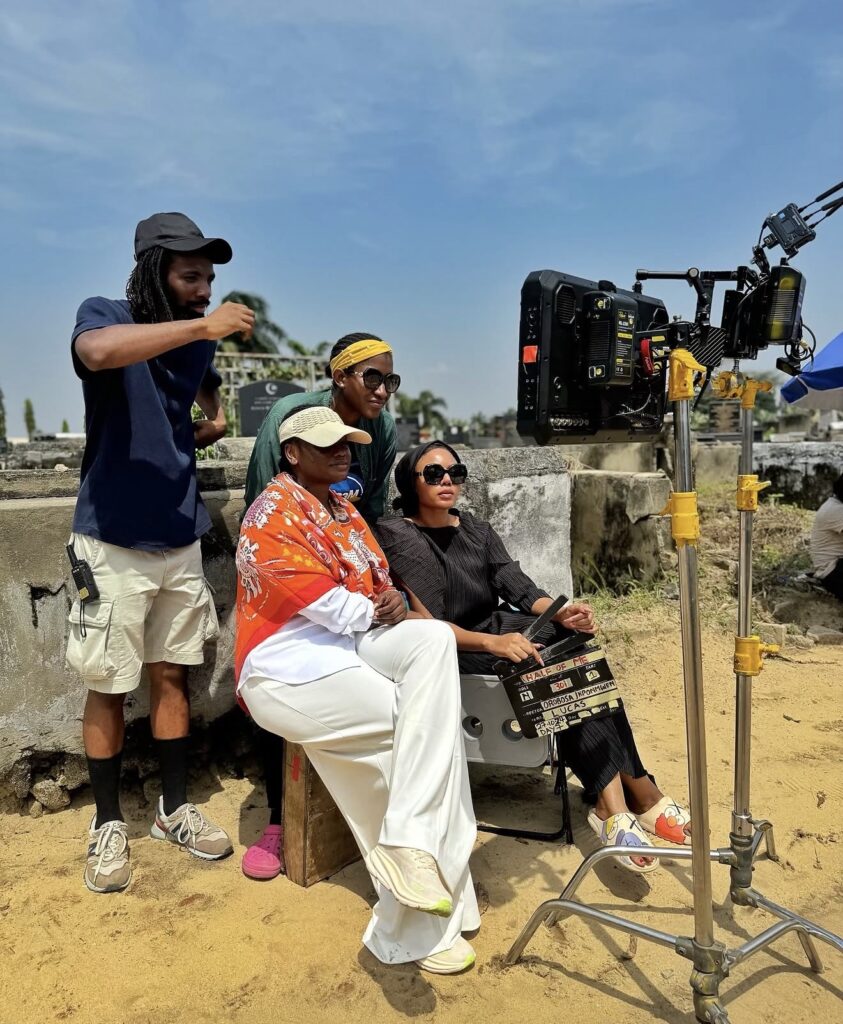
Nancy Isime: Regardless of my previous experience as an executive producer on a television show, stepping into film was entirely new territory. In many ways, almost everything caught me off guard, but in a good way. I was constantly learning and discovering how different aspects of film production worked.
It was an exciting learning experience, although not without its frustrating moments. There were times when the process could be quite demanding, but overall, I thoroughly enjoyed the journey and everything it taught me.
OYA: When you say you executive-produced Loving Itohan, what did that look like day to day? What were the decisions landing on your desk?
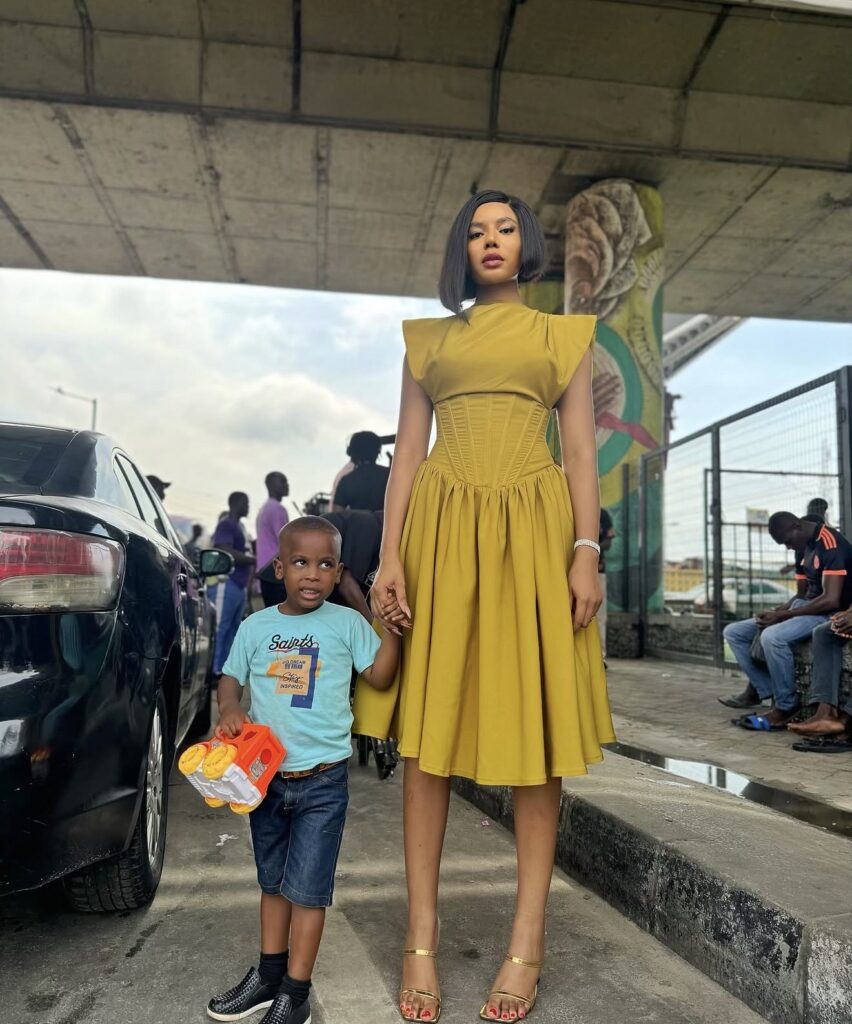
Nancy Isime: Working alongside an established production company like Greoh Studios meant I had a team I could trust to handle the production process. This allowed me to focus on my role as the lead actor, particularly because playing Itohan required so much emotional investment.
Her journey placed her in an incredibly vulnerable space, and I had to remain fully immersed in her world throughout filming. It was important that I gave the character my complete attention, both emotionally and creatively. Having Greoh Studios as a trusted production partner allowed me to do that while they managed the broader production responsibilities.
OYA: How different was the original story from the film audiences are about to see? Was there anything you particularly wanted to change or preserve?
Nancy Isime: Interestingly, the film remained very true to the original script that was pitched to me. We didn’t make any significant changes to the story or its central message. Everything that was written, including the soul and essence of the film, was brought to life on screen.
Our focus was on staying faithful to the original vision and translating the story and its themes in the best way possible.
OYA: How did you and the team at Greoh Studios come together on this? What were those early conversations about the film like?
Nancy Isime: Greoh Studios, led by Jade Osiberu, has built a reputation for producing some of the biggest and most remarkable films to come out of Nigeria. That track record gave me a great deal of confidence in the team, and I knew I could trust their expertise.
Our early conversations centred largely on the film’s creative direction: what we wanted it to look and feel like, how we wanted audiences to experience the story, and the emotions we hoped to evoke. We were aligned in our vision, and the collaboration came together quite naturally.

OYA: Playing Itohan seems to have demanded a great deal emotionally. What was most challenging about understanding and portraying her?
Nancy Isime: Playing Itohan was an intense emotional rollercoaster. The character required me to remain in a deeply vulnerable emotional space throughout the film, and that was one of the most demanding aspects of the role. With the director’s guidance, I was able to navigate her emotional journey and stay connected to the character as authentically as possible.
Honestly, every scene presented its own challenge because Itohan was constantly navigating different emotional states. There was hardly a moment when she was simply neutral. She was either experiencing a profound sense of innocence, vulnerability, or intense emotion. Understanding and communicating those layers in every scene required a great deal of emotional commitment.
OYA: When making the film, who did you imagine watching it? What did you hope audiences would recognise in the story?
Nancy Isime: We imagined an audience that genuinely appreciates good films and enjoys being immersed in compelling stories. We wanted viewers to sit down, experience Itohan’s world, and become emotionally invested in her journey.
From the reactions we’ve received, I think we’ve achieved some of that. I’ve heard people speak about how emotionally moving the film is, and I’ve personally seen people cry in the cinema. Those reactions are always special because they show that the story has connected with people on an emotional level.
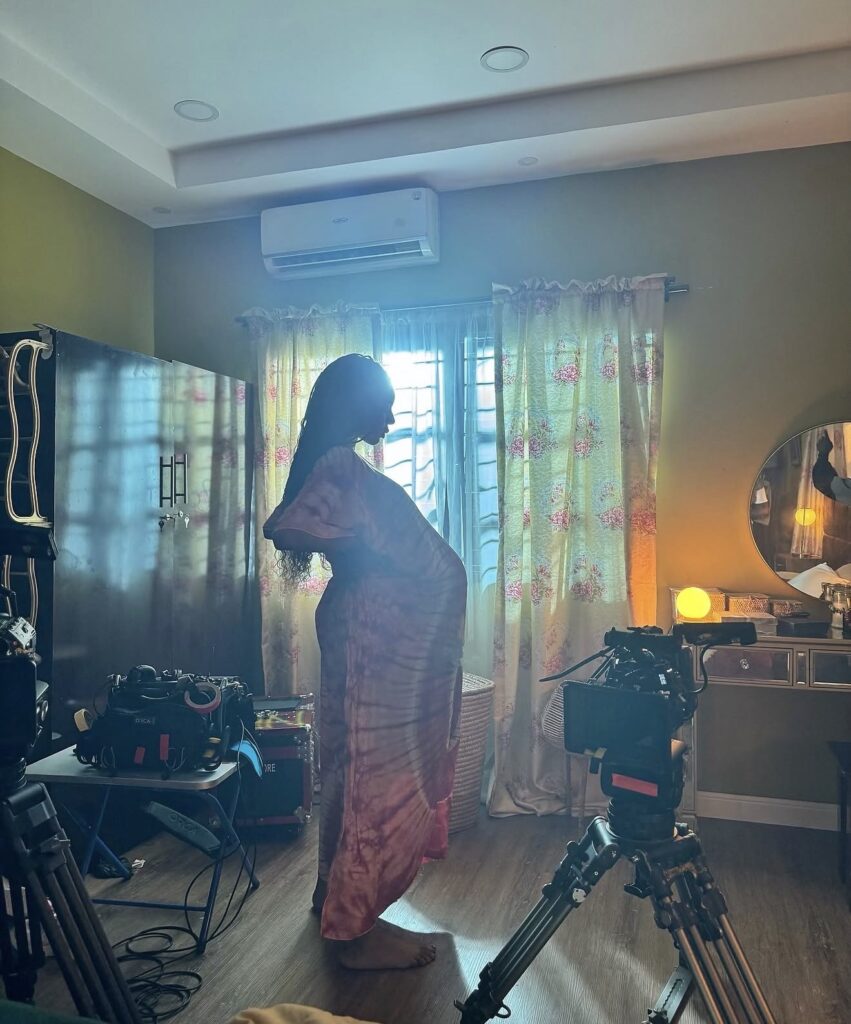
OYA: Has this experience made you want to continue producing films? What might your next chapter in production look like?
Nancy Isime: Absolutely! I think I’ve officially soft-launched my career as an executive producer, and this is certainly something I would love to continue exploring. That said, I believe in taking my time and being intentional about the projects I put out. I don’t necessarily have to release five films in a year or even commit to releasing one every year. I’m comfortable taking a break, waiting for the right story, and returning when the right opportunity presents itself.
Of course, if the opportunity comes along to produce two or three strong films in a year, I wouldn’t rule that out either! As for what I would do differently, I think that’s something I’ll discover when the next opportunity comes. For now, I’ll carry the lessons from Loving Itohan into whatever comes next. It’s been a fantastic experience, and I’ve genuinely loved every part of the journey.