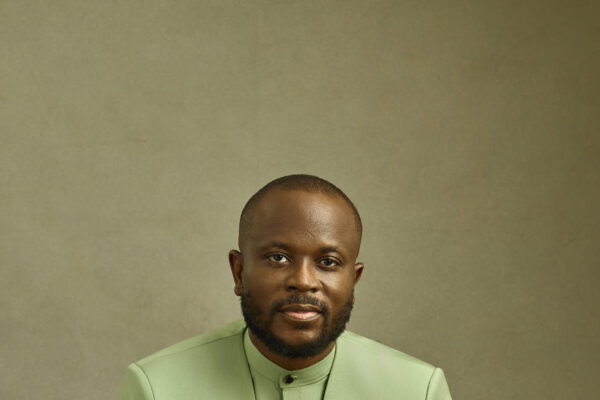
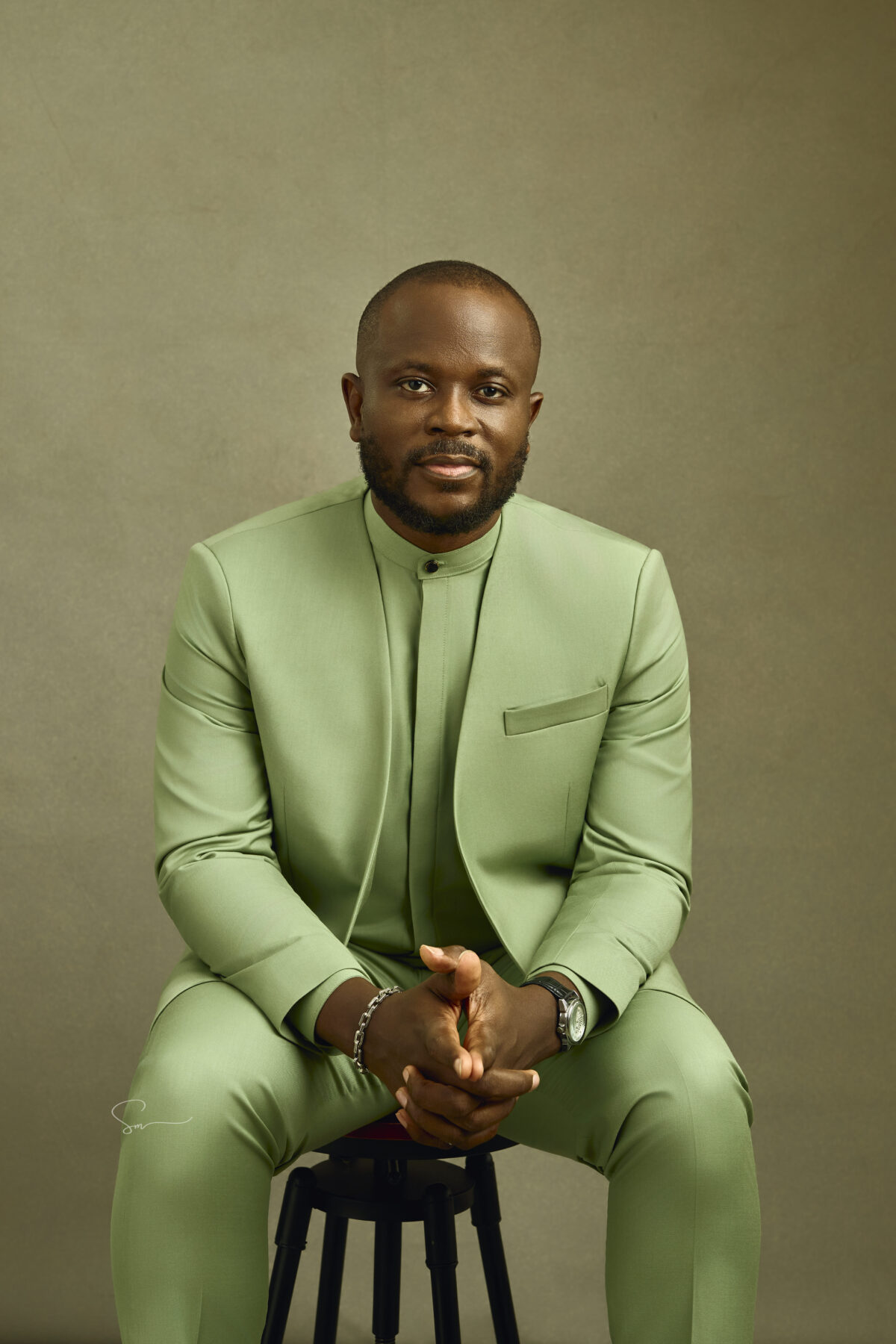
Lagos-based director Adekunle Bryan Oyetunde has submitted his 12-minute short, Kindred, to the Higgsfield Global Film Festival. The festival’s extended submission window closed on September 16.
Produced by Bryan’s studio Auxella Films and made entirely with Higgsfield’s AI tools, Kindred is a supernatural thriller about body, identity, ancestry, and difference.
Kindred follows Asabi, a Lagos architect, who mysteriously vanishes moments before a fall should kill her. When a childhood lullaby resurfaces, she is drawn towards a terrifying secret hidden in her tribal marks.
Bryan created and directed the film, wrote the screenplay and also served as its editor and sound designer. Jojolola Oyetunde produced the film and designed its costumes.
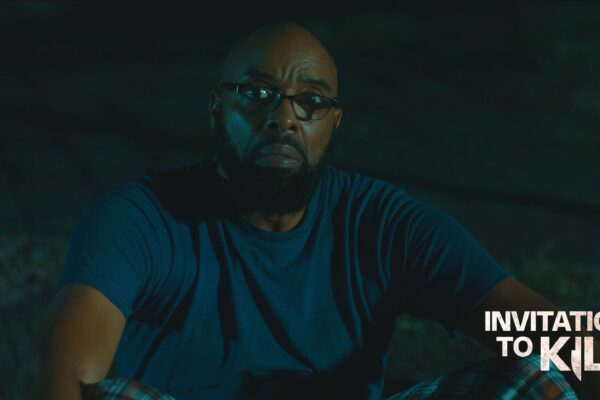
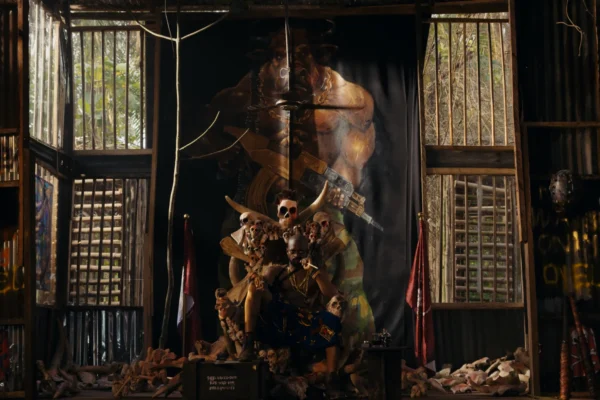
On the surface, Kindred looks like a high-octane, fast-paced supernatural thriller. It depicts a world where people with visible skin differences and markings, including tribal marks, possess supernatural powers. Around this premise, the film establishes an interesting lore with room for further expansion. It also pays close attention to visual detail, using slow-motion shots and close-ups that feel more natural than is often the case with AI-generated films.
But Bryan frames Kindred as something more deliberate than a genre exercise.
“Across the world, certain bodies have been stigmatised, mocked, feared, misunderstood, or treated as abnormal because of the marks on their skin. Tribal marks. Vitiligo. Albinism. The world built cruelty around these bodies. The ancestors encoded their covenant into them,” he told OYA Magazine.
The story had existed several months before the competition. The team then spent two weeks developing the prologue and drafting the final screenplay.
Pre-production involved creating character sheets for every character, location sheets for each scene and prop sheets detailing the objects that would appear in them. Unlike on a traditional production, they generated these materials as images and refined them until the team found the exact look it wanted.
The filming stage (video generation) lasted between two and three weeks. According to Bryan, they generated several takes for individual shots because a technically usable image wasn’t always the right performance.
“AI will do its own thing, but you have to direct it properly to emote the right feeling for each act,” he said.
Editing and scoring happened alongside generating the film’s videos and music. This let the team assess each scene as it came together and decide whether it needed more takes. After picture lock, the detailed sound design, mixing and mastering took another four days.
Bryan also explained that although AI removed some of the physical demands of traditional production, making the film still required the discipline and routine of a regular set.
“Making the film entirely in Higgsfield allowed us to tell our story without having a physical cast, filming permits, rental equipment and a few other things,” he said.
“However, creating a film using AI is like filming traditionally. We had a call time every day to resume the set; we had lunch breaks. When we ran low on credits to generate scenes, we pulled funds from our production budget to buy more.
“We generated costumes, characters, and other details to maintain continuity. AI made our vision achievable within a shorter time and on a limited budget.”
The Higgsfield Global Film Festival requires every shot in an entry to be generated using tools available on Higgsfield. Music, voices, and sound design must also be AI-generated, and the filmmaker must hold the necessary rights. Participants cannot use a real person’s face or voice as input, including their own. Finished films must run for at least three minutes and be posted publicly with the festival’s watermark.
The festival’s $1 million prize pool is split across 14 awards: $500,000 for first place, $200,000 for second, $100,000 for third, a separate $100,000 Audience Choice Award, and ten honourable mentions worth $10,000 each.
The jury includes Pixar co-founder Edwin Catmull, Oscar-nominated cinematographer Phedon Papamichael, and directors Paul W.S. Anderson and Alex Proyas. Winners are expected to be announced during the last week of October.
Bryan has said Kindred is not meant to stand alone. He describes it as the prologue to a planned anthology from Auxella Films, telling stories with meaning and purpose that “feels like us.”
Whether Kindred makes the festival shortlist or wins the audience vote will remain unknown until the official results are announced. But as a Nigerian film built entirely inside an AI studio and competing alongside entries from around the world, it’s already a story worth following.