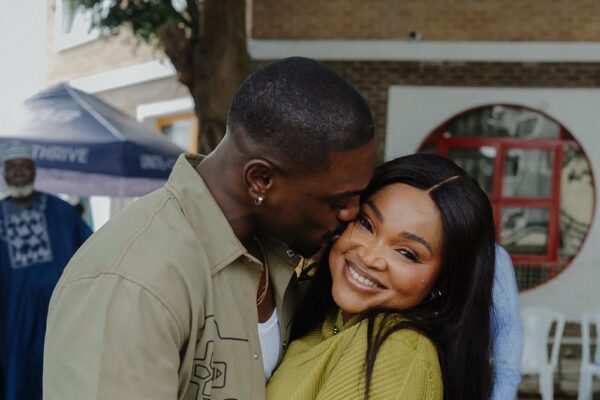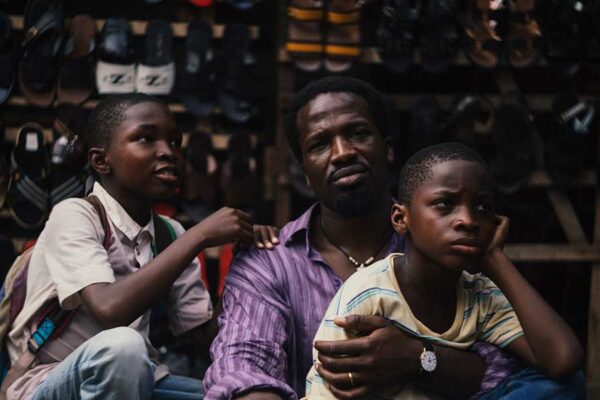
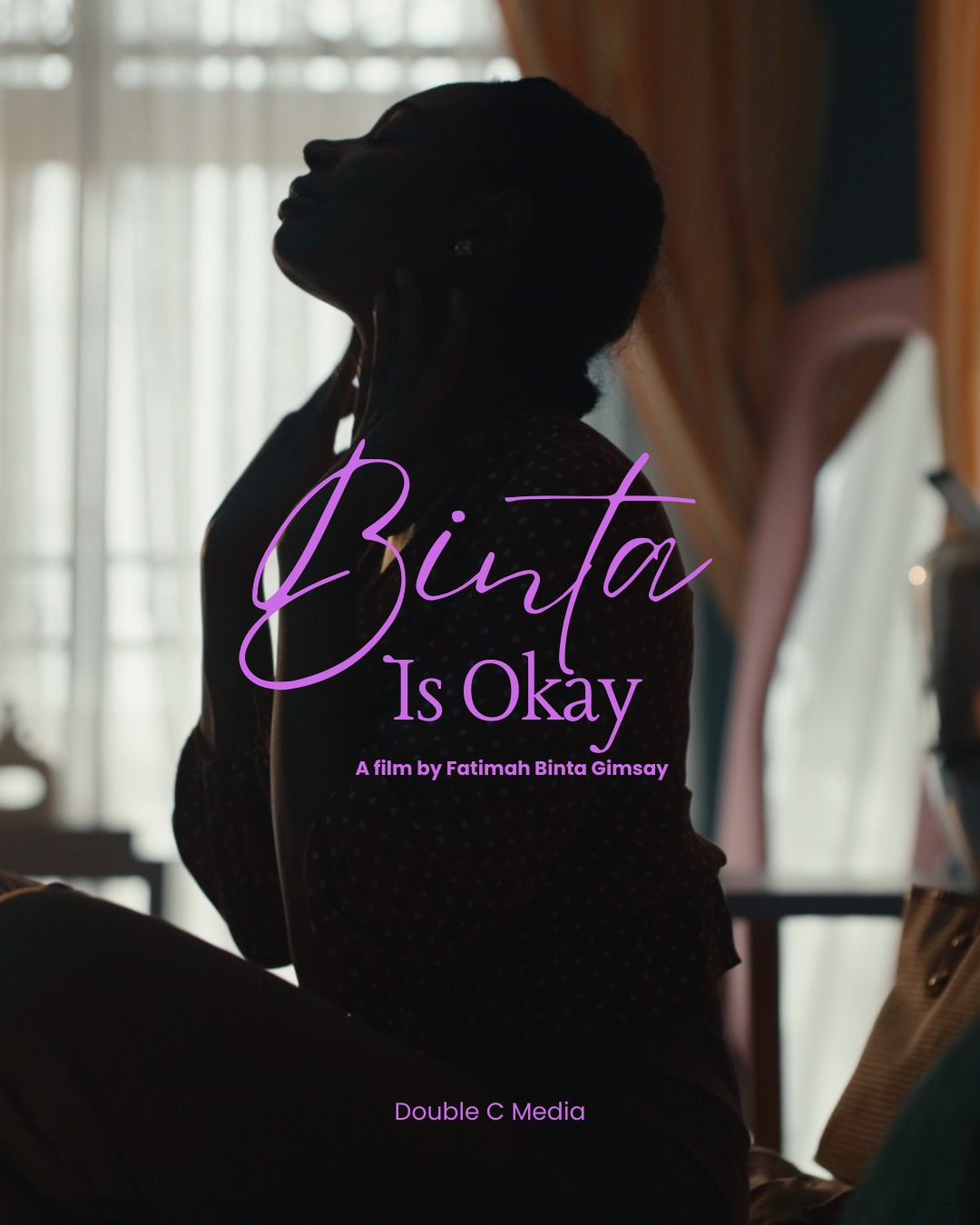
The wait just got real for “Binta Is Okay.” Following its first-look announcement on Democracy Day, June 12, 2026, the short film now has a trailer, released on October 4, days after Nigeria’s 66th Independence Day. Fresh off the success of her debut feature film, Black Market, filmmaker Fatimah Binta Gimsay is back in the spotlight, reigniting interest in her next project.
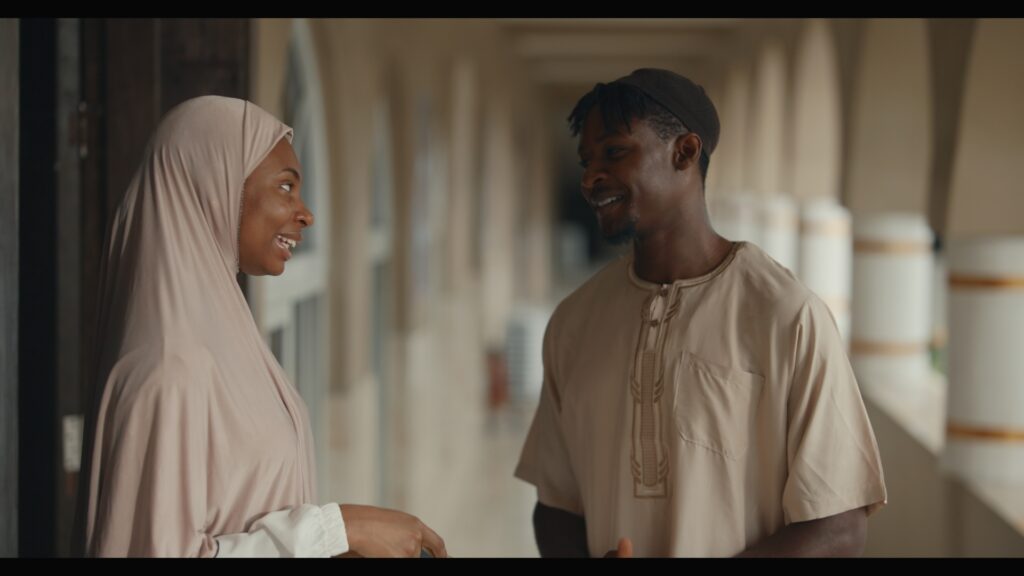
Starring Susan Pwajok, Tolulope Asanu and Mallum Arik, Binta Is Okay follows a young woman navigating faith, sexuality, her body and her relationship with her mother.
But while those themes may sound familiar, Gimsay tells OYA Magazine that she didn’t want to present Binta’s story as a simple conflict between religion and sexual exploration.
“Being both a woman and a Muslim was already something I considered when we approached this story,” says Gimsay. “The intention was to present the story without demonising faith or glamourising sexual exploration.”
Yet the response to Binta has extended beyond the experience of Muslim women.
Gimsay says she has received feedback from women of different faiths who have found something relatable in Binta’s journey — a response that speaks to the film’s larger intention to speak a universal language beyond its religious representation.
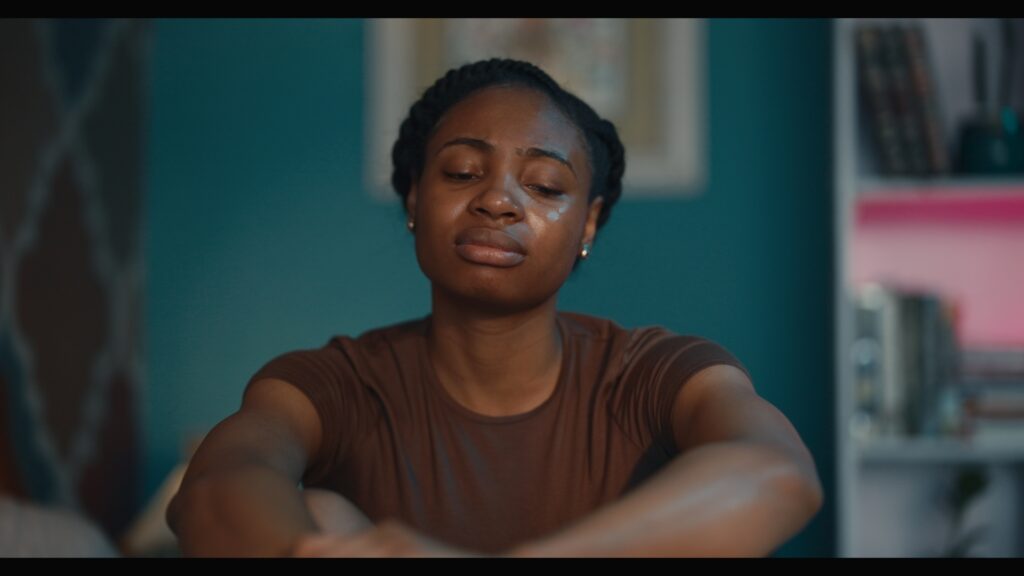
The story may be centred on a Muslim girl, but Binta Is Okay is not necessarily a film about Islam. Instead, it uses Binta’s specific experience to examine something broader: what happens when a young woman begins to understand her body, her sexuality and her choices while living within the expectations of family, faith and society.
Rather than treating Binta’s experiences as extraordinary, Gimsay wanted to hold up a mirror to ordinary life.
“It was simple to mirror society back to itself,” she says. “These are very normal activities, and they only seem heightened for pop culture, but the average person has a phase where they explore their bodies, and sometimes, it gets ugly.”
That ugliness is part of what makes Binta interesting.
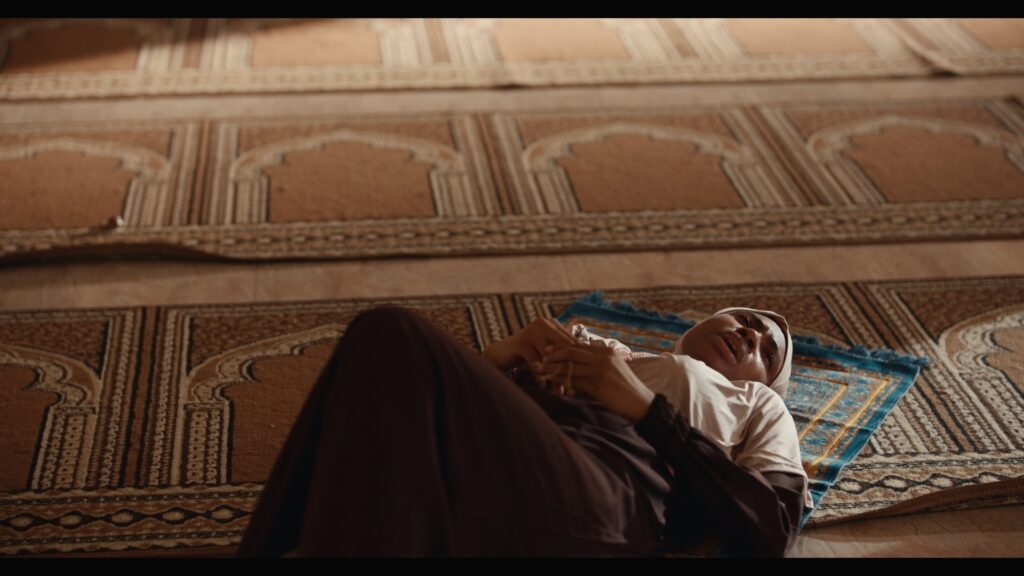
She does not begin her journey questioning whether she belongs to her faith. According to Gimsay, Binta never even recognises that what she is experiencing is supposed to be taboo.
“With Binta, she never clocked that this is a taboo,” Gimsay tells OYA.
And that, perhaps, is one of the most revealing things about the character.
Binta’s faith does not collapse because she explores her sexuality. Her identity does not suddenly become a battle between being Muslim and being a young woman. Instead, the tension emerges when someone else begins to place an interpretation on her experience.
“Her faith was never shaken and the only time she was bothered was when her mother started projecting on her,” Gimsay says.
That distinction changes the way Binta Is Okay can be read.
It is not simply the story of a young Muslim woman caught between faith and sexuality. It lives in the space between who she believes she is, who the people around her insist she should be, and who she finally chooses to become. That tension can also be read as a question of freedom: the freedom to define yourself from within, and the freedom to stand against the voices that try to define you from the outside. In Binta’s case, being okay is not a starting point; it is something she has to claim.
And that may explain why Gimsay says women from different faith backgrounds have connected with Binta.
From collaboration to a creative community
The film also arrives at an interesting point in Gimsay’s career.
Since Binta Is Okay completed its principal photography, the filmmaker has moved into a new chapter with Black Market, her feature directorial debut. That film brought Gimsay into a much larger conversation, but Binta Is Okay offers audiences an opportunity a more intimate story from the filmmaker.
Behind both projects is also a recurring creative network — people Gimsay has worked with across different productions.
But she tells OYA that community was not really something she deliberately set out to build.
“To be honest, it wasn’t intentional,” she says. “I found myself a little lost and simply eager to figure out a new space.”
That new space was film.
Gimsay says she was fortunate to have people invite her onto projects, gradually introducing her to collaborators and to the filmmaking community.
But finding the right people was not always straightforward.
“Collaboration is tricky and risky; it can ruin friendships and projects,” she tells OYA.
She has experienced collaborations where individual egos clashed with the idea of community, while also finding people who were able to think beyond themselves and focus on the bigger picture.
For Gimsay, getting to the creative relationships she has today has been less about a carefully constructed plan and more about trial and error.
“I’ll say it’s been trial and error to seemingly get to what currently feels like a sweet spot,” she says.
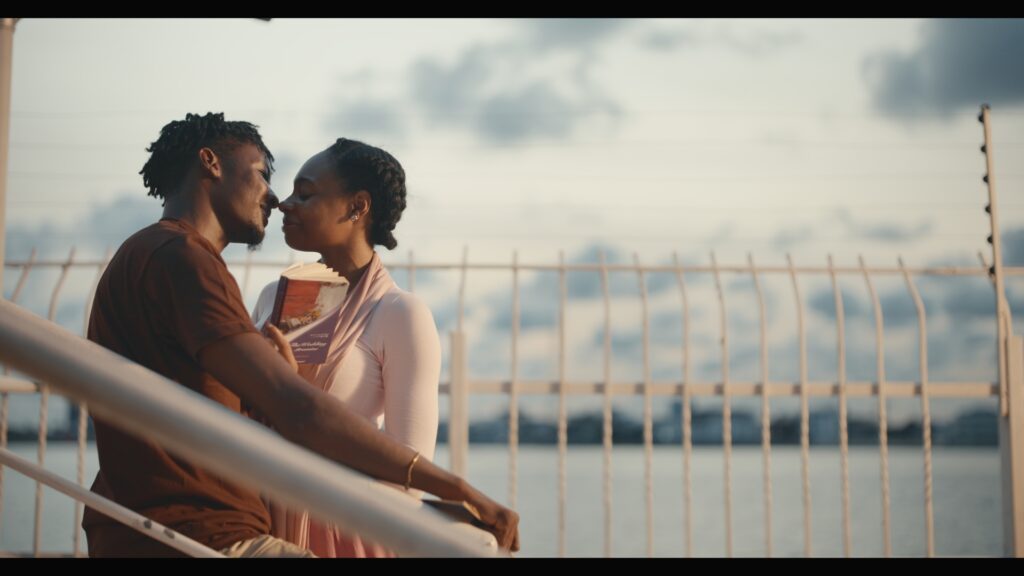
So, when is Binta Is Okay coming?
When can audiences watch the film?
For now, Gimsay isn’t giving away the date.
Speaking to OYA about when and how audiences will finally be able to see Binta Is Okay, the filmmaker is keeping that part close to the chest.
“I’m excited that people are anticipating this and I don’t want to say too much out of excitement,” she tells OYA. “But just keep an eye out for Binta Is Okay. All will be revealed soon.”
So, no date yet.
But the trailer has arrived, anticipation is building, and after moving from short films into feature filmmaking with Black Market, Gimsay is bringing audiences back to a story that has been waiting in the wings.
And if her conversation with OYA is anything to go by, Binta Is Okay may be less interested in telling audiences what to think about Binta than in asking them to recognise something of themselves in her.
For now, we’ll be keeping an eye out.
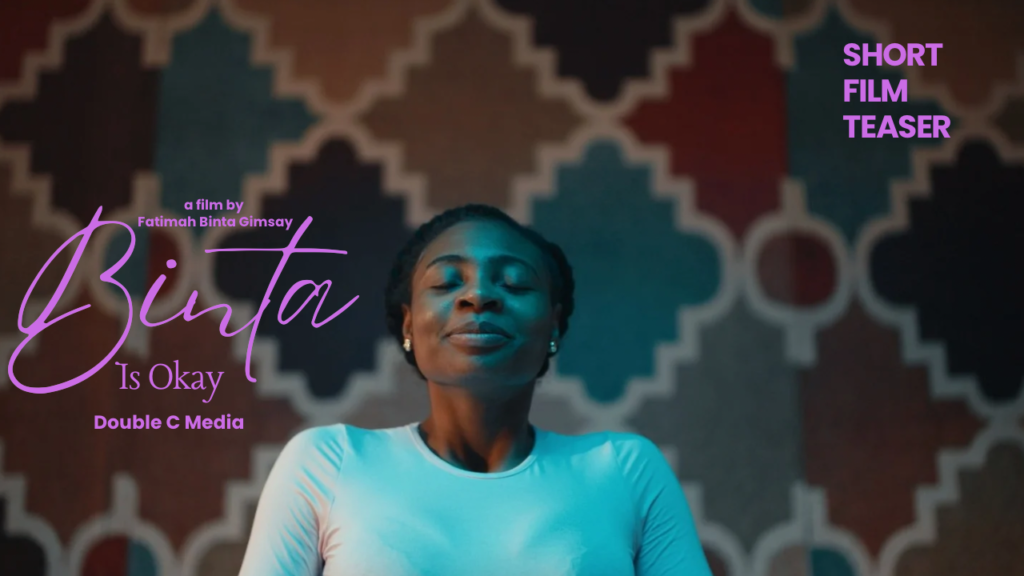
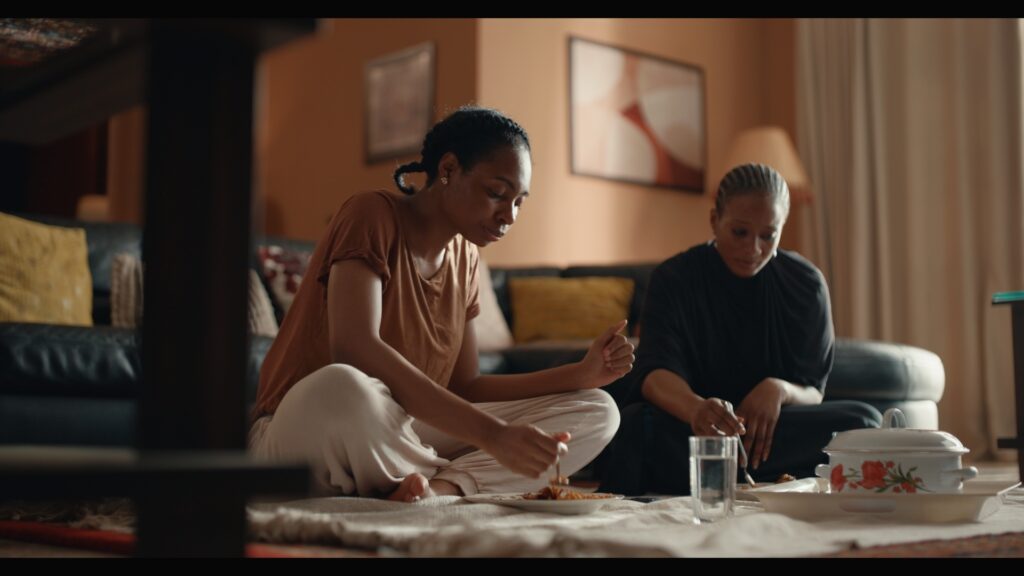
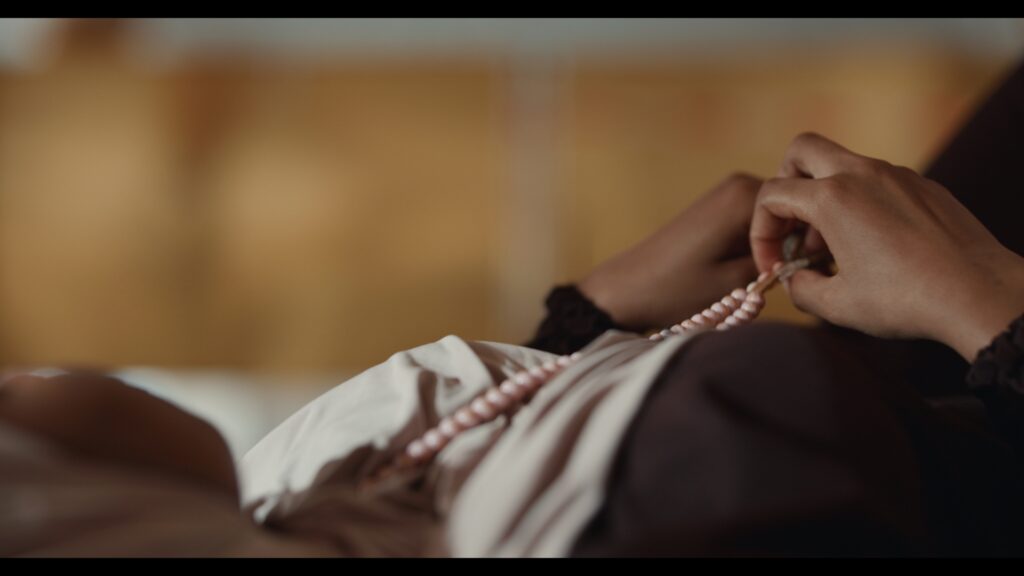
Image credit: Courtesy of Fatimah Binta Gimsay.
Key Crew Credits
Executive Producers: Susan Ganchung Pwajok & Fatimah Binta Gimsay for Double C Media
Producer: Nicole Ofoegbu
Writer & Director: Fatimah Binta Gimsay
DOP: Nora Awolowo
Production Designer: Chris Udomi
Editor & Trailer: Laughter Ephraim
Colourist: Chinenye Akunna
Gaffer: Onaopemipo Oluwole