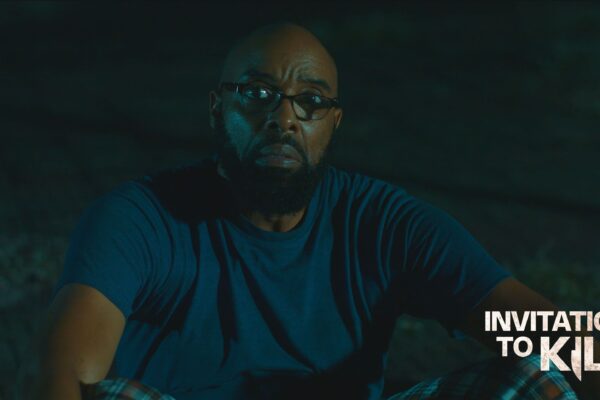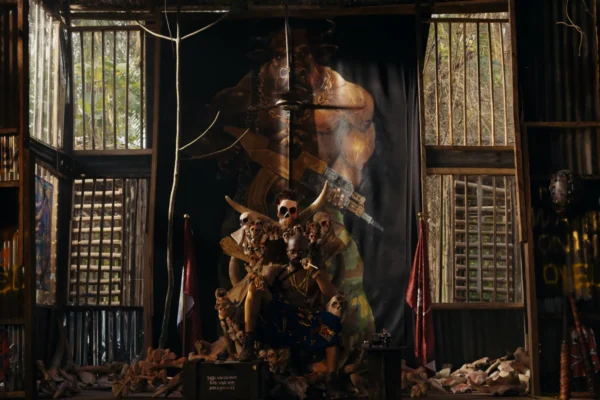
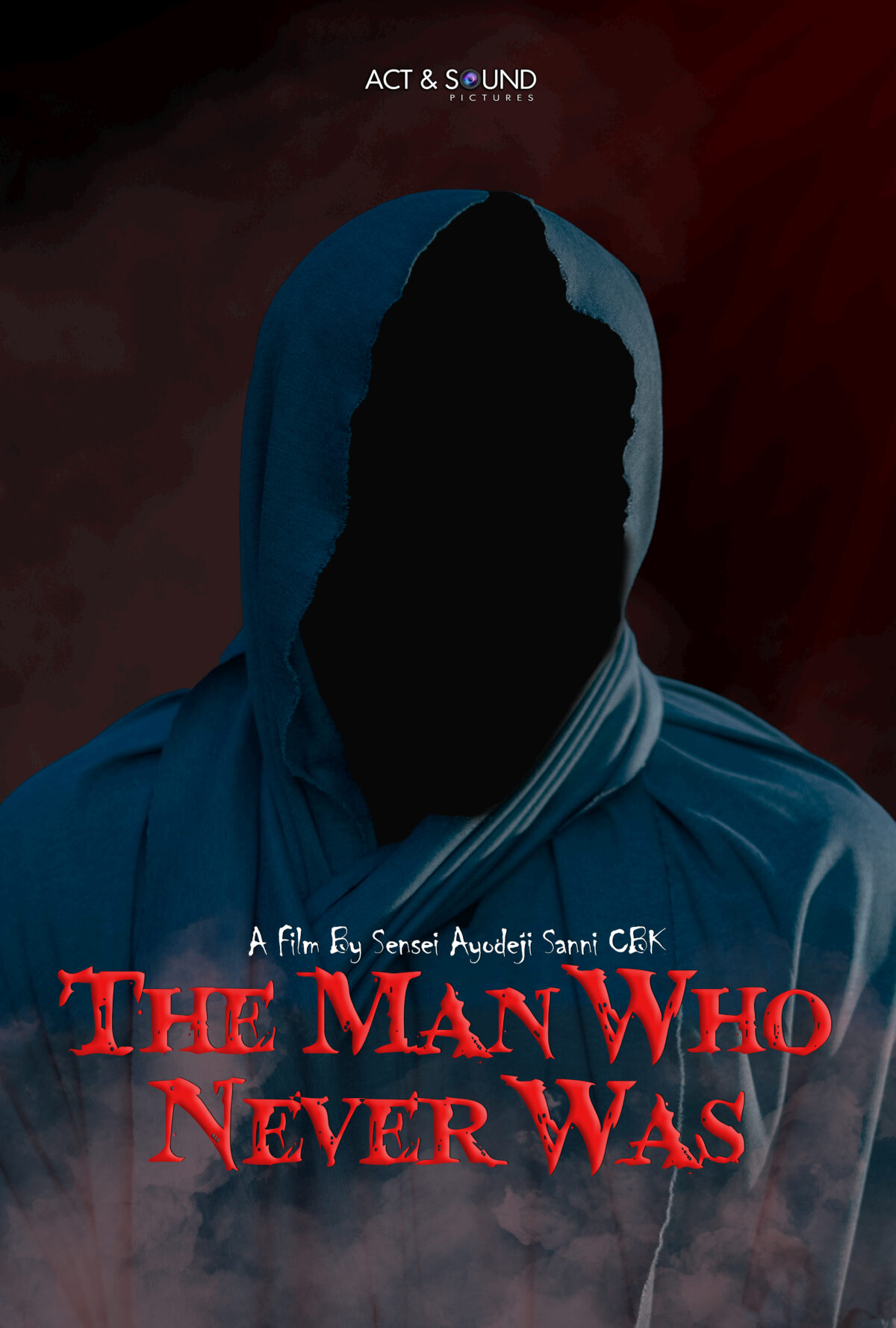
A film production doesn’t always begin with a studio, an established production company, or the backing of an institution. Sometimes, it begins with a handful of people who believe strongly enough in a story to put their individual skills, resources, and ambitions behind it. In the case of The Man Who Never Was, an international group of independent filmmakers came together to tell a story about grief, identity, African spirituality and the supernatural. The film has now earned recognition at the 2026 Africa Movie Academy Awards (AMAA).
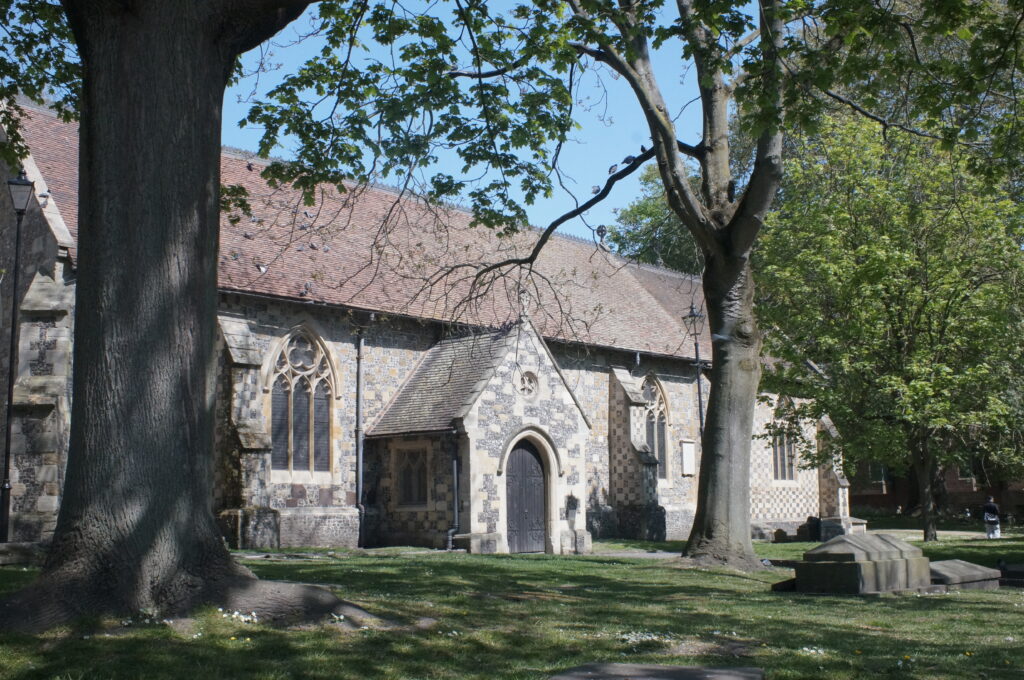
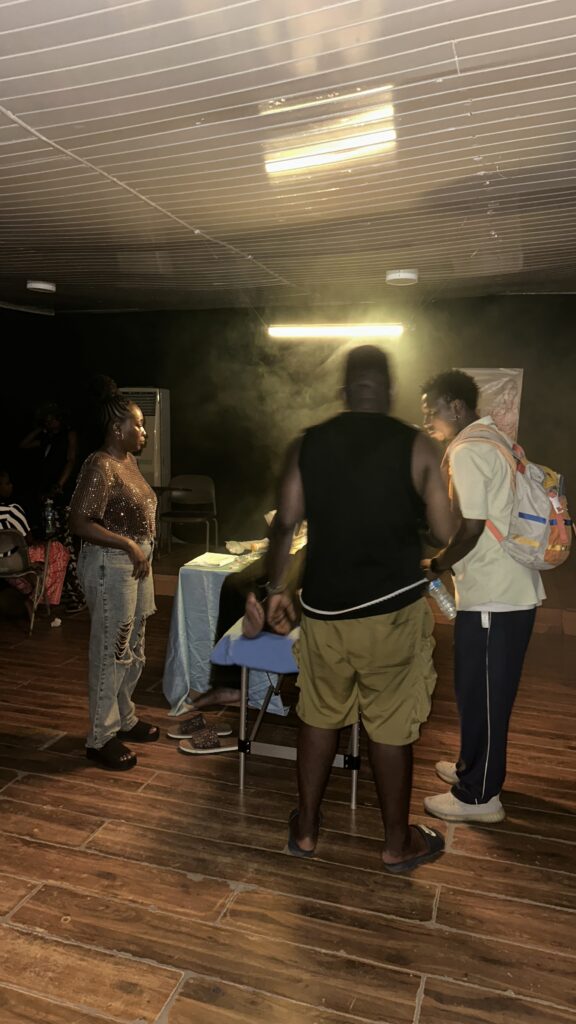
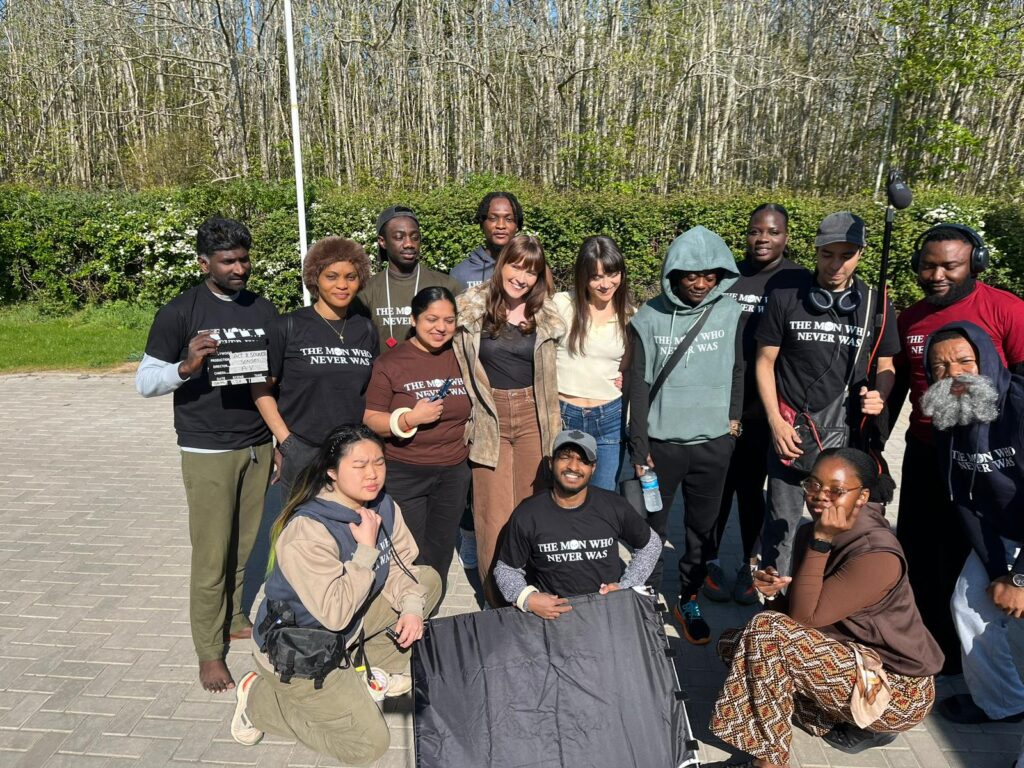
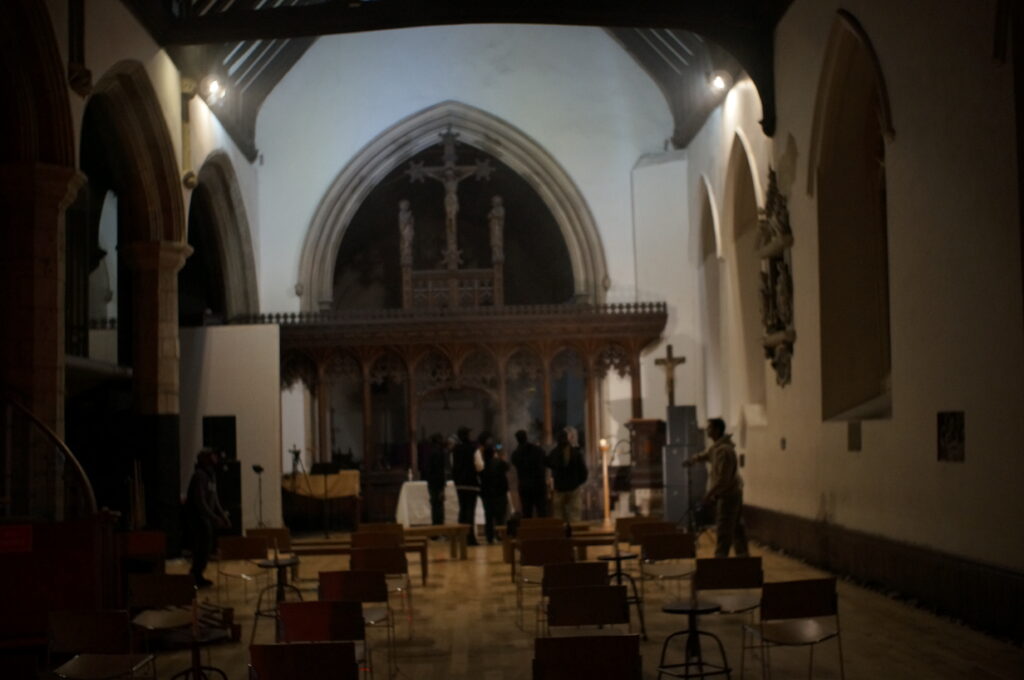
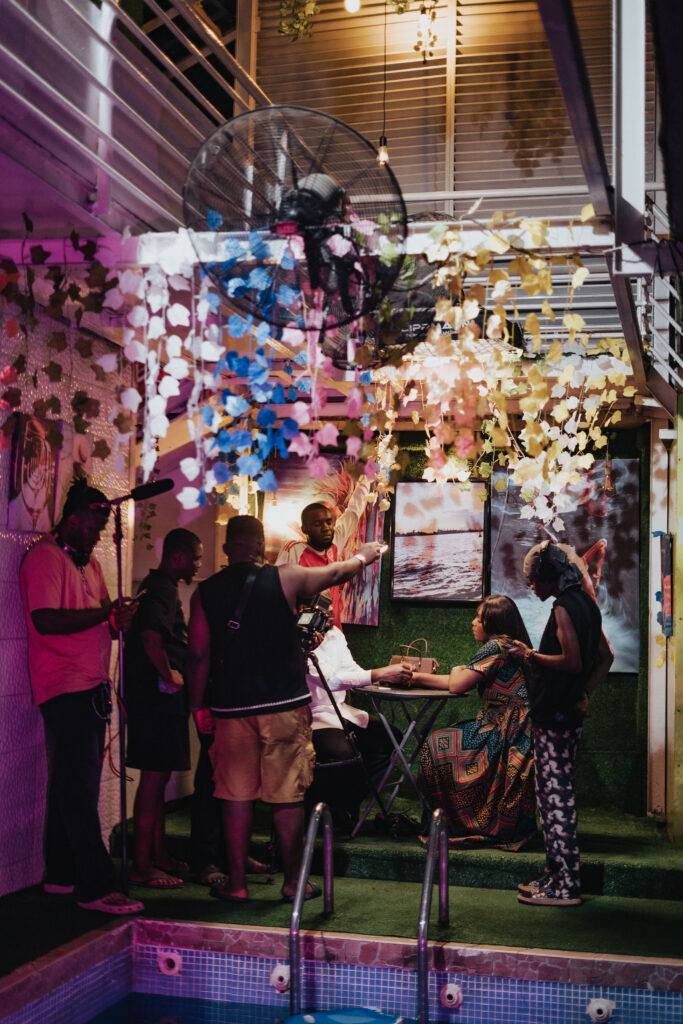
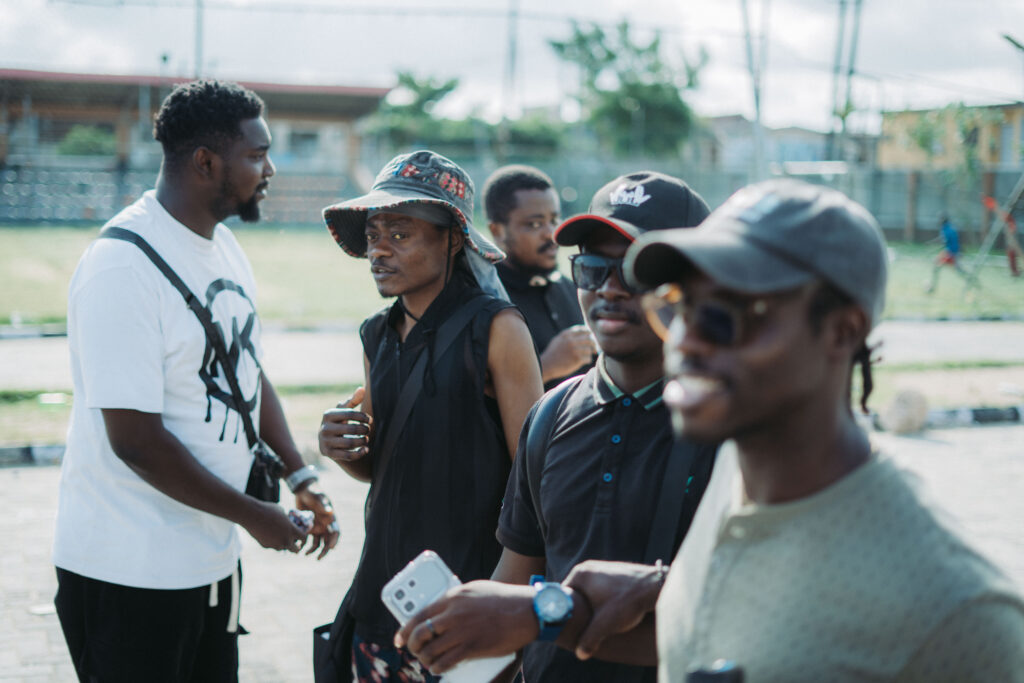
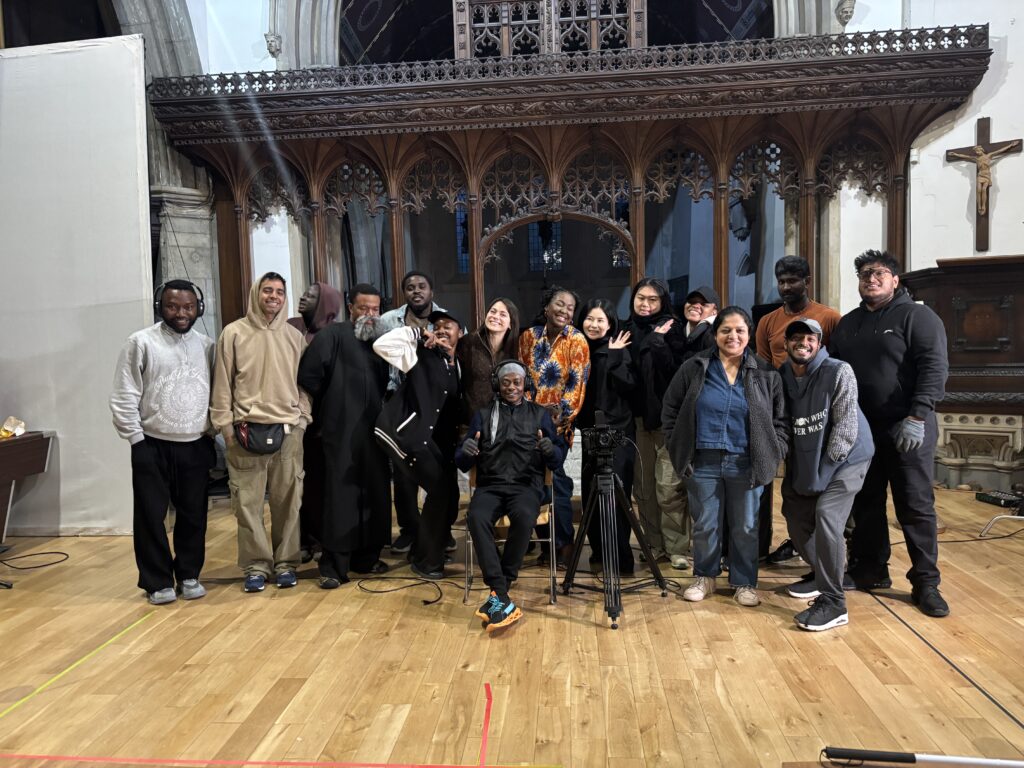
Shot across the UK, Nigeria and Morocco, the film brought together a collective of creatives who pooled their skills, experiences and resources to realise a shared vision. Without the backing of a major studio, they navigated the demands of a cross-border production, finding ways to make their individual contributions count towards a common goal.
With the film earning an AMAA nomination while still in post-production, the recognition offers a moment to look beyond the film itself to the collective effort and commitment that made it possible.
The Story they set out to tell
The story follows Natasha Whyte, whose husband mysteriously disappears from their London home. Her search for answers unleashes a series of mysteries. With every trace of his existence seemingly erased and strange visions haunting her, Natasha is drawn into a world where reality, faith and the supernatural collide.
The film was shot across London, Lagos and Morocco. From the planning stages, the team treated each location as an active presence in the narrative, shaping character, mood and meaning rather than simply providing a backdrop for the action.
At its heart is a story that draws on African spirituality, questions of identity, psychological tension and the supernatural. Its themes also reflect the adjustments, expectations and quiet costs of building a life away from the place once called home. These experiences resonated with an international group of filmmakers, many of whom also live outside their countries of origin.
Rooted in a specific cultural context, the film explores emotions that audiences can recognise beyond it. Its creative choices were guided by a desire to let audiences experience the film’s world rather than merely observe it.
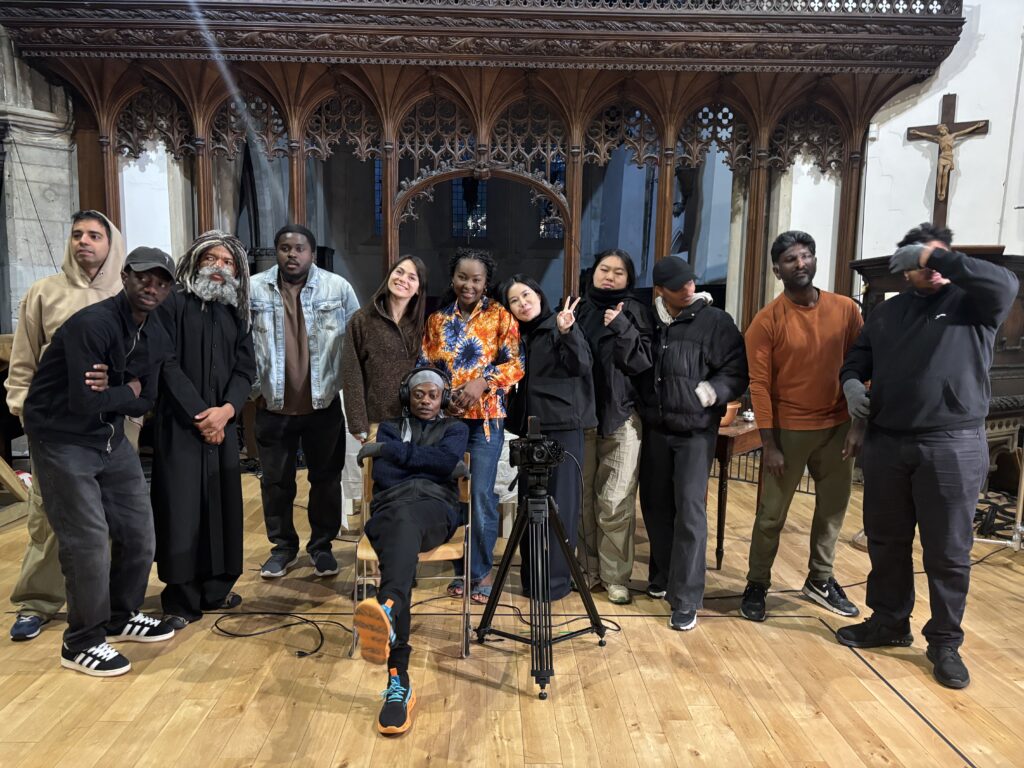
Building the Collective
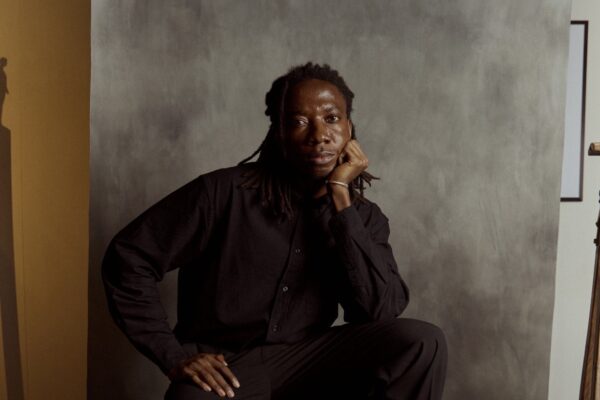
The film began with two people: Ayodeji Sanni, professionally known as Sensei Ayodeji Sanni CBK, who brought the original story idea, and Chikamma R.C., who joined him in setting the project in motion.
Sensei eventually assumed the roles of director and producer, while Chikamma became a co-producer. Eric Ihaza and Eghoghon Sarah Ifidon joined the project as producers. As the idea developed, others gradually came on board, expanding what had started as a partnership between two creatives into a wider filmmaking collective.
When people read the script, they recognised something in it that made them want to be part of the work. Although schedules and other commitments kept some away, those who joined brought a level of commitment that often went beyond what they had originally agreed to do.
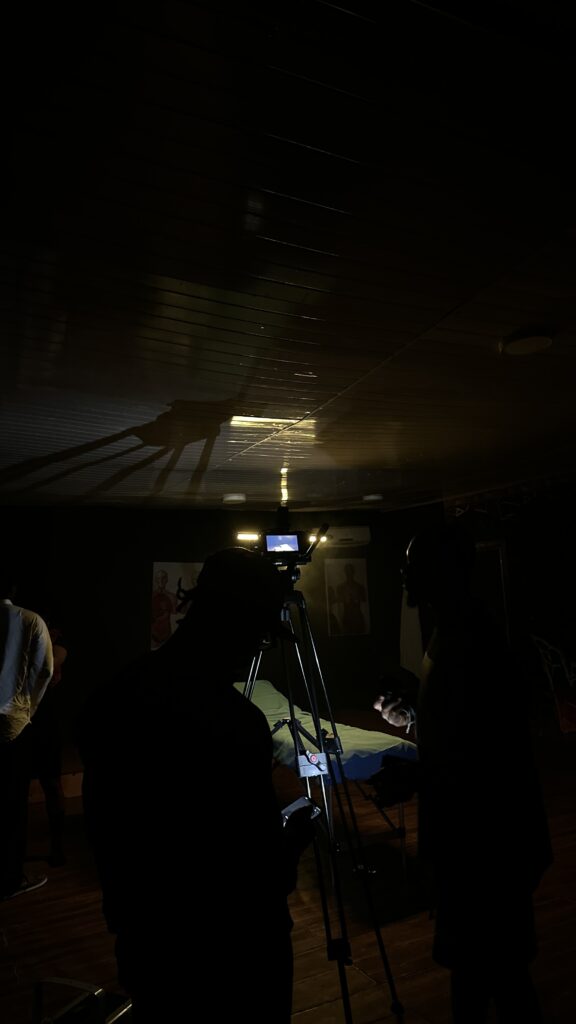
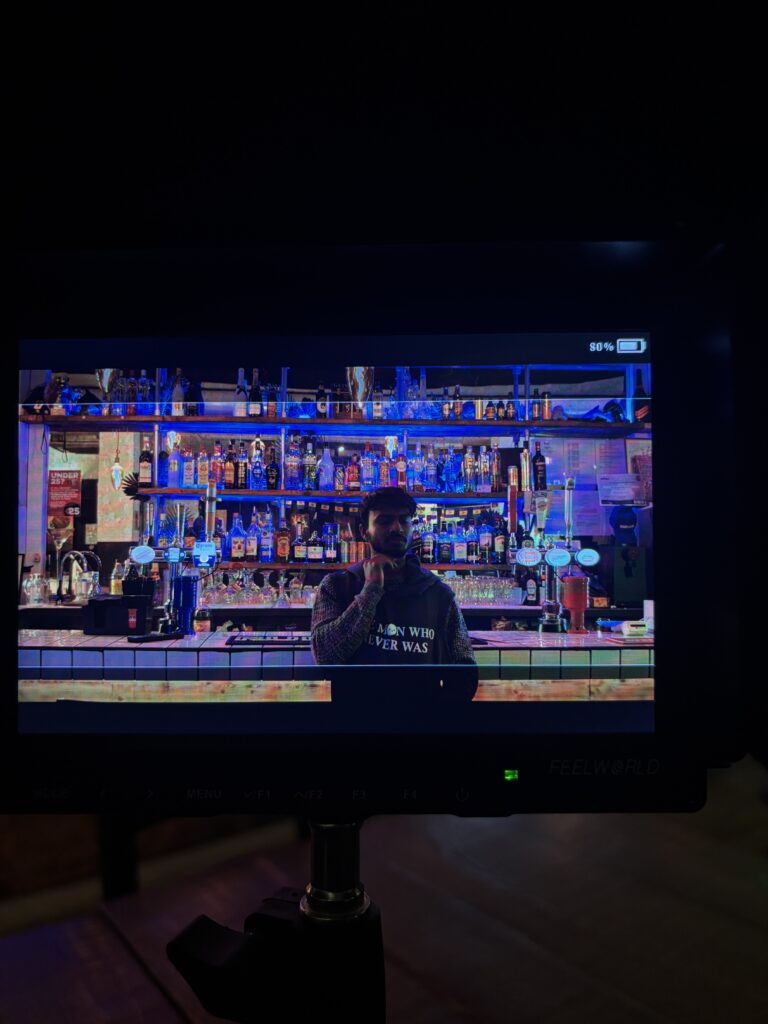
What followed was less a conventional production hierarchy and more a group of independent filmmakers and creatives deciding that the story was worth the effort. Almost every executive producer also worked on the crew. Xinge Yu, a Chinese filmmaker based in the UK, handled lighting on the UK shoot while serving as an executive producer. Similarly, Yasassri Edirisinghe (Yaxa), a Sri Lankan filmmaker based in the UK, worked on lighting and later took on colour grading.
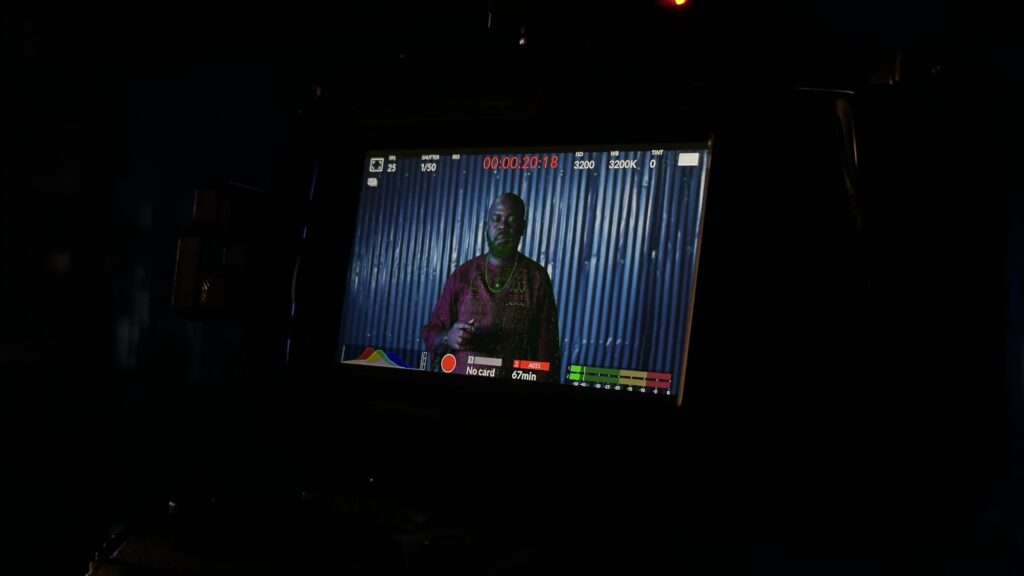
Chikamma also took on a major acting role alongside his work as co-producer. Sarah wrote, produced, assistant-directed and managed production in the UK. Eric Ihaza led costume design across the Nigerian and UK sides of the shoot, while Priscilla Chiemerie Anachu managed wardrobe in both the UK and Nigeria. Sensei wrote, directed, served as director of photography, edited and co-produced the film. The executive producing team also included Adeola Adeshina, a Nigerian based in the United States, and Fimisinuoluwa Adejonwo, based in Nigeria.
When a group takes a consistent, intentional approach like this, it reflects a working attitude shaped by one question: what can I do to help make sure this film gets made?
The responsibilities were shared, decisions were collaborative, and team members regularly stepped outside the boundaries of a single job description. The result was an international collective that pooled skills, experience and limited resources around one aim: telling a story without waiting for a major studio to validate it first.
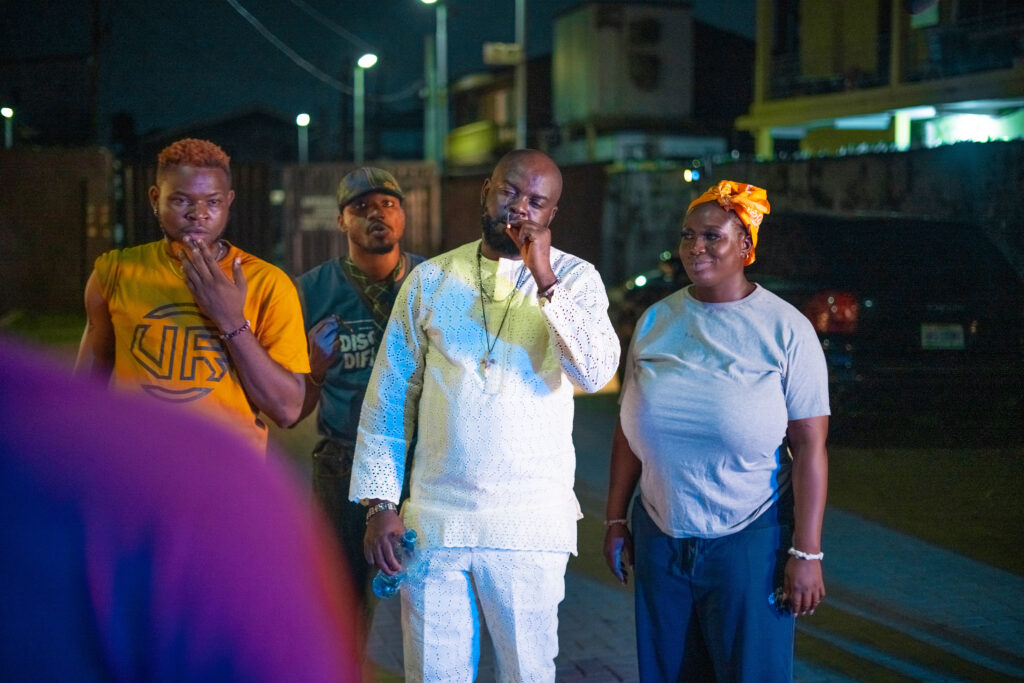
An Ambitious Journey
Making a film across three countries on independent resources required more from everyone involved than a conventional production might. The team often joked that they had all “cut their coats oversize” that year, inspired by a song, as they took on a scale of work that pushed them to grow into the challenge.
There were complicated days, as there will be on any ambitious project. The opening scene, scheduled for the first day of the UK shoot, had to be postponed because of rain. It was eventually captured on the final day, when time, energy and travel plans were already under pressure.
Differences of opinion and moments of frustration also surfaced. However, the team continued to adapt, setting aside personal preferences when necessary and focusing on what best served the film. The commitment of the cast and crew across the three countries also helped keep everyone invested in the project.

AMAA and the Road Ahead
For The Man Who Never Was, the journey has already produced a significant milestone. Still in post-production, the feature earned a nomination in the Best Film by an African Living Abroad category at the 2026 Africa Movie Academy Awards. The announcement came as a pleasant surprise to the filmmakers.
“We were never in doubt about the film we’ve created. We’re incredibly proud of it and can’t wait for audiences to experience it,” says Sensei Ayodeji Sanni CBK. “The nomination is particularly meaningful because it tells us that the work resonates beyond the people who made it; someone else has seen what we’ve created and recognised its value.”
The category is particularly fitting for a film rooted in African spirituality and cultural experiences while exploring questions of identity and belonging that extend beyond geographical boundaries.
The recognition has given the team renewed motivation as they approach the final stages of post-production. Although the film is nearing completion, they are taking their time to ensure the finished work meets their expectations. As the director puts it, “Food wey go sweet, we dey cool down prepare am.”
No premiere, theatrical release, streaming or festival dates have been confirmed. The collective intends to share further details as preparations progress. For now, completing post-production remains the priority.
Although there are no immediate plans to become a formal production outfit, the collective remains open to future collaborations. For a group that began with two filmmakers, The Man Who Never Was has become a significant milestone, earning continental recognition while giving its makers greater confidence in the stories and projects they can pursue together.