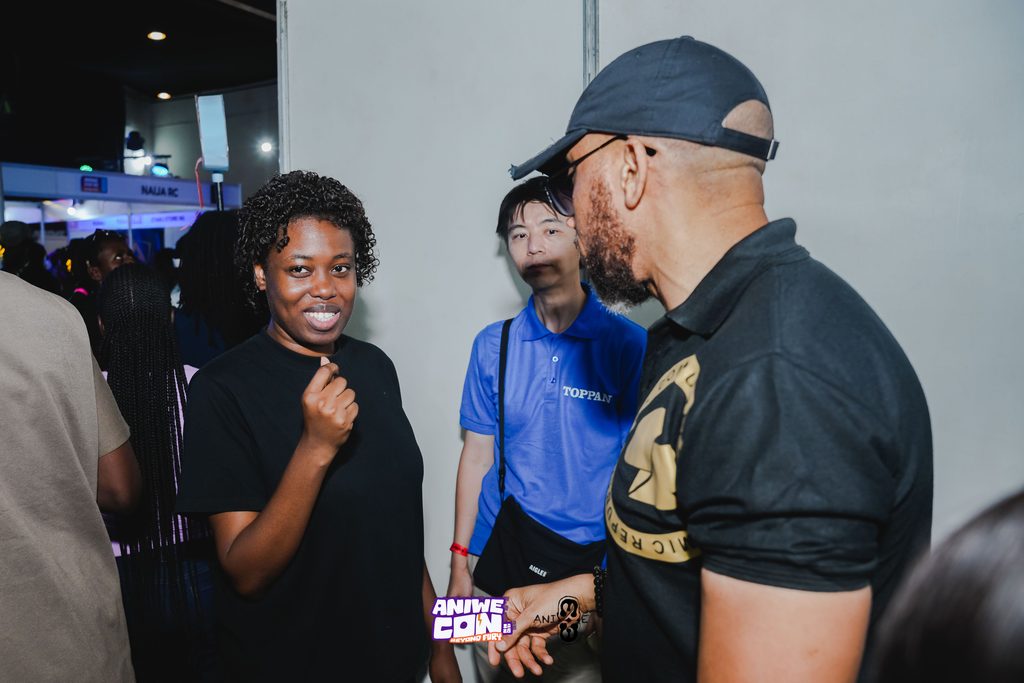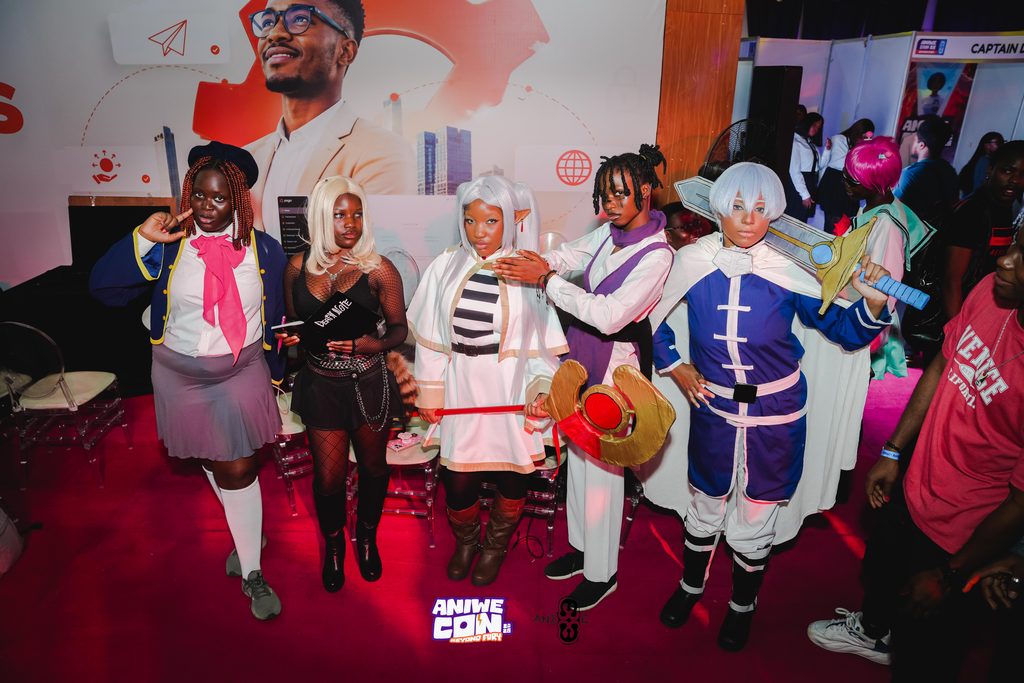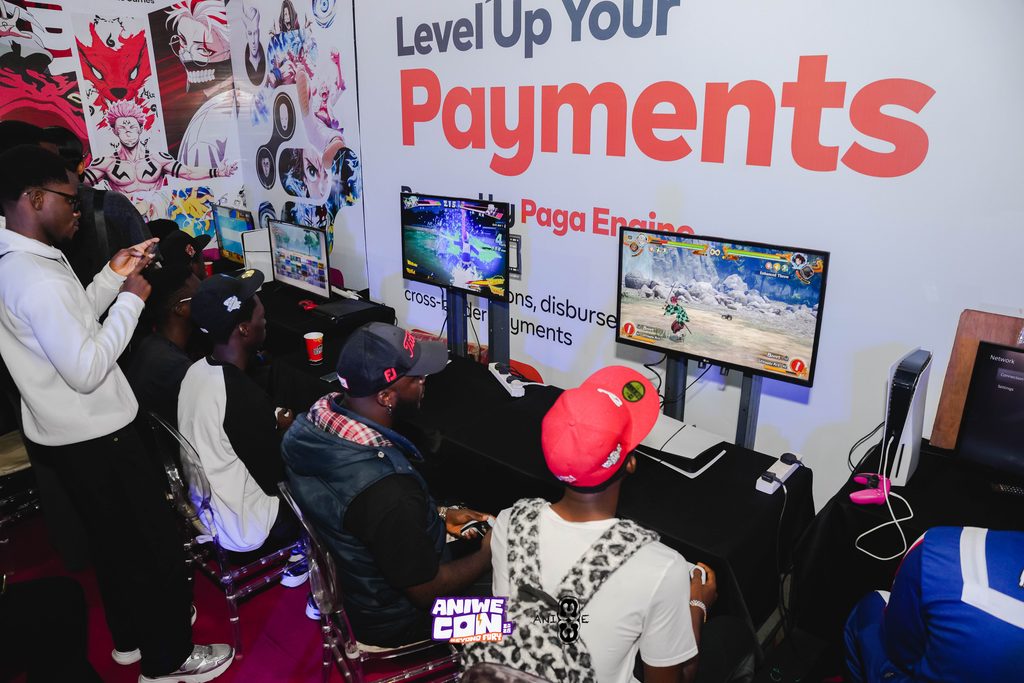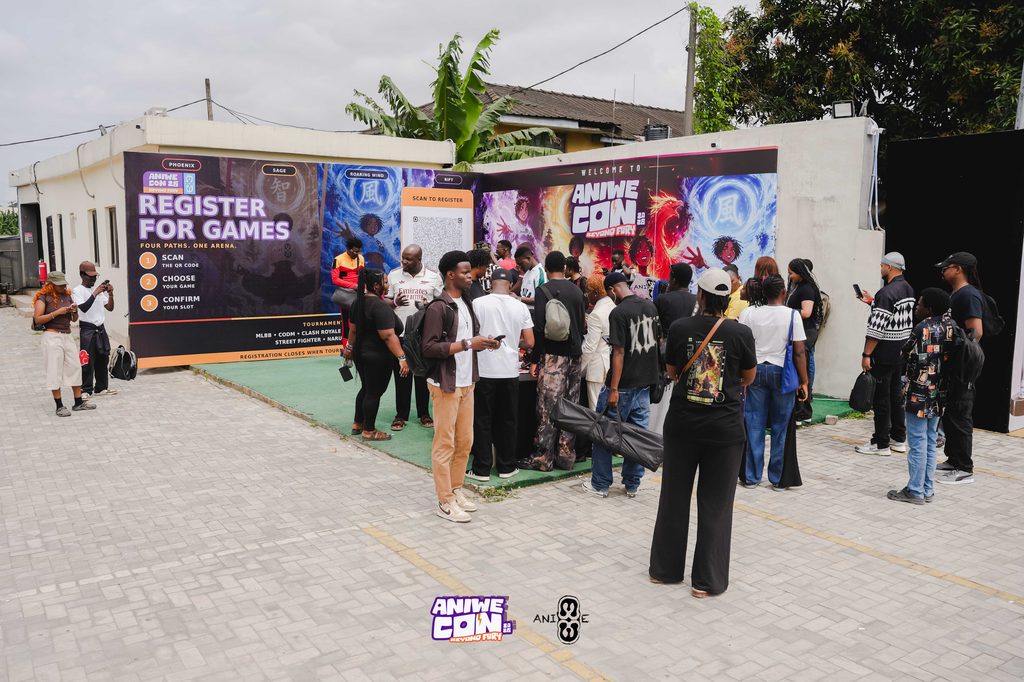
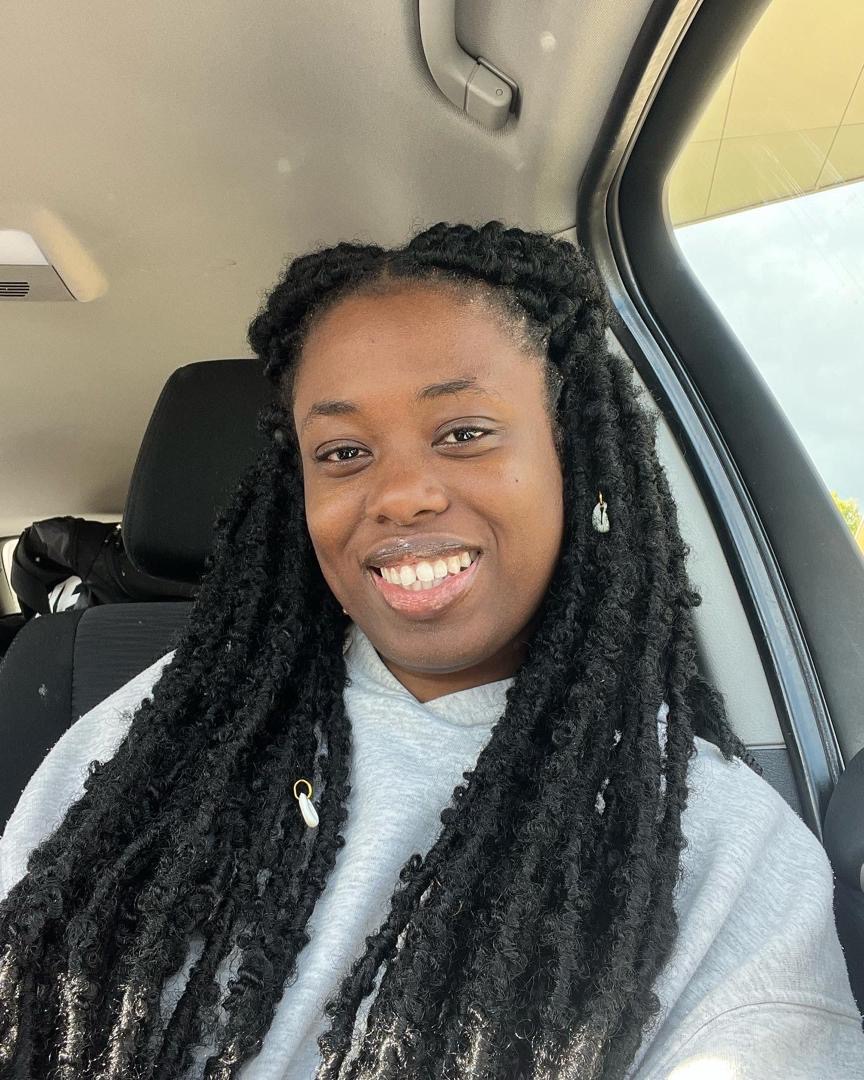
Following AniWe’s 2026 annual convention on August 15, 2026, OYA Magazine spoke with AniWe lead Omotanwa Gbadebo about what Nigerian filmmakers can learn from anime’s global growth and the opportunities for deeper Japan-Africa entertainment exchange.
AniWe is one of Nigeria’s largest anime and gaming communities, bringing together fans, creators and industry players around anime, gaming and pop culture.
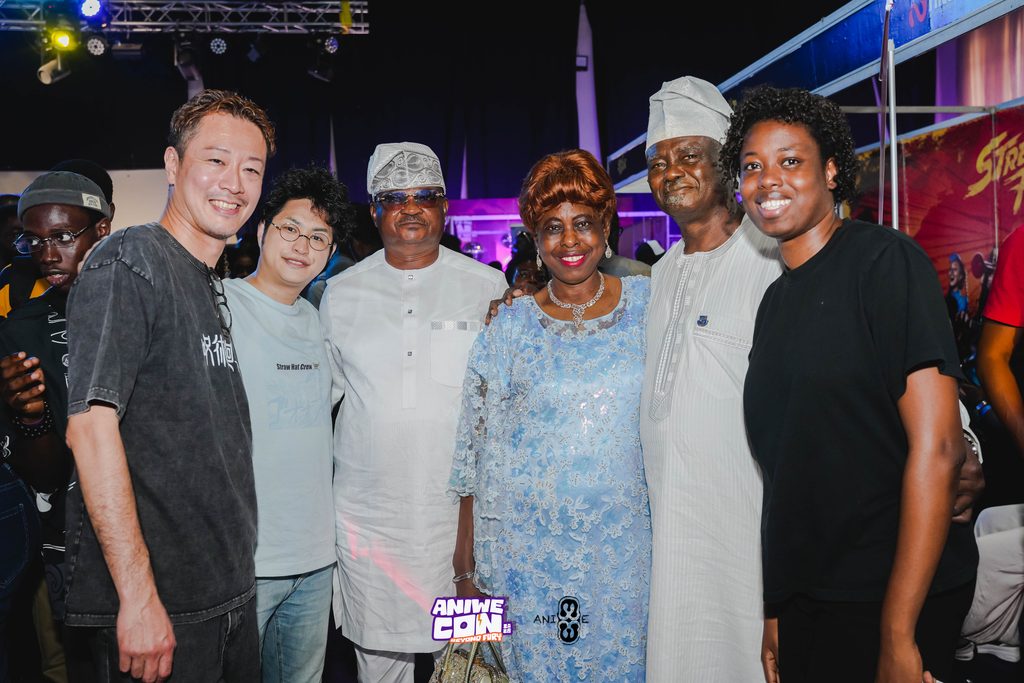
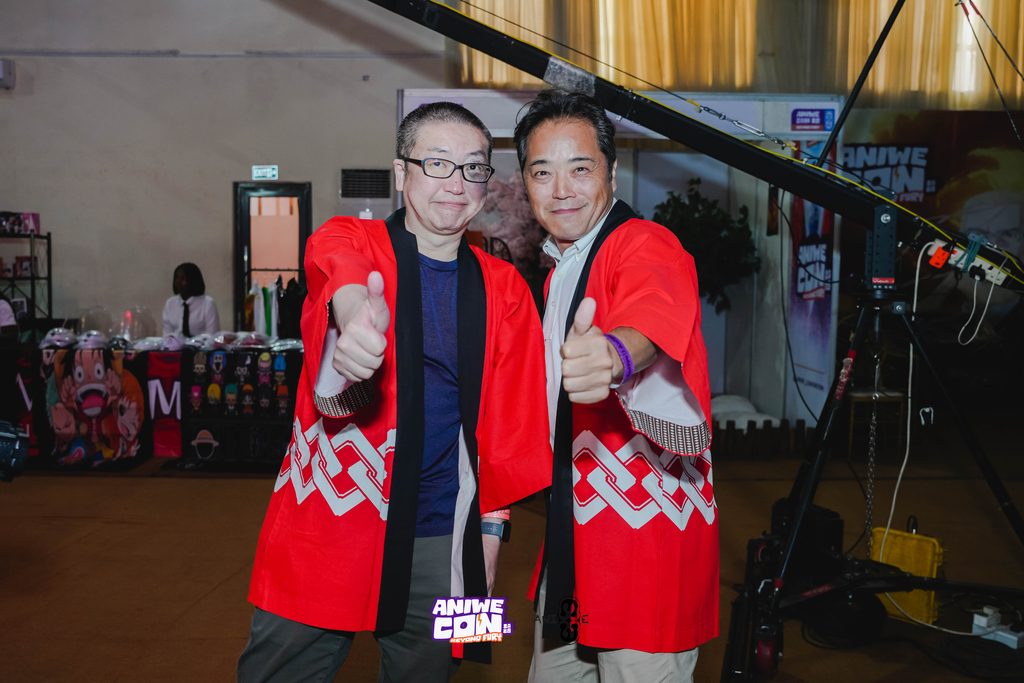
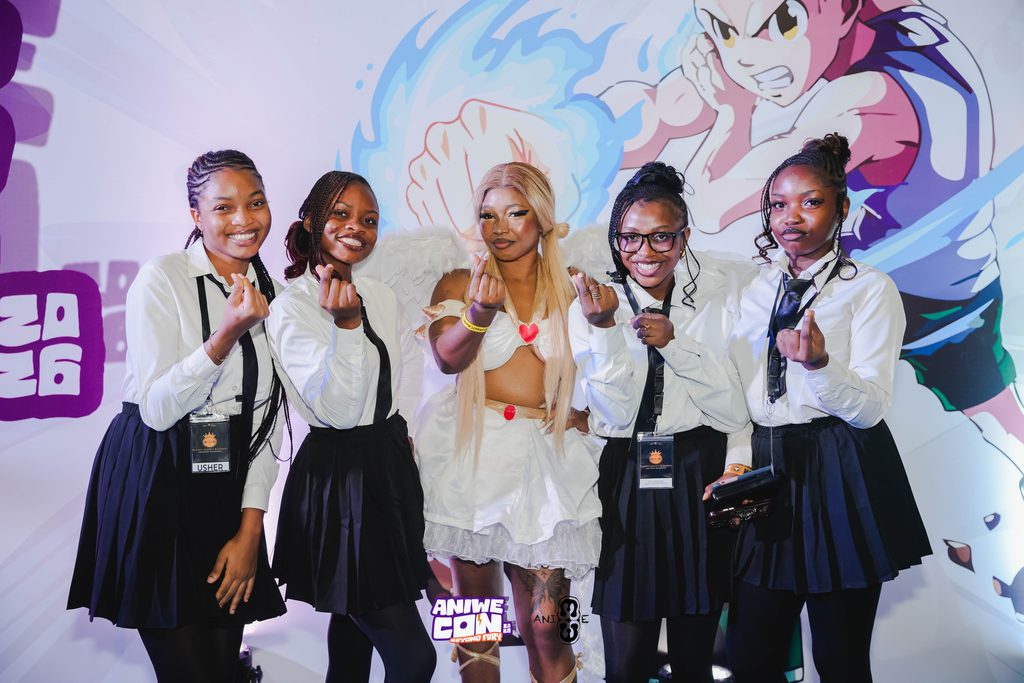
Gbadebo says the first lesson isn’t about style. Anime did not win a global audience because of a few good projects, but because thousands of them reached beyond Japan into Africa and the West.
Anime’s global reach, she argues, came from volume, consistency and distribution beyond Japan, not a handful of standout titles. Its audience grew from thousands of shows that reached well past Japan into Africa and the West.
For Gbadebo, it starts with storytelling. In her view, anime keeps its culture embedded in its stories, and that specificity is what draws outside audiences in rather than shutting them out.
Viewers do not need to be Japanese to find the stories compelling, she says; the cultural detail is part of what makes them fascinating. Gbadebo also sees a creative link between Yoruba and Japanese storytelling traditions, one she believes is worth exploring further.
Animation quality is the second lesson. She’s direct about where Nigeria currently stands; the scale and quality coming out of Japan’s biggest studios is, in her view, on another level. She believes Nollywood needs to build deliberately toward that standard rather than treat it as a distant benchmark.
She groups that with another craft she thinks deserves more attention: voice acting, which she names as one of the specific skills Nigerian creatives should be studying.
The third lesson, she says, is about presence. In Japan, anime is not confined to screens; it’s on trains, painted across city walls, folded into everyday public life until it becomes inseparable from the culture itself.
That kind of saturation doesn’t happen by accident, Gbadebo argues, and it’s a marketing lesson she believes Nollywood hasn’t fully absorbed yet.
None of this is her writing off Nollywood’s momentum. Nigerian film and music are already finding global footing, she says, just not yet in Japan, which she names as one of the few major markets still largely untapped.
She points to how quickly Nigerian film and music picked up attention elsewhere as proof the industry already knows how to build outward; the missing piece, in her view, is directing that same instinct towards Japan.
That gap is part of why the Japan-Africa Entertainment Business Council matters to her. Established in Tokyo in November 2025, with a regional office in Lagos, JAEBC is a nonprofit platform that connects Japanese entertainment companies and IP holders with counterparts across Africa’s music, film, anime, gaming and fashion industries.
AniWe itself already has a confirmed partnership with the council, working toward a direct pathway between Japanese IP holders and Nigerian fans through licensed merchandise and curated content.
She highlights that the council could make anime more accessible locally while pushing Nigerian film, music and fashion into a market that hasn’t seen much of them yet.
For Gbadebo, the exchange only works if it runs both ways: Nigerian creatives must gain access, jobs and audiences in Japan, rather than just borrowing inspiration from it.