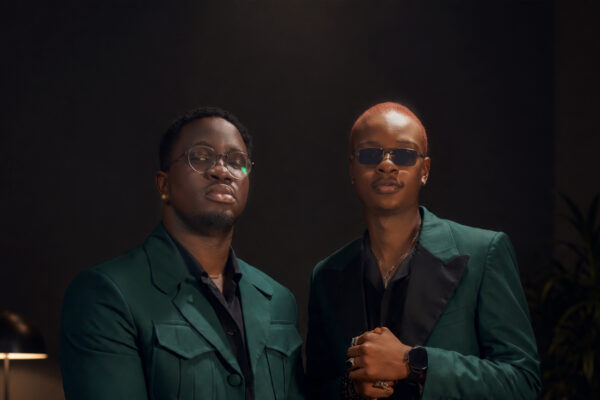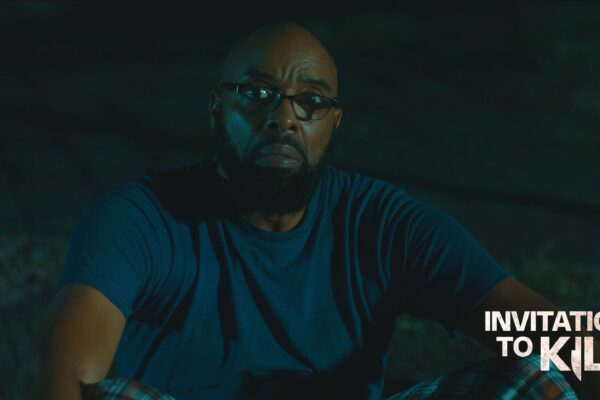
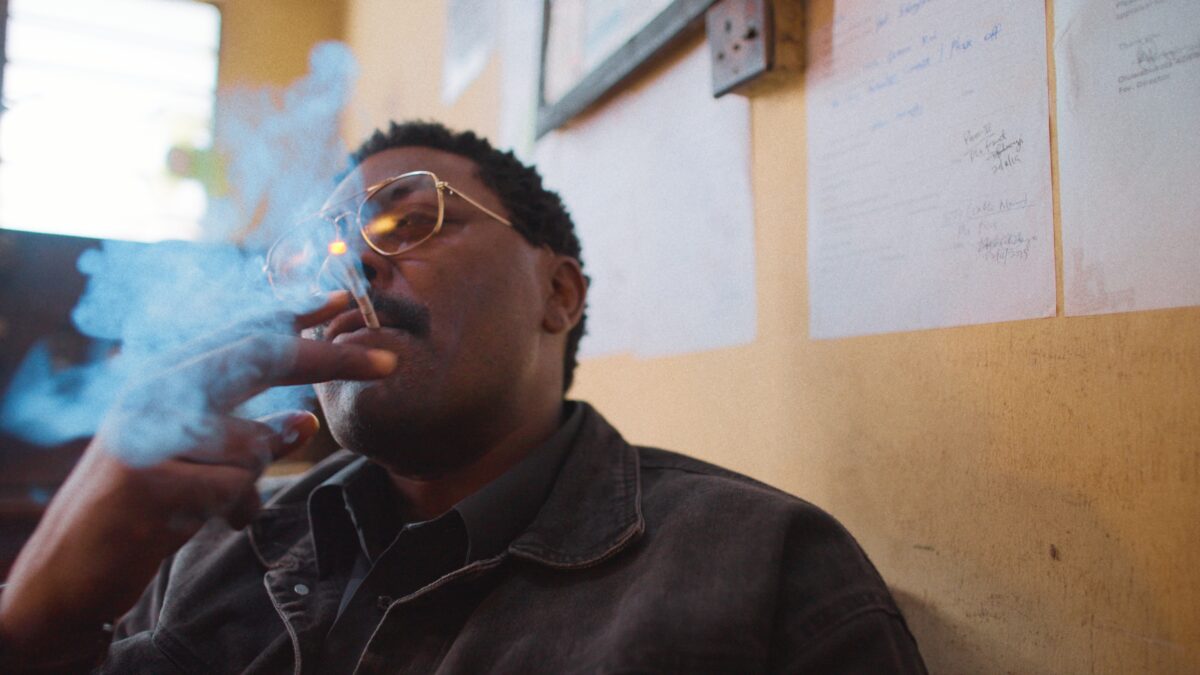
Nigerian screenwriter and director Taiwo Egunjobi has released first-look images from Bodija, his upcoming four-part limited series co-produced by Tayo Faniran Studios and Sable Productions.
The crime drama stars Edward Adeniran, Orenimi Olawuyi, Tayo Faniran, Martha Ehinome, Temitope Olaiya and Tobi Marho.
Bodija follows a university student whose failed cryptocurrency scam leaves him owing ₦10 million to a ruthless kingpin. Given 14 days to save himself and his family, he enters the city’s criminal underworld, where every choice demands a greater sacrifice.
In a written interview with OYA Magazine, Egunjobi discusses the inspiration behind the series, his relationship with Bodija and the collaborators who helped bring the project to life.
Why did you make Bodija, and what does the title mean to you?
I grew up in Bodija, so I’ve watched the neighbourhood change from what it used to be into what it is today. That transformation has always fascinated me because I don’t necessarily see modern Bodija as a shadow of its past. It has retained everything. You still have the neighbourhood kids joshing around, the dodgy criminals everybody seems to know, the spoilt grandchildren living in old houses and ambitious, intelligent young people trying to make something of themselves.
For me, that makes Bodija a really interesting comment on contemporary Nigerian society. The old and the new exist side by side.
The title has another meaning. In Yoruba, bodija can be understood as “if it comes to a fight.” That really describes the soul of the story. These are characters who, when pushed, have to fight for something: survival, money, family, dignity, power, or simply another day.
How would you describe the visual style of Bodija, and how is it different from your previous work?
With Bodija, I wanted to return to a fresher, more youthful visual language that I haven’t really used since All Na Vibes, the teen crime drama I made earlier in my career. Interestingly, Bodija feels like a companion piece to All Na Vibes. They inhabit similar worlds and are interested in similar kinds of young people: their energy, recklessness, ambition, humour and capacity for violence.
Visually, I wanted Bodija to feel alive. It is bursting with colour and movement, but there’s always a sense of dread underneath it. The camera has more energy, the world feels more immediate, and the beauty of Bodija constantly exists alongside the danger lurking within it.
I think that contrast is important to the show. Bodija is a beautiful, lived-in place, but you never quite know what will happen around the next corner.
You often work with the same collaborators. Bodija reunites you with Fadamana Okwong and Tayo Faniran. How have these relationships shaped the series?
Fadamana has shot all but one of my previous projects, so he’s become a constant collaborator. We’ve grown together as filmmakers, and we understand images in almost the same way. More importantly, we’re genuinely brothers beyond the frame. He gets what I’m trying to do, and I get him, so there is a level of trust that makes the filmmaking much more instinctive.
Tayo is literally my elder brother. We’ve been very close since The Fire and the Moth, which he acted in and I directed. He’s incredibly passionate about doing interesting work, and on Bodija, he came on as both an actor and executive producer.
The familiarity between us meant the set really felt like a family. We could get through difficult days with a lot of laughter and warmth while still being serious about the work. I think that kind of trust is reflected in the series.
Why did you tell the story across four episodes?
The four episodes tell a complete initial story, but the world and characters are deliberately open-ended. There is certainly room to continue the story in the future and follow these characters as their choices become darker and the consequences of what happens in this first chapter begin to catch up with them.
What was your role in writing the series?
Yes, I am one of the writers. I developed and wrote the series with a writing team led by Isaac Ayodeji, David Osarieme and Fimisola Adejonwo. It was very much a collaborative writing process, and I think that was important because the world of Bodija has many different characters, voices, and social layers.
Who were the key creatives behind the series?
The series was produced by Emiola Fagbenle, with me, Taiwo Egunjobi, directing. Fadamana Okwong was the director of photography, Emmanuel Onakoya was the production designer, Kolade Akande edited the series, and Ayo Alade handled sound and music.
Tayo Faniran was the executive producer. Adeleke Solanke Lakeshow was our production manager and fixer, and he has always been there to solve problems and keep things moving.
What can you share about the release and distribution plans?
We’re not revealing the distribution details just yet. But Bodija is coming soon, and we’ll have more to share on that very shortly.
Egunjobi’s previous directing credits include In Ibadan, All Na Vibes, Crushed Roses, A Green Fever and The Fire and the Moth.
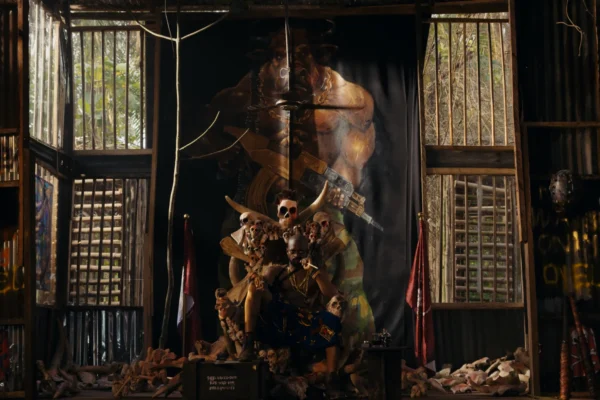
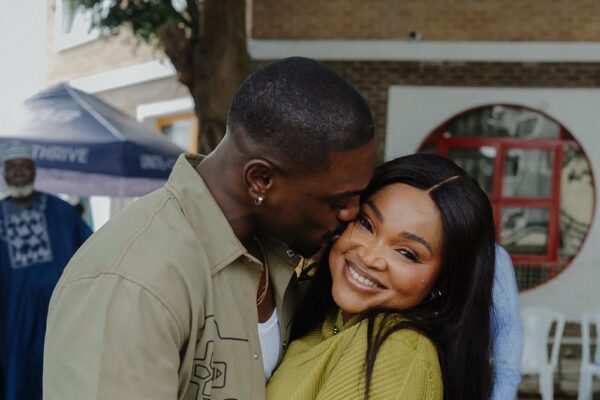
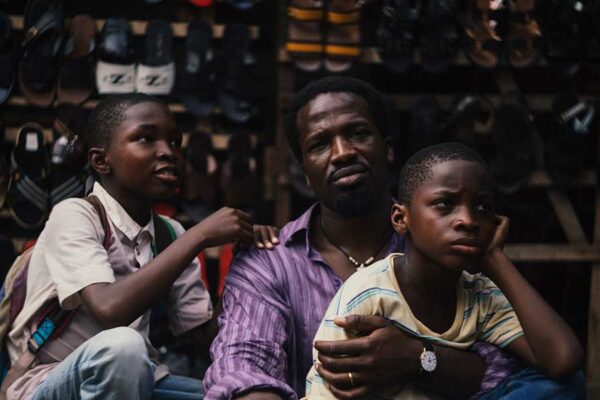
View the first-look images below.
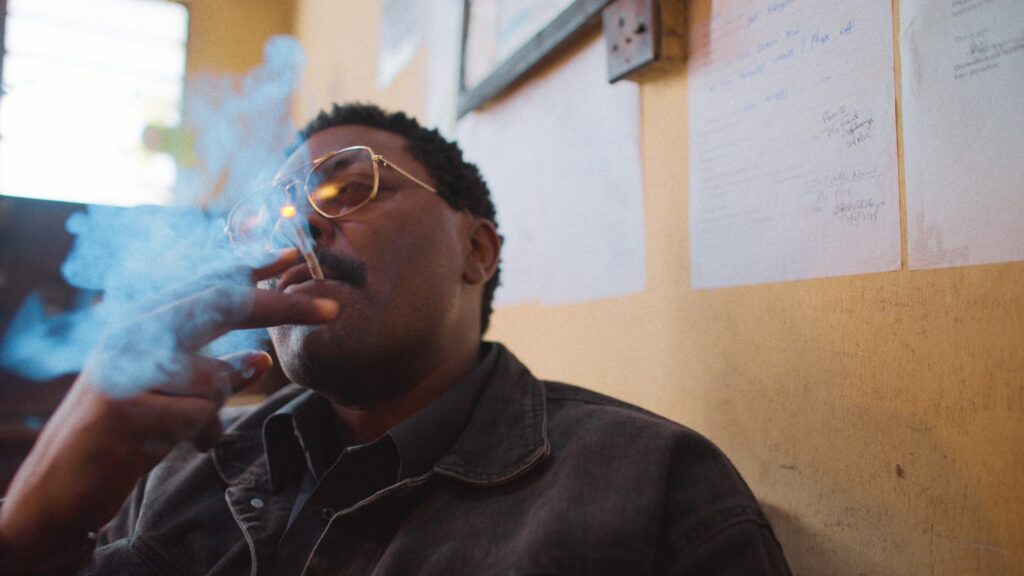
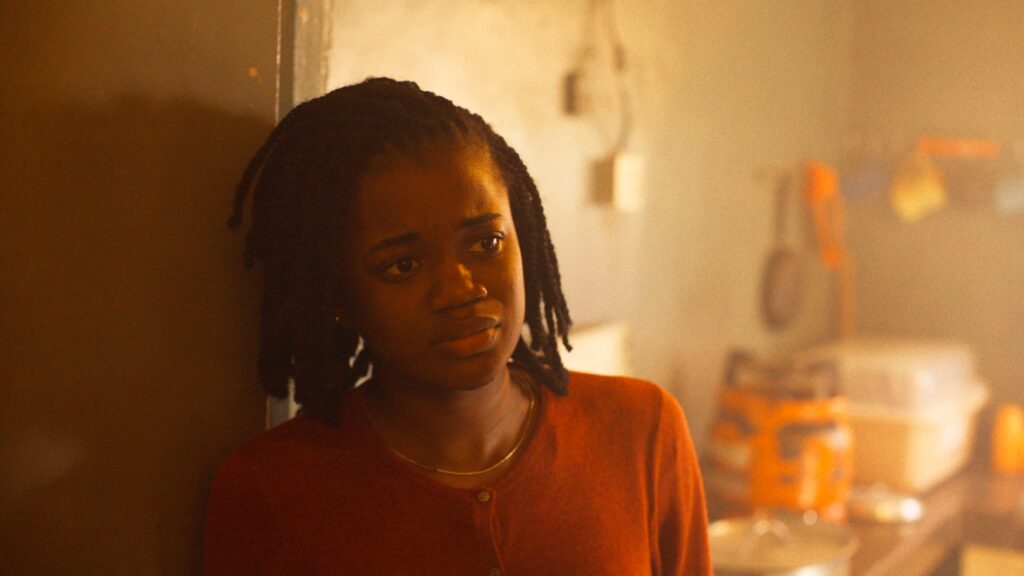
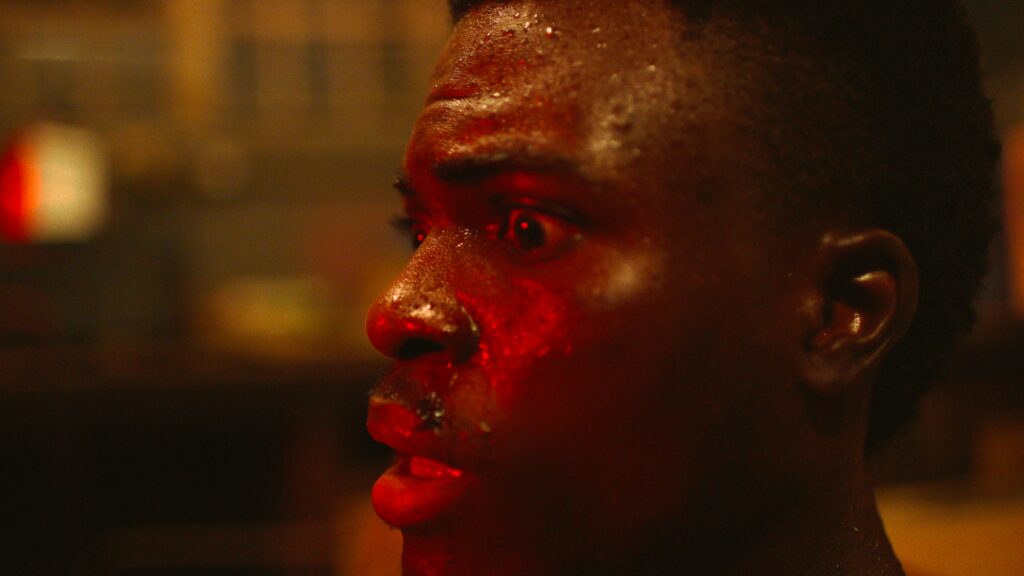
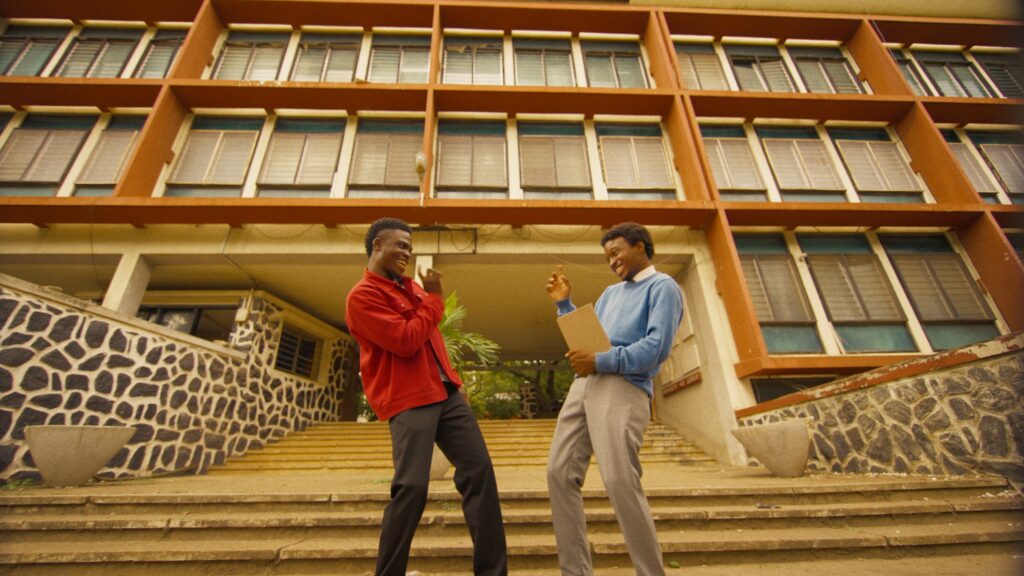
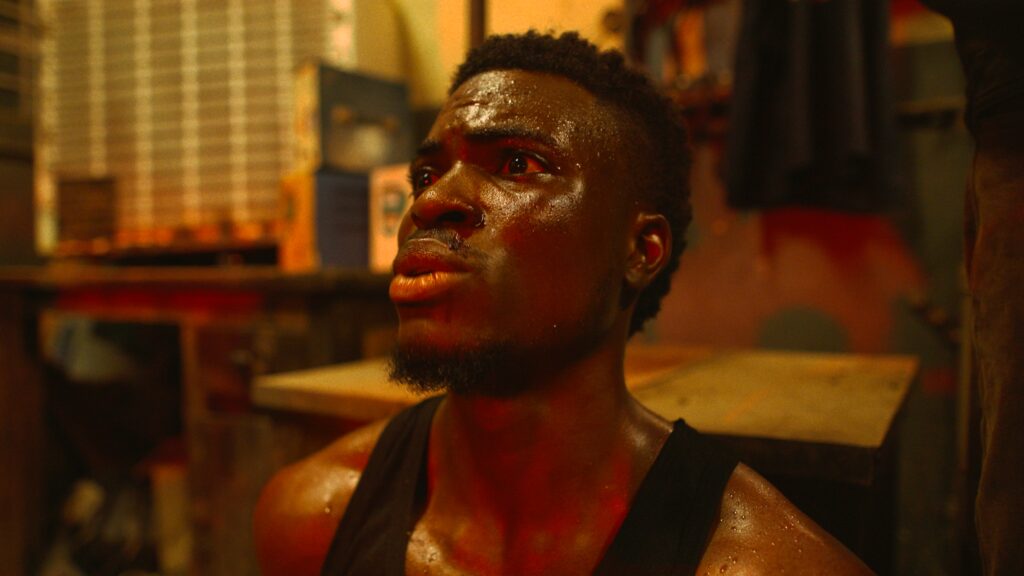
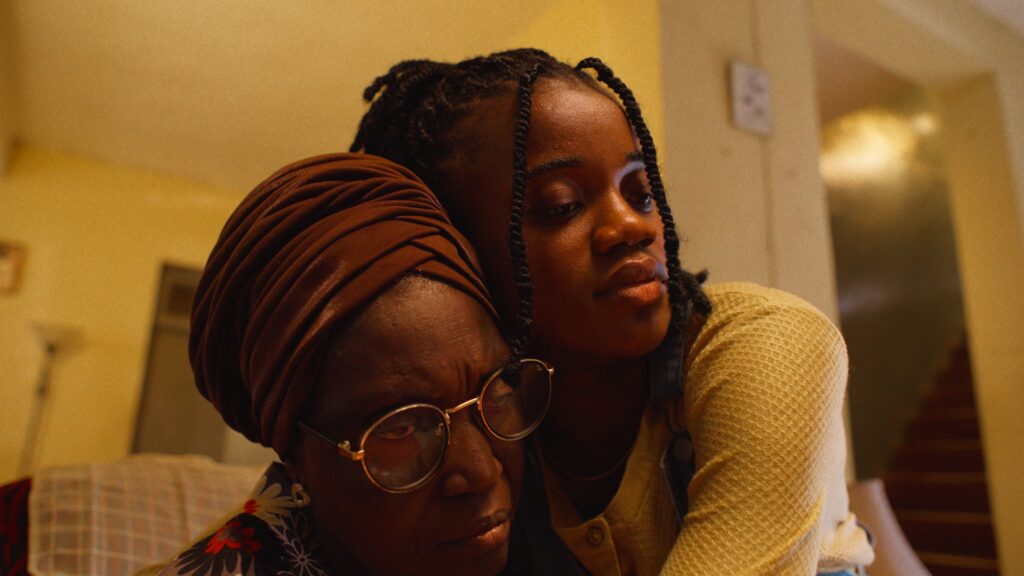
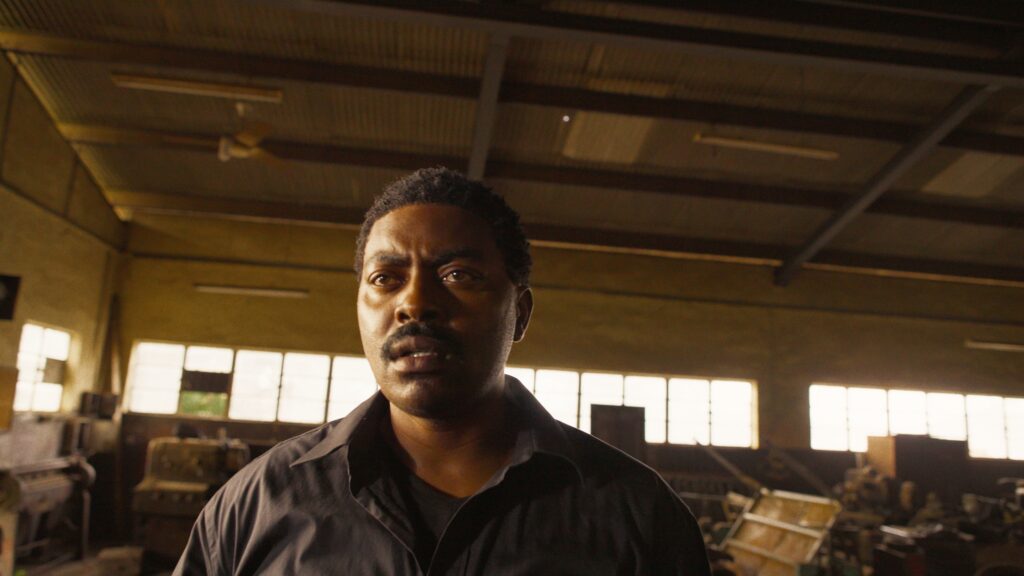
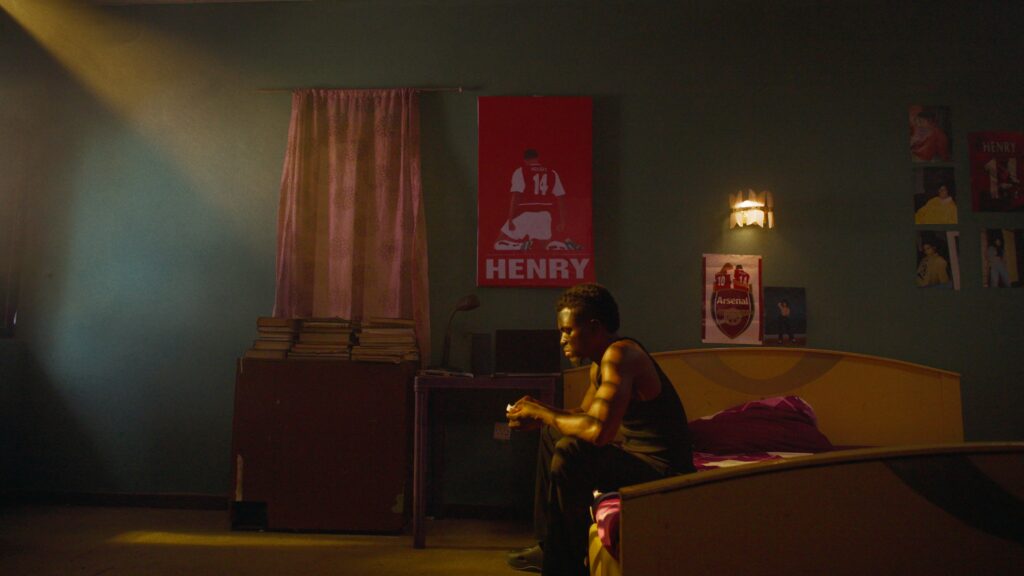
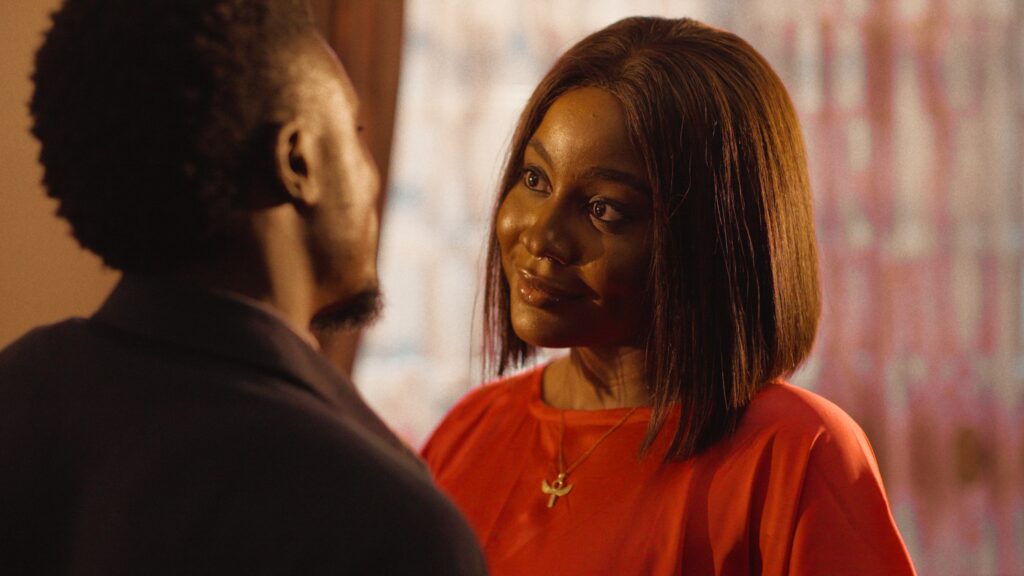
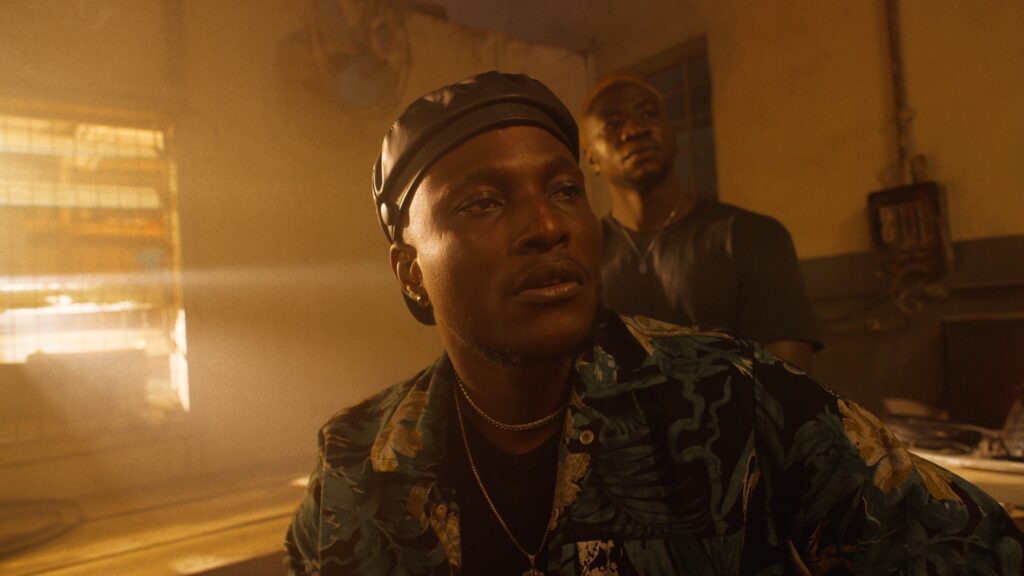
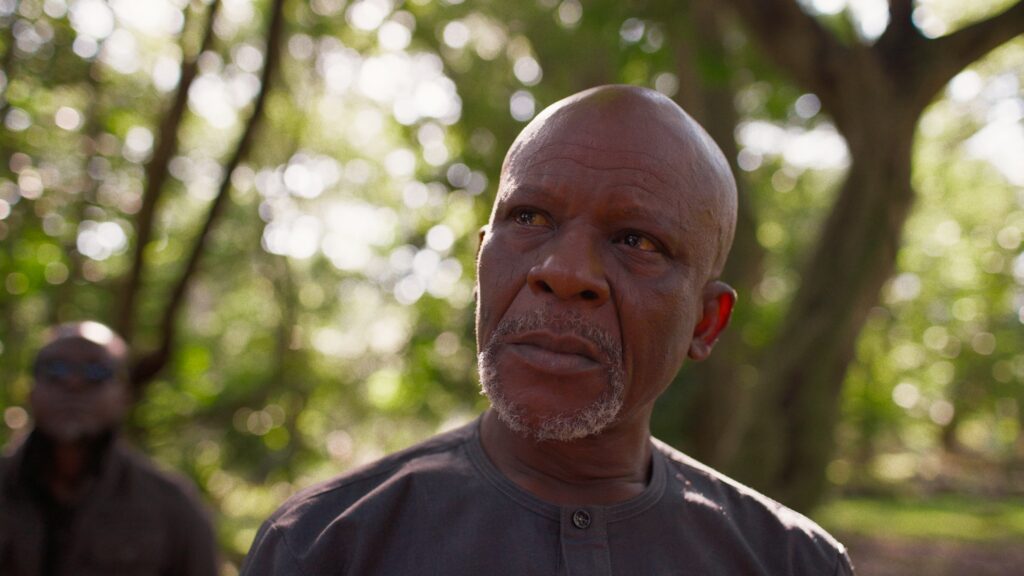
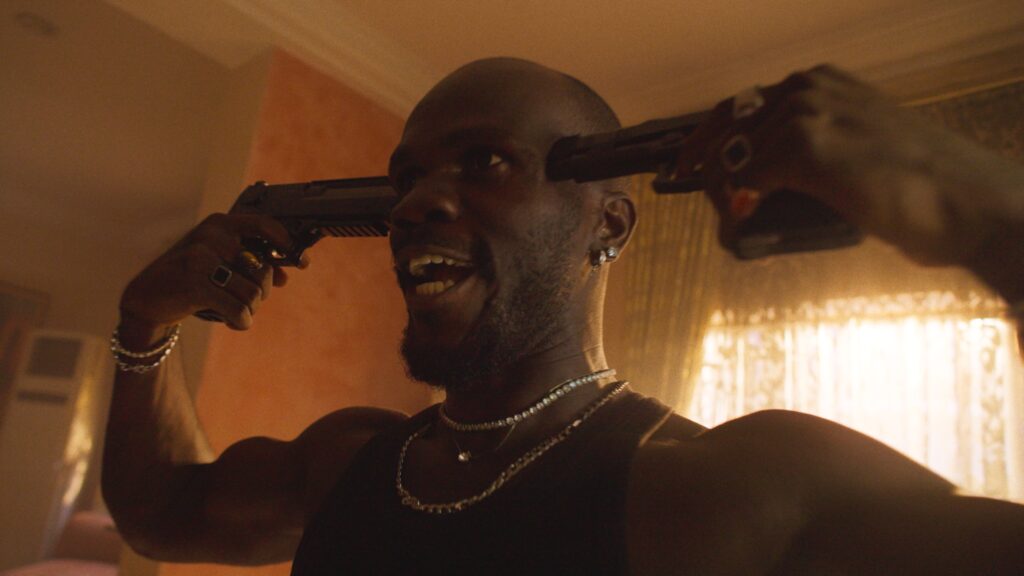
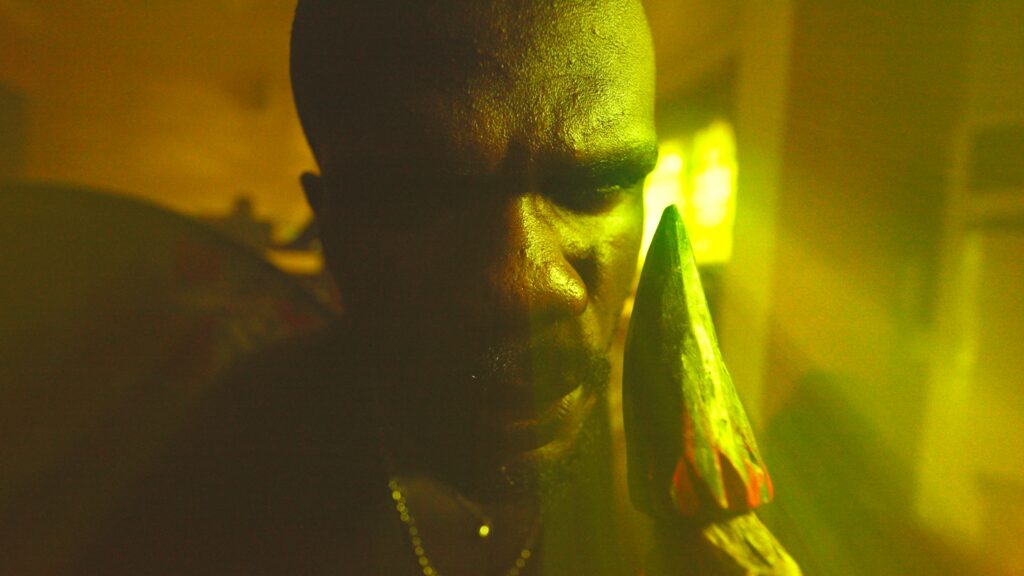
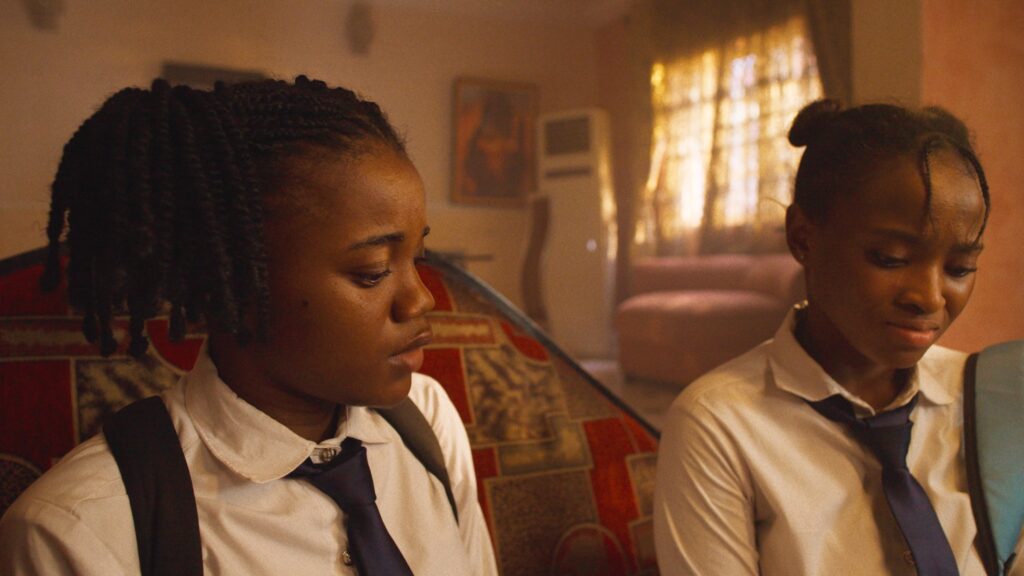
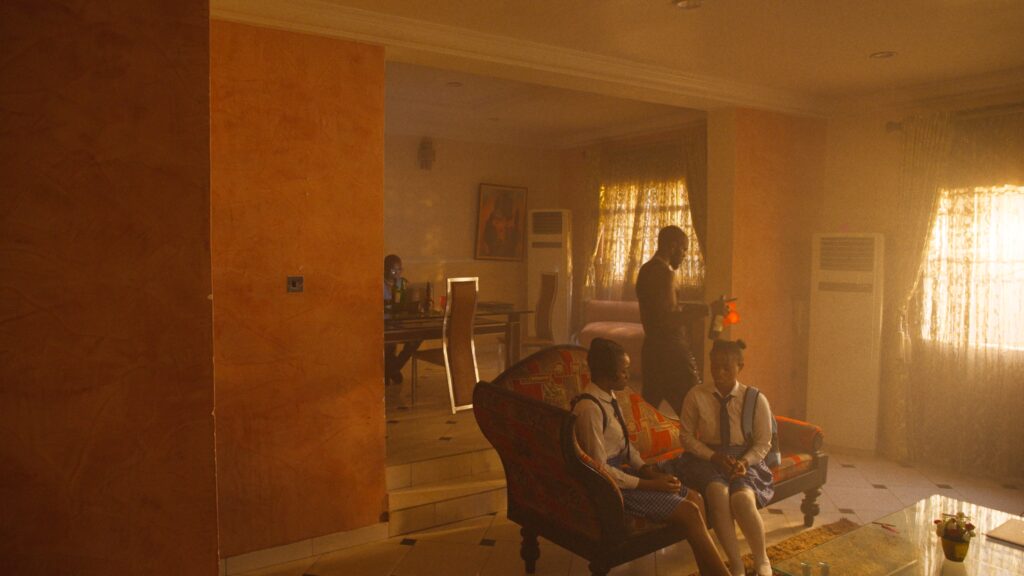
First-look images courtesy of Taiwo Egunjobi