Writers Can Write Horror Too. For a film industry that has become increasingly comfortable telling stories about romance, family relationships, social issues, and everyday human experiences, horror remains a genre that doesn’t seem to receive as much attention in Nollywood. It is not that Nigerian audiences are unfamiliar with horror, or that there is no appetite for stories that explore fear, suspense, and the supernatural. Rather, there seems to be a noticeable gap between the potential of the genre and the number of Nigerian productions willing to explore it.
Over the years, Nollywood has developed a recognisable relationship with drama and romantic comedy. These are genres that filmmakers understand, investors are more comfortable financing, and writers have grown accustomed to developing. As a result, it is not unusual to find writers who have spent years building their careers around dramatic storytelling, even when their creative interests extend far beyond it.
But perhaps the problem is not that we do not have writers who can write horror. It may be that we have simply not given them enough opportunities to do so.
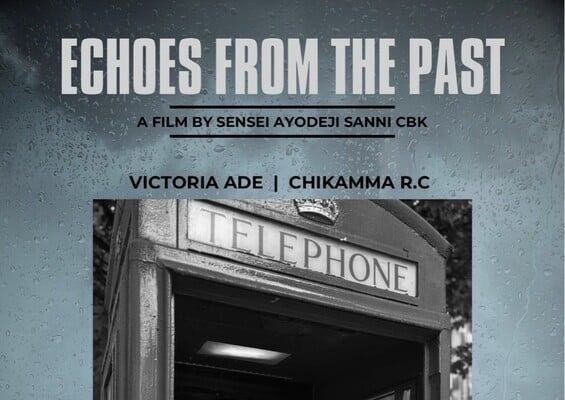
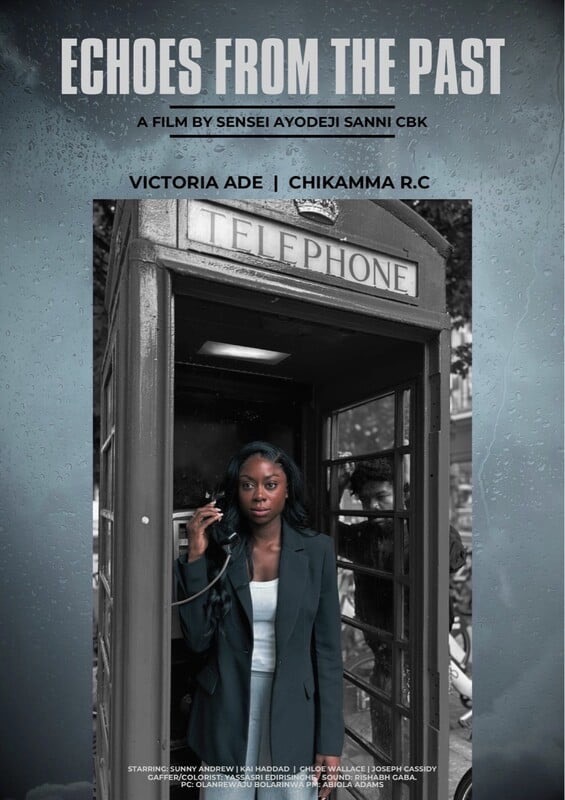
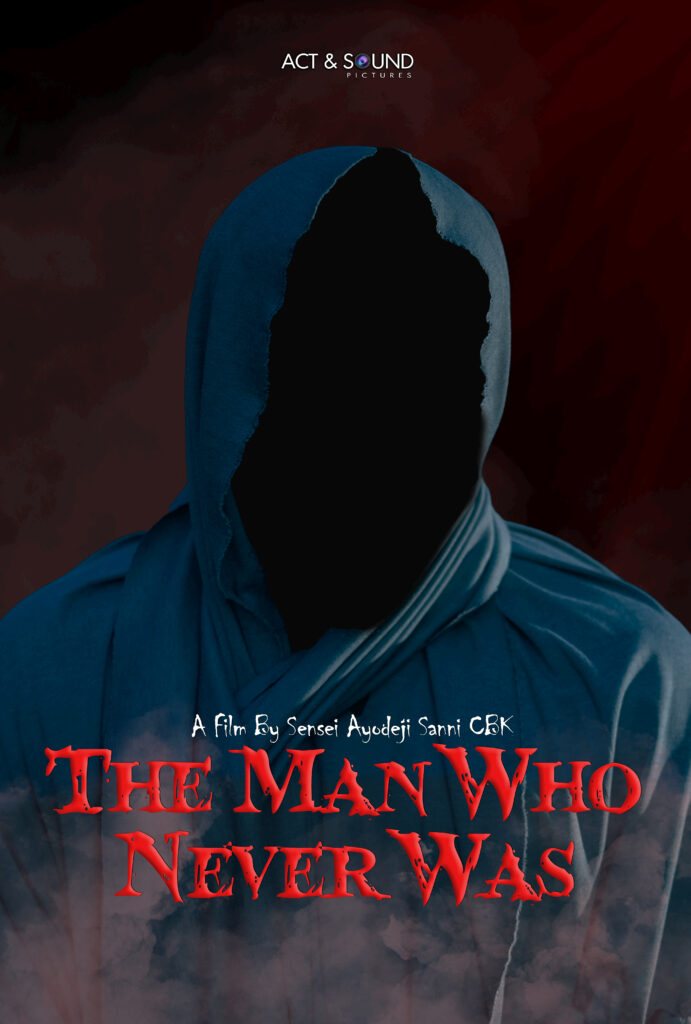
Two Africa Movie Academy Awards (AMAA)-nominated projects, Echoes of the Past and The Man Who Never Was, offer a useful perspective on this conversation.
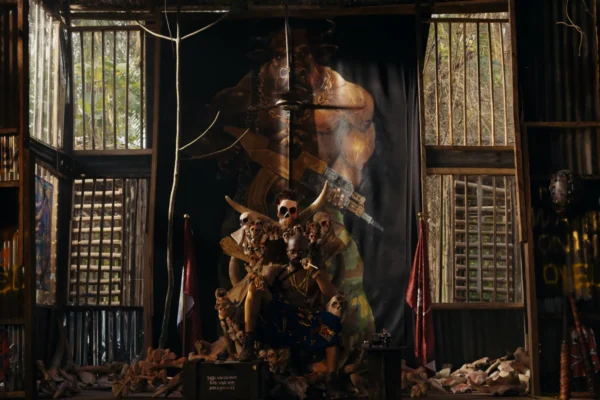
When Echoes of the Past went into development, its writing team consisted largely of writers whose previous creative experiences were rooted in drama. The team included Neil Lenthall, Fimisinuola Adejoneo, and Victor Eyike, who worked on the story editing alongside the film’s director, Sanni Ayodeji, who then developed the narrative into the film we see today.
What makes this notable is that horror was not necessarily the genre these writers were most associated with. Yet they were able to contribute to a story that embraced the demands of the genre. Less than a year after production, the project secured an AMAA nomination.
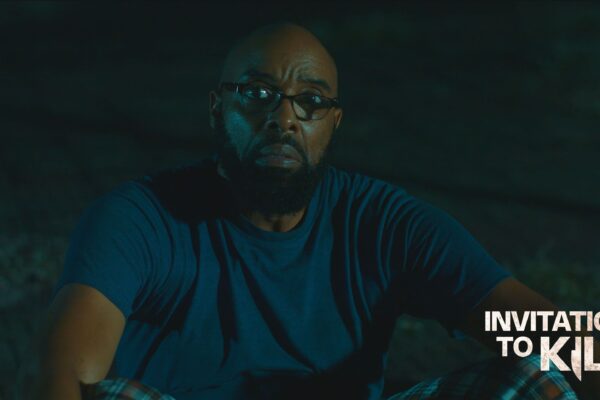
Then came The Man Who Never Was, another cross-border production directed by Sanni Ayodeji. The project also leans heavily into horror, with its story editing involving Victor Eyike and Nnonso Ucheaga, with Sarah Ifidon as the writer. Interestingly, these are also writers with considerable experience in drama and other forms of storytelling. The film has also earned a 2026 AMAA nomination.
Of course, two nominations do not automatically mean that Nigerian horror is experiencing a revival. Nor do they suggest that these two projects alone can change the industry’s relationship with the genre. But they do raise an important question: are we underutilising our writers?
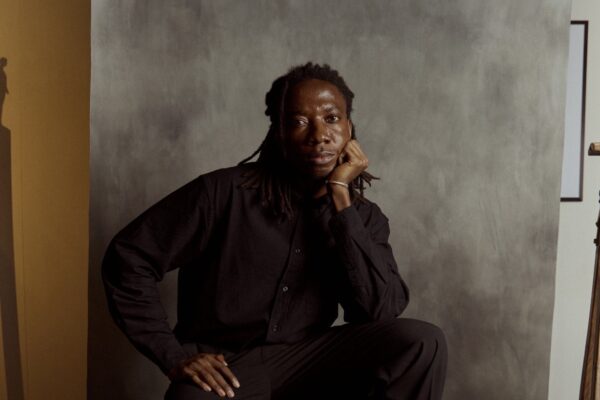
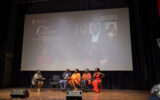
Consider Victor Eyike, for instance. In an interview with Nollywire at the British Film Lab Showcase, he spoke highly about horror being one of his favourite genres. Yet, like many writers trying to establish themselves in Nollywood, he found himself gravitating towards drama and romantic comedy, partly because those genres offered more opportunities and a way to establish a presence in the industry.
But after being selected for the British Film Council Writing Lab, and receiving several months of mentorship from cross-border mentors, he realized that his potential spans beyond one specific genre. That is evident in other projects he has worked on, such as Sirrin Amarya which is currently streaming on Africa Magic, a subsidiary of Canal+, and The Ten, another AfricaMagic Canal+ original. Both projects are thrillers, a genre many Nollywood writers shy awayfrom.
It is a telling contradiction. A writer can have a genuine passion for horror but spend a significantpart of their professional career writing drama because that is where the market appears to be. And this is not necessarily a criticism of writers. Writers have to work. They have to find projects, build relationships with producers, earn a living, and remain relevant in an industry where opportunities are not always evenly distributed. Sometimes, creative preference has to take a back seat to commercial realities.
However, when the industry repeatedly commissions the same kinds of stories, it risks limiting the creative range of the very people it depends on to tell those stories.
There is also a larger conversation to be had about the possibilities of cross-border filmmaking. These examples demonstrate how Nigerian writing talent can contribute to projects that move beyond the familiar conventions of the local market. This matters because the possibilities of Nigerian storytelling should not be confined to the genres that currently enjoy the most commercial attention at home. There are audiences elsewhere who consume horror, psychological thrillers, science fiction, fantasy, and other genres that are yet to receive the level of exploration they deserve in our industry.
And this is where the conversation becomes even more exciting. If Nigerian writers can develop compelling horror narratives, what happens when they are allowed to explore science fiction? What happens when more producers are willing to invest in fantasy, speculative fiction, and stories that demand a departure from conventional Nollywood storytelling? It is not difficult to imagine a future in which Nigerian writers contribute to these genres on a much larger scale, both locally and internationally.
The point is not that Nollywood should abandon drama or romantic comedy. These genres have their place, and there are countless stories within them that deserve to be told. Rather, the industry needs to create room for more possibilities. Writers should not have to set aside their creative interests simply because those interests do not immediately align with what the market considers commercially viable.
Perhaps the horror genre is not dead after all. It may simply have been waiting for more writers to be given the chance..
If two AMAA-nominated projects can remind us of anything, it is that the writers we have come to associate with drama are capable of much more than the industry has traditionally asked of them.
Maybe the question Nollywood should be asking is not whether we have enough horror writers, but whether we are giving our writers enough room to become everything they are capable of being