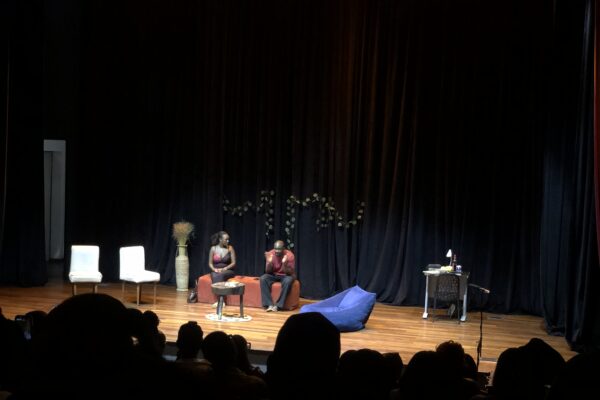
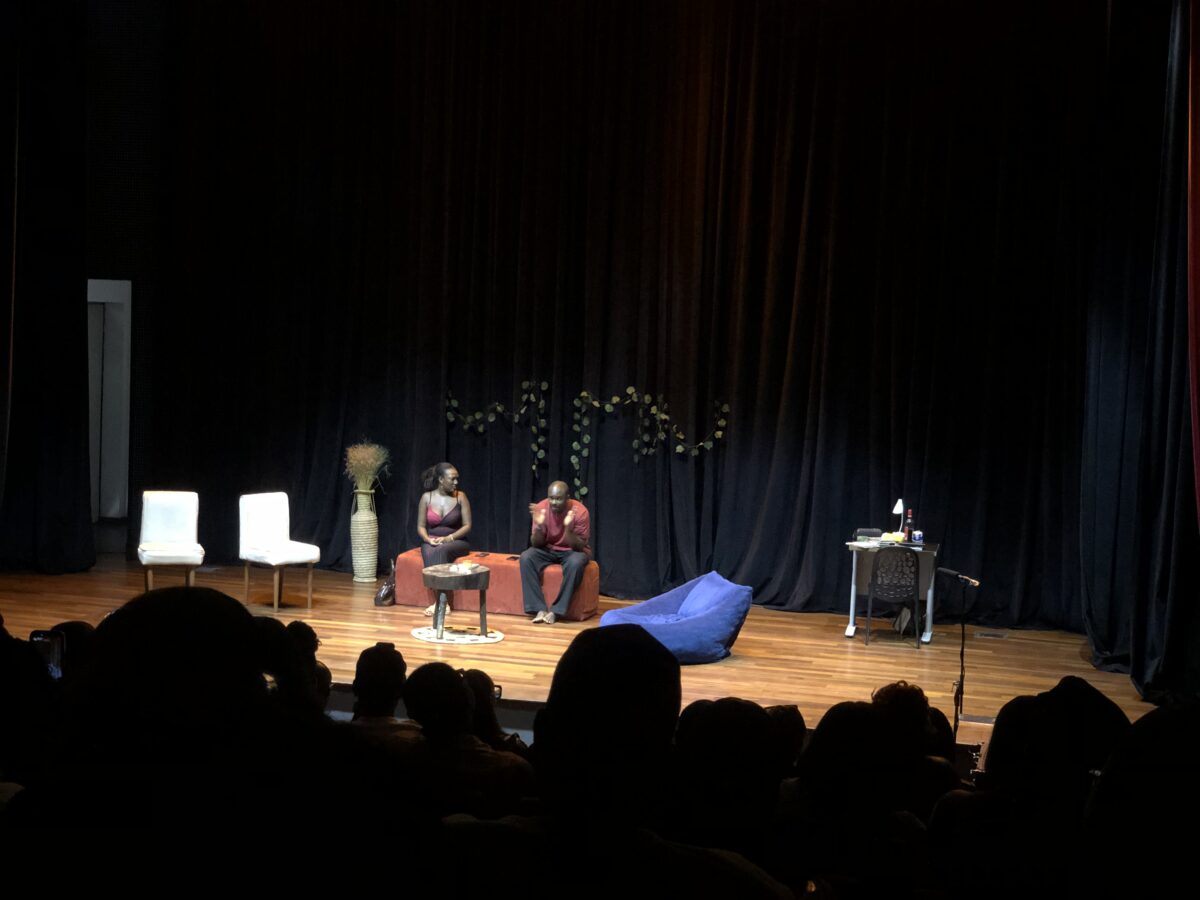
After two earlier outings, The Greatest Actor of All Time moved to the Alliance Française theatre on October 11, its biggest stage yet. The three-person satire about talent, pride and survival asks filmmakers and audiences alike a hard question: do we still know what a great actor looks like?
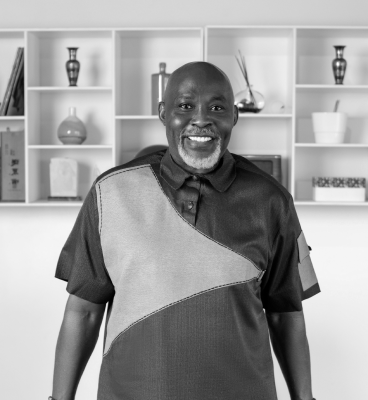
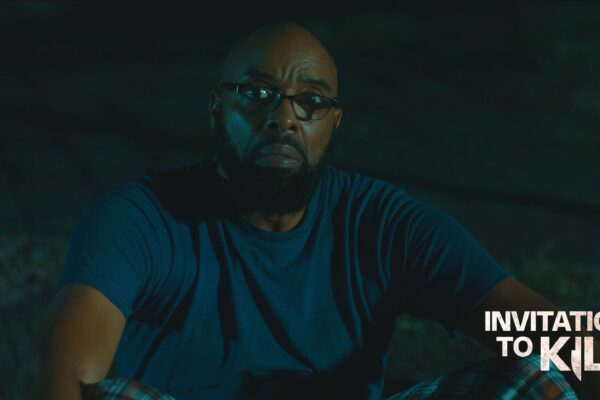
Temiloluwa Fosudo, who plays Yusuf Ipadeola, wrote and directed the play. Chukwu Martin plays Shina Awosika, while Wumi-Tuase Fosudo plays Funmi Awosika.
Shina thinks himself the greatest actor of all time and refuses to take just any acting offer. His friend and fellow actor, Yusuf Ipadeola, takes the opposite path, taking whatever acting jobs come his way in the hope of getting his break someday. Yusuf also has a crush on Shina’s sister, Funmi, who must contend with her brother’s outrageousness and unbelievable standards. She supports him financially and finds him acting jobs, but he keeps turning them down.
Through these characters, the play explores whether Nollywood rewards the work or the buzz, and whether audiences judge a performance on its merits or the publicity surrounding it.
The play doesn’t blame the industry alone. It also acknowledges that the country doesn’t make things easy for filmmakers. Asked by OYA Magazine why change has been slow, Fosudo pointed to “the condition of Nigeria, you know, lack of funds…” His response acknowledges the financial pressure filmmakers face.
Both Martin and Fosudo make this point in conversation. The script, which Fosudo says is based “100%” on real behind-the-scenes conversations, brings questions filmmakers have long traded away from the cameras onto the stage.
Fosudo emphasises training and effort. He urges people entering creative fields to “put in a lot of work to actually study; it doesn’t matter which field.” The vibes and popularity, he adds, “should come with being good at your job.”
The play questions what happens when relevance is rewarded more than substance. A performer’s following can get him into the room while someone with talent waits outside. Shina’s complaint is blunt: mediocre films have taken hold of the industry.
The play also asks the audience to examine how they watch films. How many times have we watched a movie and felt something? How many times have we left one still thinking about a character and a story years later? Do we enjoy a performance for what it is or because we are fans of the actor?
On what he hoped audiences would take away, Fosudo’s answer was “nothing.” He added: “I want you to feel something.”
Martin recognises parts of himself in Shina, including the struggle to maintain standards while making compromises to get work. “You need to step down a bit to get up,” he says. For him, this goes beyond money: it is about gaining access and being able to make changes once inside.
The difficulty is deciding how far that compromise should go. Fosudo also refuses to let Shina off the hook. “The problem is valid, but ego is getting in the way too,” he says. Eventually you have to do something, “even if it’s not your dream,” or remain in the wings.
Yusuf’s willingness to work comes with its own questions. Taking every job does not guarantee good work. Both men must decide what to accept, what to refuse and how to keep working without losing themselves.
Pressed on whether he is team Shina or team Yusuf, Fosudo says he is not team anybody.
The Greatest Actor of All Time leaves room for both men’s choices to be questioned. Shina has standards, but also an ego. Yusuf is willing to work, but that willingness comes with compromises. Between them is an argument about what it takes to survive as an actor, and what that survival might cost.