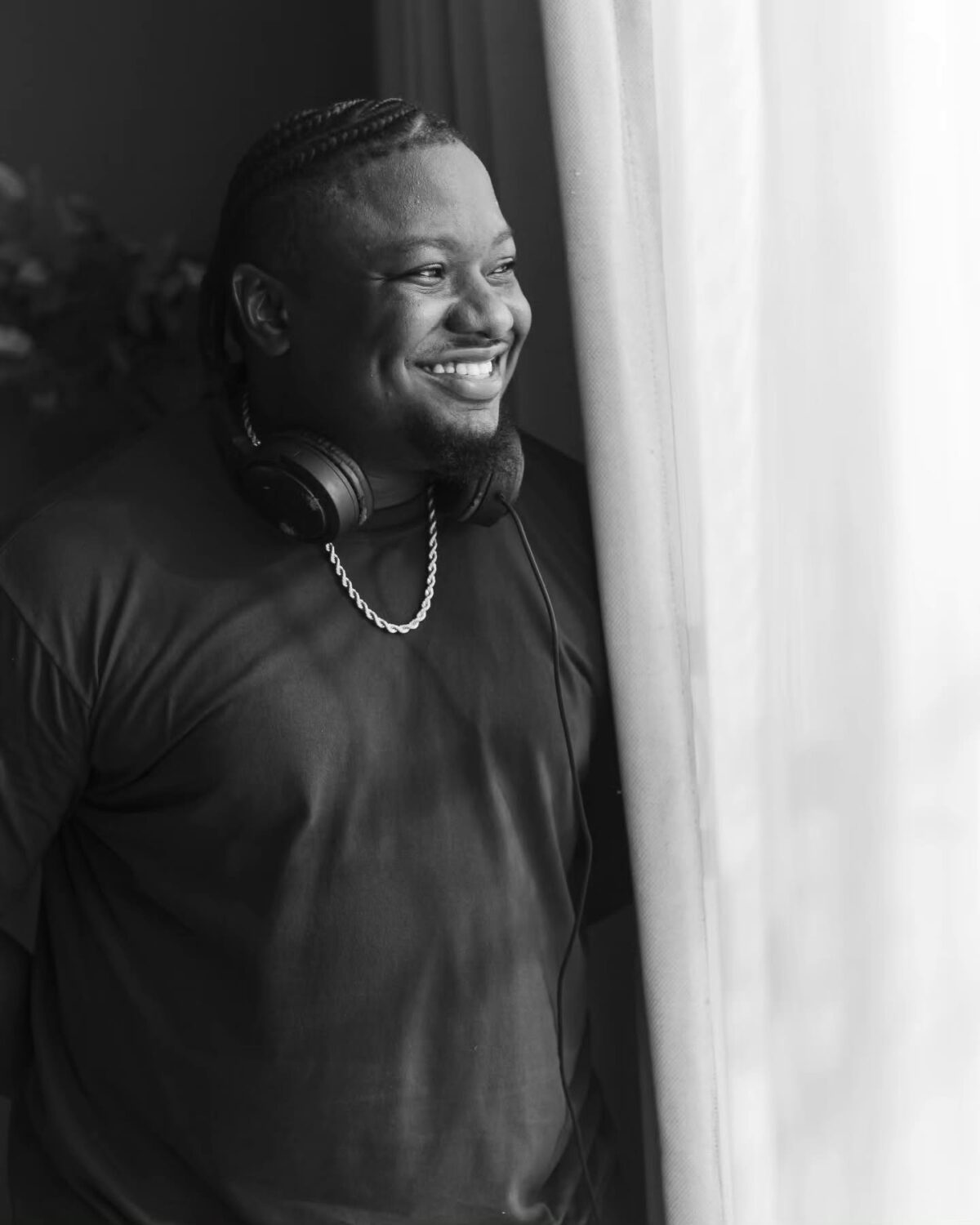
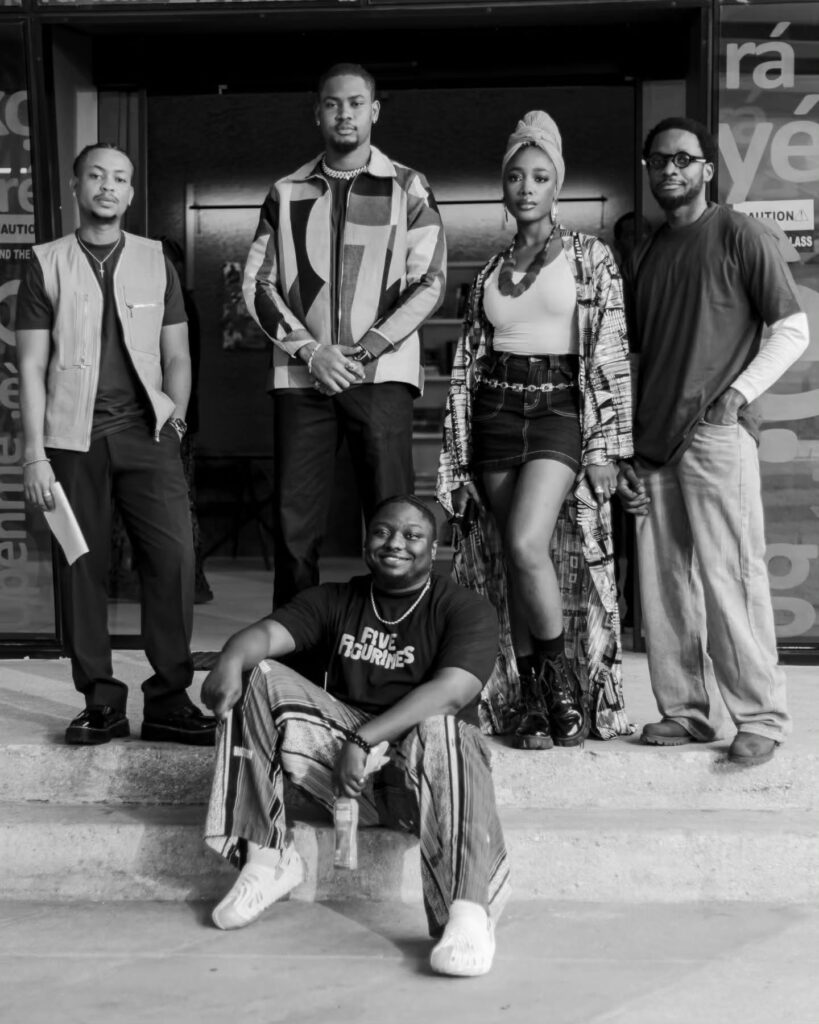
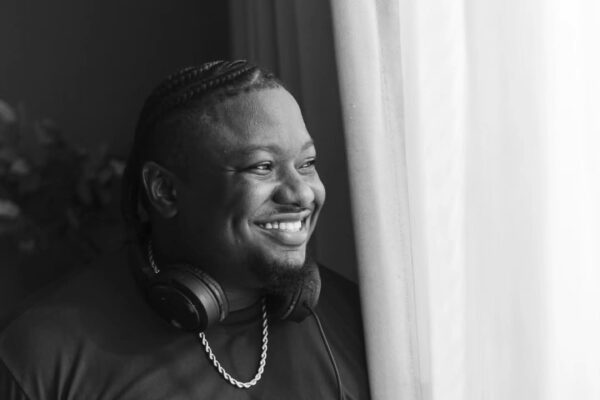
Before Five Figurines, Akay Mason had already spent years learning what it meant to make films. He had studied filmmaking in South Africa, returned to Nigeria to work his way through different production roles, and directed projects that helped establish him as a filmmaker. But experience does not always translate into the kind of creative freedom a filmmaker wants. Sometimes, the next step requires a different relationship with the work: not simply directing a story, but taking responsibility for the conditions that allow it to become the film he imagines.
That shift led him towards producing.
Akay Mason, whose real name is Akhigbe Ilozobhie, founded Element 24 Media to transition from ‘directing-for-hire’ toward full creative ownership, describing it as a ‘feeling of stagnation’. The move gave him a route towards Five Figurines, introducing him to the practical demands of building a production from the ground up: budgets, schedules, distribution, casting and the difficult decisions that emerge when a film must negotiate between ambition and available resources.
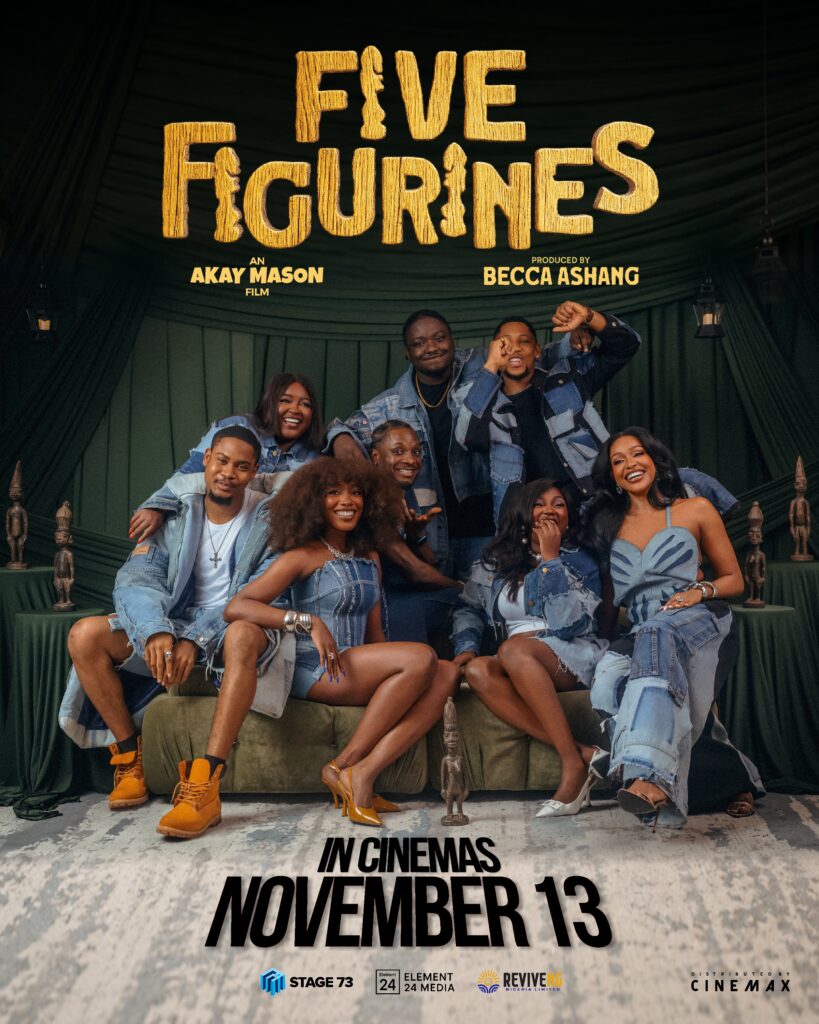
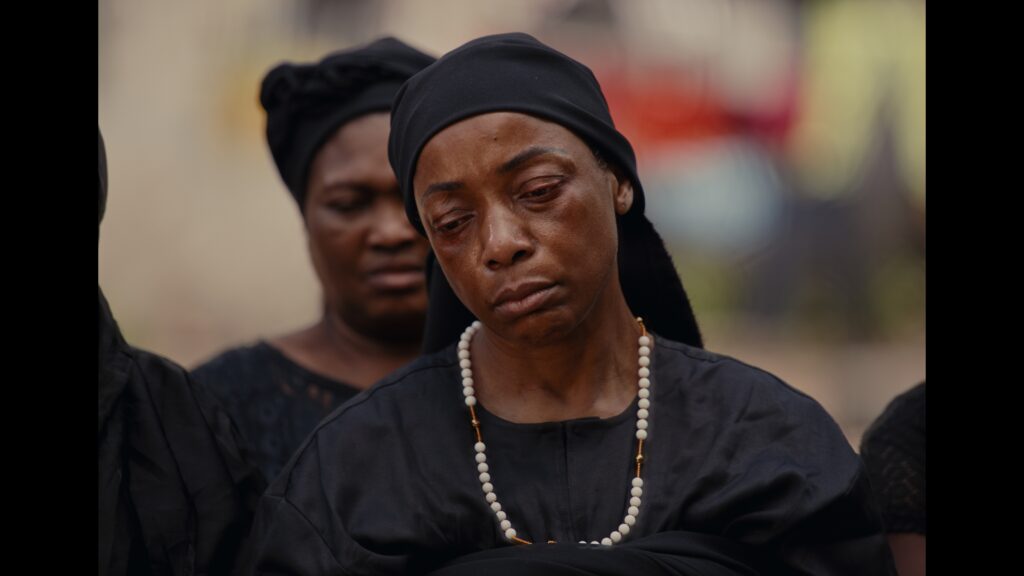
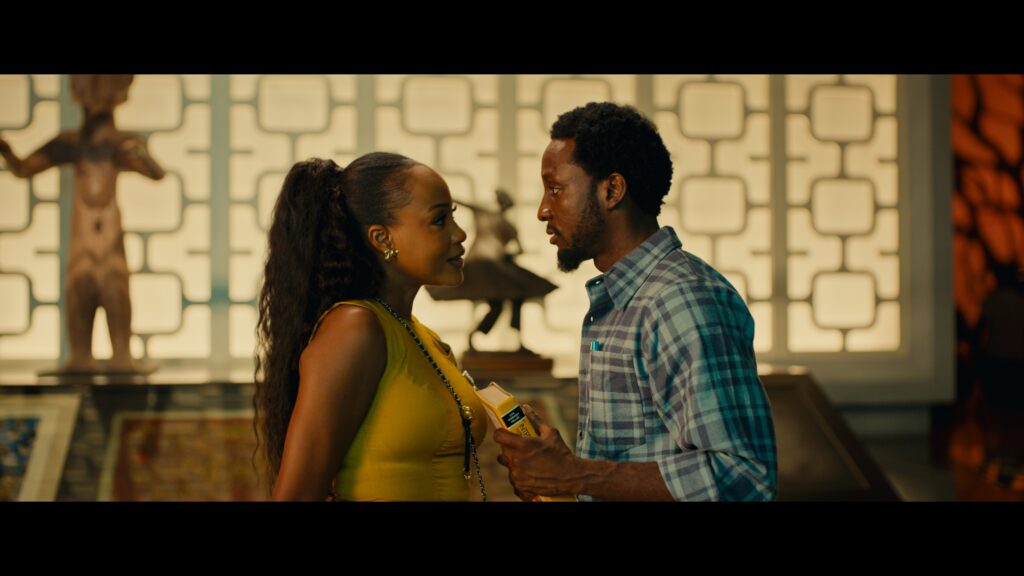
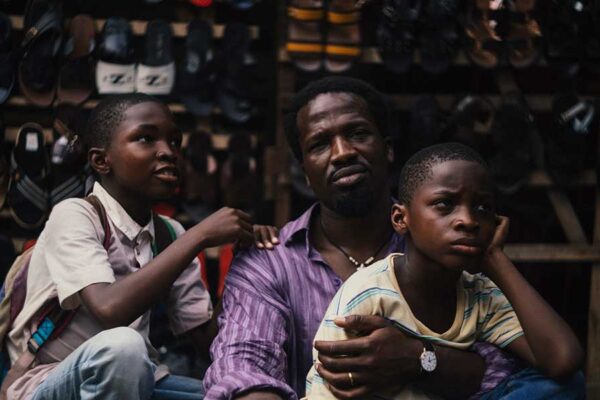
Five Figurines is a story about a grieving market woman who turns to African mysticism in pursuit of revenge; the film examines the unequal relationship between wealth and justice, and the impunity that privilege can purchase.
For Mason, the project was an exercise in refinement. The screenplay evolved through successive drafts; the production tested his ability to keep a film within its limits; and the experience of producing alongside Rebecca “Becca” Ashang expanded his understanding of what it takes to bring a story from the page to the screen.
In this conversation with OYA Magazine, Mason reflects on the making of Five Figurines, the relationship between directing and producing, his evolving approach to actors, and why taking ownership of a film means accepting responsibility for more than what appears in the frame.
In this conversation with OYA Magazine, Mason reflects on the making of Five Figurines, the relationship between directing and producing, his evolving approach to actors, and why taking ownership of a film means accepting responsibility for more than what appears in the frame.
This interview has been edited for length and clarity.
You began your filmmaking journey quite young. What first drew you to the craft, and how did that interest develop into a career?
I fell in love with filmmaking when I was about 15. I remember watching Ije on the big screen, and something about the experience stayed with me. It made me want to understand how films were made and how I could become part of that world.
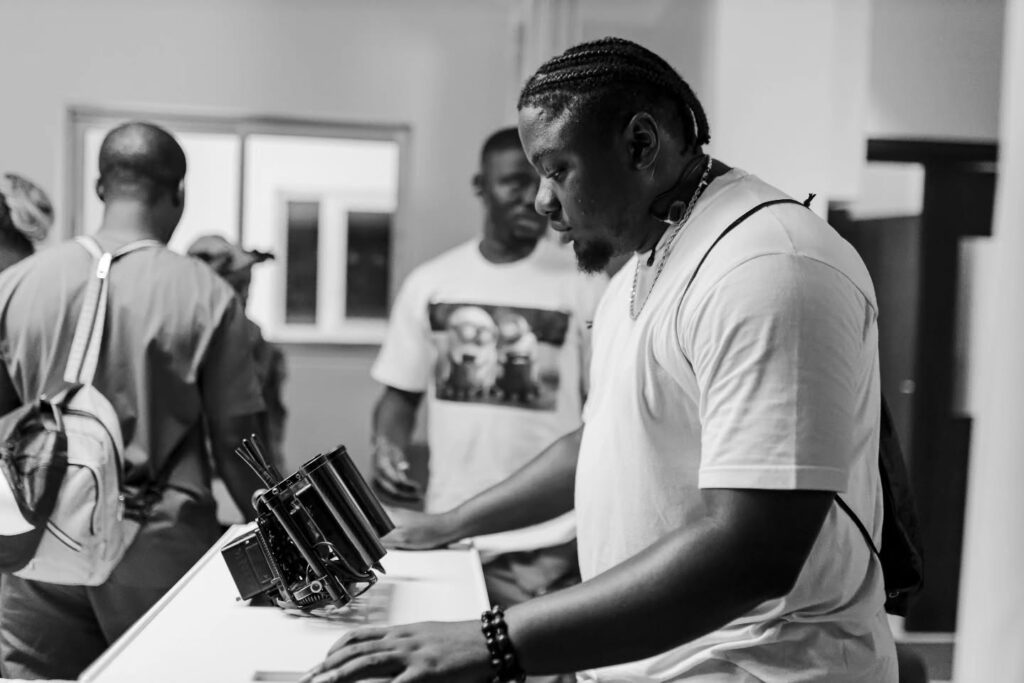
At 17, I went to South Africa to study filmmaking. I spent three years there before returning to Nigeria at 21. When I came back, I started working at Anthill Studios. I did different things there: studio management, production assistance, behind-the-scenes work, digital imaging technician work, assistant directing, documentaries and corporate videos.
I was learning the industry from different angles. It wasn’t just about directing. I was seeing what happened before a director called action and what had to happen after a scene was shot. Those experiences helped me understand the practical side of filmmaking.
Your short film,Money Go Money Come, came beforeElevator Baby, which became an important point in your career. Looking back, what did that transition mean to you?
Money Go Money Come came out in 2018. I think about 90 people watched it. It wasn’t a massive audience, but making that film was important because it gave me something to build on.
Then came Elevator Baby in 2019. That was my first feature film, and it opened doors for me. It helped people recognise my work and gave me the opportunity to do more.
After that, I worked on projects including Day of Destiny, Superstar, Love in the Pandemic, Thin Line and Red Circle. Every project taught me something different. Some experiences were encouraging, while others forced me to reconsider my approach to filmmaking.
You don’t necessarily understand everything a project has taught you while you’re making it. Sometimes you only recognise the lesson when you start working on something else.
At what point did you begin thinking beyond directing and consider producing as a way to take greater ownership of your work?
I started thinking about it after a project I was working on failed to get the sponsorship and financing it needed. I had invested time and energy into it, but it wasn’t moving forward.
That experience made me realise that if I wanted to tell certain stories, I couldn’t always depend on someone else to create the opportunity for me. I needed to find a way to take more responsibility for the process.
That’s part of why I started Element 24 Media. Producing gave me more control over the projects I wanted to make. It also meant I had to learn things I hadn’t necessarily been responsible for before.
Directing lets you focus on a film’s creative execution, but producing forces you to think about the entire process. You have to consider the resources, the people, the schedule and how everything comes together. It changes how you understand what it means to get a film made.
How didFive Figurinescome into the picture?
Eno Eje reached out to me on Instagram. He sent me a story, but I didn’t connect with the first one. I was already feeling quite jaded about scripts, so I honestly told him it wasn’t working for me.
He later sent another story, and that one caught my attention. I connected with it, and we began discussing what the film could become.
I wanted to be involved in a way that let me contribute creatively, rather than just come in to direct and leave. The project gave me that opportunity. I could help shape the story and take on producing responsibilities.
I came on board with a clear sense of what I wanted to bring to it.
The film deals with a market woman’s grief and her decision to seek revenge through African mysticism. What interested you about that story?
I’m drawn to dark stories, particularly stories about revenge. But the subject matter alone isn’t enough to make me want to do a film. I need to believe that the story has something to say.
With Five Figurines, one of the things that interested me was the question of justice. We live in a society where money and social standing can determine how people experience the consequences of their actions. There are situations where people from wealthy families do terrible things, and their families have the resources to protect them from the repercussions.
The person harmed may not have those same resources. They may have no access to the kind of justice that should be available to everyone.
The film explores that imbalance through a woman who loses her son. She is a Catholic, but her grief leads her towards African mysticism as she seeks revenge.
I was interested in what happens when someone who has been failed by the systems around them begins looking for justice elsewhere. What does that decision mean for the person making it? What does it reveal about the society that has brought them to that point?
Those were the questions that made the story compelling to me.
You worked with screenwriter Stephen on developing the screenplay. How did the story evolve from its original form into the film you eventually made?
The story went through a lot of development. It was originally called Seven Effigies, and the first draft was about 145 pages long. By the time we had the shooting script, we had brought it down to approximately 105 pages.
We had to decide on the number of characters, the families involved, and how the story moved. Some of those decisions were informed by the budget, but they were also about pacing and making sure the film worked as a story.
Stephen was very professional. He was receptive to feedback, and we could have conversations about what needed to change. Becca, Cinemax and I were also involved in the development process.
My approach wasn’t to change things simply because I wanted to put my stamp on the screenplay. It was about asking whether each decision served the film we were trying to make.
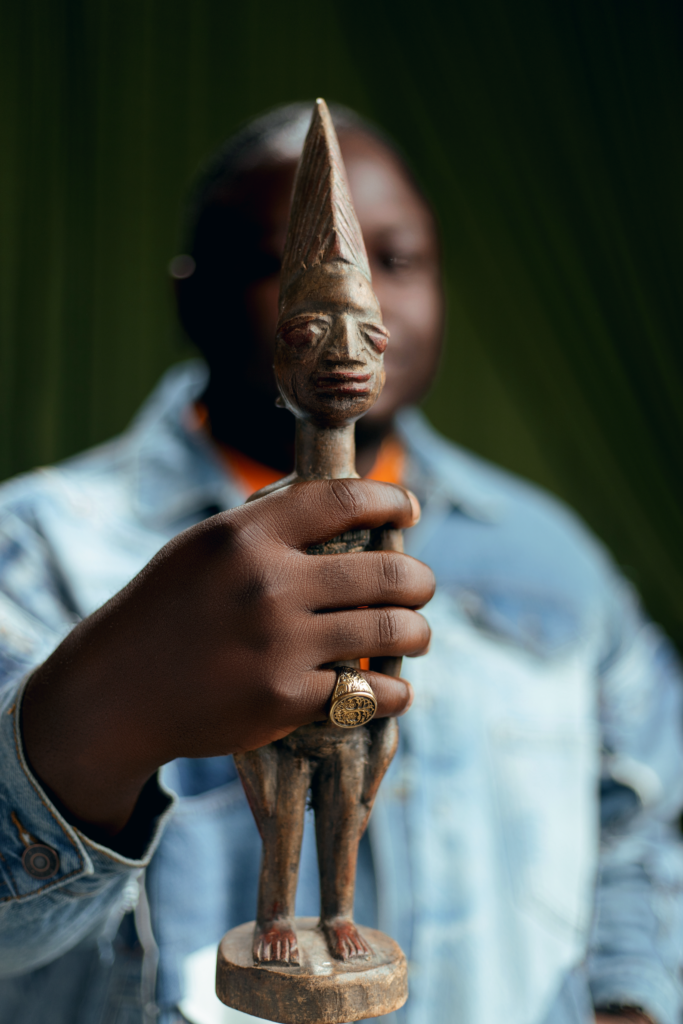
I also contributed some elements that became part of the film’s visual language, including the snake and details involving eye colour and visual effects. Those elements had to fit into the larger story rather than exist as decoration.
You have describedFive Figurinesas a film that feels distinctly yours. What does it mean for a film to be an “Akay Mason film”?
For me, there’s a difference between a film directed by Akay Mason and an Akay Mason film.
A film directed by me means I’ve directed it. But when I say an Akay Mason film, I’m talking about something that reflects my sensibilities more completely. It’s character-driven. There is a particular way I approach framing, colour and the visual world of the story. I like having strong control over those elements so they feel consistent.
With Five Figurines, I would say it’s a hundred per cent an Akay Mason film.
That comes from being involved beyond the directing. Producing lets me make decisions earlier in the process, from who I work with to how the story develops. It gives me more opportunity to protect what matters to me about the film.
What did producing teach you about the practical realities of makingFive Figurines?
The biggest challenge was staying within the budget and the schedule. Costs increased, and we had to keep finding ways to manage the production without losing sight of what we wanted to achieve.
The Nigerian economy and inflation affected the cost of making the film. Things that seemed manageable at one point could become more expensive by the time we needed them. We had to make decisions with that reality in mind.
Becca was particularly helpful to me in understanding the production side of things. Working with her taught me a lot about budgeting, logistics and the importance of anticipating problems before they become bigger problems.
The entire process took about three months of development, one month of shooting and another four to five months of post-production.
It was demanding, but I felt a strong sense of ownership over the project. When you care deeply about something, you find yourself pushing through difficulties that might otherwise make you give up.
Our cast and crew also believed in the story. Some people offered discounts because they wanted to be part of it. That support mattered, especially when the budget was under pressure.
I don’t think you can judge a film simply by how much money was spent on it. The budget matters, of course, but it isn’t the only measure of what a film can achieve.
You brought Cinemax on board as distributor before shooting began. Why was that important?
I had a good relationship with Cinemax before Five Figurines. They had supported me during periods when I wasn’t getting as much work, and they had recommended me for opportunities. We also understood one another creatively, particularly when it came to storytelling.
Involving them before production was important because it let us have conversations early. You don’t want to finish a film and only then discover things that need to change for distribution.
Sometimes, bringing a distributor in after the film has been completed can mean expensive reshoots or changes that could have been considered much earlier.
My advice to filmmakers is to bring the distributor into the conversation before shooting, where possible. Understand what they are looking for, discuss the film and find out whether there are things you need to consider during production.
That doesn’t mean surrendering your creative judgement. It means understanding the journey your film has to make after you finish shooting.
You named the character Innocent. What informed that decision?
I wanted the audience to feel something for him. His death is important to the story because it sets the events that follow in motion.
The name was my idea. I thought about the emotional response I wanted the audience to have toward the character, and the name ‘Innocent’ supported that intention.
Names can be useful storytelling tools. They can influence how an audience perceives a character, even before the character has done very much on screen.
You explored mystical elements inDayofDestiny, but you have spoken about how difficult that experience was. What made you return to this territory withFive Figurines?
Day of Destiny was a challenging project for me. It was my first co-directed film, and the experience helped me understand my taste as a filmmaker. But the reception affected me.
For a while, I became reluctant to explore mystical and spiritual elements again. I didn’t necessarily want to return to that territory after what I had experienced.
But time changes your perspective. You gain experience, understand yourself better, and start to see a story differently.
With Five Figurines, I could return to some of those elements with a different level of understanding. I was older, more experienced and clearer about what I wanted to say. I wasn’t approaching the material in the same way I had before.
Sometimes, you need distance from a difficult experience before you can decide what it has to teach you.
Has your approach to directing actors changed over the years?
Yes, very much.
Earlier in my career, I could be quite militant as a director. I wanted things done a certain way, and I would give actors very specific instructions about what I expected from them.
I’ve become more collaborative. I now like to give actors room to own their performances, particularly on the first take. I want to see what they bring to the character before I begin directing them towards a particular interpretation.
After that, we can talk about what worked, what could be improved and how we can approach the next take. It’s a conversation. I’m still responsible for the overall vision of the film, but the actor is the person inhabiting the character.
I believe actors can bring things to a role that you may not have imagined when you first read the script. If you direct every moment too rigidly, you can miss those discoveries.
The goal is not to give up control. It’s to create an environment where the actor can contribute meaningfully to the work.
Producing also gave you more influence over casting and the people you brought into the project. How significant was that freedom?
It was very significant. When you’re producing, you have more opportunities to shape the project from the beginning. You can think about who you want to cast, who you want to work with and what kind of creative environment you want to create.
I wanted Bimbo Akintola for Five Figurines. She read the script and accepted the role. Having someone of her calibre involved was important to me.
I could also work with people I trusted, people whose abilities and approach to the work I understood. That made a difference because filmmaking requires collaboration at every level.
For me, creative ownership is not about doing everything yourself. It’s about being able to bring the right people together around a story and give them the conditions to do their best work.
Your production company is called Element 24 Media. What is the thinking behind the name?
Element 24 on the periodic table is chromium, which is used in refining metal. The idea of refinement is important to me.
I like taking something familiar and approaching it differently. A premise may not be entirely new, but there can be something in the way you tell the story, develop the characters or build the world that makes it feel fresh.
That’s part of what I want Element 24 Media to represent: the process of refining stories into something that can connect with audiences locally and internationally.
With Five Figurines, we spent months developing and refining the screenplay. We didn’t want to rush into shooting before the story was ready. We kept working on it until we felt we had something we could stand behind.
For me, that process is central to filmmaking. You have to be willing to keep asking questions of the work.
The economics of filmmaking can make it difficult to compensate everyone fairly. How do you think the industry can approach that problem?
It’s a difficult issue because filmmaking is a financial risk. You can invest money in a project without knowing the returns, and that uncertainty affects everyone involved.
One possibility is for crew members to agree to invest some of their fees in a production in exchange for a clearly defined percentage of the returns. But that kind of arrangement needs to be handled carefully.
Everyone must understand what they are agreeing to, how returns will be calculated and what happens if the film doesn’t make the money they hope it will. The terms need to be transparent and properly documented.
It cannot simply be a matter of telling people to work for less because they believe in the story. Belief is important, but people also have bills to pay.
The industry needs to find sustainable ways to make films while treating the people who make them fairly.
What comes next for you and Element 24 Media?
We have two projects in development, including another murder mystery. We’re still looking for partners and working towards getting the projects into production.
I’m interested in stories that allow me to explore characters and the world around them. I want to keep refining my approach, learning from each film and building a body of work that reflects the kinds of stories I believe in.
For now, the work continues. There’s always another story to develop, another problem to solve and another opportunity to get better at the craft.
For Mason, the next phase of his career ties back to the question that led him to start Element 24 Media: what happens when a filmmaker has greater ownership of the stories he wants to tell? The company has projects in development, though bringing them to the screen will depend on finding the right partners. For now, Five Figurines shows what that ownership can make possible.